Library
Browse and search books
10 novels found
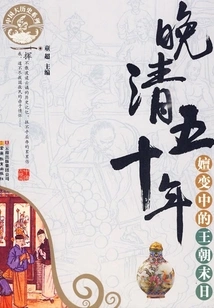
晚清五十年:嬗变中的王朝末日
Tong Chao
In the fifty years of the late Qing Dynasty, in Li Hongzhang's words, there were "changes unprecedented in thousands of years" and faced "powerful enemies unprecedented in thousands of years." This was the prelude to China's rise. New issues, new things, new atmosphere, and new trends of thought began to emerge in the bumps and bumps of the late Qing Dynasty. The fifty years of the late Qing Dynasty were the fifty years of the decline and decline of China's feudal dynasty. Under the influence of internal and external troubles, old ideas, old customs, old systems, and old systems were destroyed by new trends and abandoned in the dust of history.
In the fifty years of the late Qing Dynasty, in Li Hongzhang's words, there were "changes unprecedented in thousands of years" and faced "powerful enemies unprecedented in thousands of years." This was the prelude to China's rise. New issues, new things, new atmosphere, and new trends of thought began to emerge in the bumps and bumps of the late Qing Dynasty. The fifty years of the late Qing Dynasty were the fifty years of the decline and decline of China's feudal dynasty. Under the influence of internal and external troubles, old ideas, old customs, old systems, and old systems were destroyed by new trends and abandoned in the dust of history.
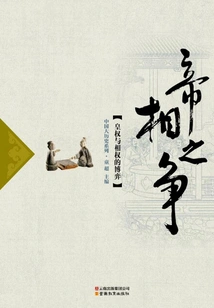
帝相之争:皇权与相权的博奕
Tong Chao
Open the scroll of history, and there is a story hidden behind every piece of history. This story contains joy and sorrow, pain and joy. The emperor has supreme power and has been in a high position "above ten thousand people" since ancient times; the prime minister is the emperor's subordinate minister, leads hundreds of officials, assists the emperor in governing the country, and is in a position of "below one person and above ten thousand people".
Open the scroll of history, and there is a story hidden behind every piece of history. This story contains joy and sorrow, pain and joy. The emperor has supreme power and has been in a high position "above ten thousand people" since ancient times; the prime minister is the emperor's subordinate minister, leads hundreds of officials, assists the emperor in governing the country, and is in a position of "below one person and above ten thousand people".
Struggle for Hegemony in the Spring and Autumn Period: the Zunwang's Banners Compete for Supremacy
History春秋争霸:尊王旗下争雄长
Tong Chao
The entire Spring and Autumn Period was a chaotic and turbulent era in Chinese history. The Zhou Dynasty moved eastward, and Wang Gang released the new crown prince. Ritual and music conquests came from the princes. Thirty-six kings were killed and fifty-two were destroyed. The five hegemons succeeded, respected the king and fought against the barbarians; the heroes stood side by side and raised their troops to fight fiercely. However, it was during this era that China's cultural and ideological development reached a new peak, with hundreds of flowers blooming, hundreds of schools of thought contending, talents springing up, and heroes emerging in large numbers. This is a contradictory era, and it is this contradiction that creates the glory of this era.
The entire Spring and Autumn Period was a chaotic and turbulent era in Chinese history. The Zhou Dynasty moved eastward, and Wang Gang released the new crown prince. Ritual and music conquests came from the princes. Thirty-six kings were killed and fifty-two were destroyed. The five hegemons succeeded, respected the king and fought against the barbarians; the heroes stood side by side and raised their troops to fight fiercely. However, it was during this era that China's cultural and ideological development reached a new peak, with hundreds of flowers blooming, hundreds of schools of thought contending, talents springing up, and heroes emerging in large numbers. This is a contradictory era, and it is this contradiction that creates the glory of this era.
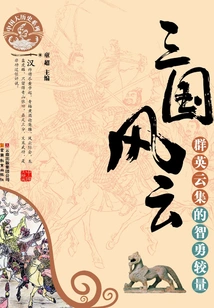
三国风云:群英云集的智勇较量
Tong Chao
The Three Kingdoms era was a time of great changes and great talents emerged in large numbers. This era actually began with the Yellow Turban Uprising at the end of the Eastern Han Dynasty. After that, various warlords divided states and counties and supported their own troops. Cao Cao threatened the emperor to disobey his subjects, Sun Quan separatized Jiangdong, and Liu Bei took control of Yizhou. After the Battle of Chibi, a three-legged situation was formed. In this era, talents in all fields can be described as a blowout. In the troubled times, not only politicians and military strategists such as Cao Cao, Liu Bei, Sun Quan, Zhou Yu, and Zhuge Liang emerged, but also outstanding talents such as Zhao Yun, Zhang Liao, Le Jin, Jiang Wei, and Deng Ai emerged; in science and technology, there were Ma Jun, Liu Wei, Hua Tuo, and Zhang Zhongjing; in literature and art, there were San Cao, the Seven Sons of Jian'an, etc. Times create heroes, and heroes create times. Talents from all walks of life met, battled wits and courage, and jointly wrote the magnificent Three Kingdoms era in Chinese history.
The Three Kingdoms era was a time of great changes and great talents emerged in large numbers. This era actually began with the Yellow Turban Uprising at the end of the Eastern Han Dynasty. After that, various warlords divided states and counties and supported their own troops. Cao Cao threatened the emperor to disobey his subjects, Sun Quan separatized Jiangdong, and Liu Bei took control of Yizhou. After the Battle of Chibi, a three-legged situation was formed. In this era, talents in all fields can be described as a blowout. In the troubled times, not only politicians and military strategists such as Cao Cao, Liu Bei, Sun Quan, Zhou Yu, and Zhuge Liang emerged, but also outstanding talents such as Zhao Yun, Zhang Liao, Le Jin, Jiang Wei, and Deng Ai emerged; in science and technology, there were Ma Jun, Liu Wei, Hua Tuo, and Zhang Zhongjing; in literature and art, there were San Cao, the Seven Sons of Jian'an, etc. Times create heroes, and heroes create times. Talents from all walks of life met, battled wits and courage, and jointly wrote the magnificent Three Kingdoms era in Chinese history.
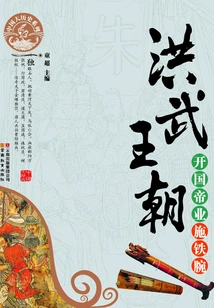
洪武王朝:开国帝业施铁腕
Tong Chao
Whether they are heroes who have emerged from the vicissitudes of life, or dynasties that have risen and fallen in thrilling turns, they have all been buried in the sand of history, leaving only lingering sounds that sing slowly in the faltering years. Among them is such a legendary hero. He made his fortune in Huaiyang commoners, created a new dynasty in the cracks of history, and used his politician's strategy and style to push this dynasty to its peak era. This dynasty was the Hongwu Dynasty.
Whether they are heroes who have emerged from the vicissitudes of life, or dynasties that have risen and fallen in thrilling turns, they have all been buried in the sand of history, leaving only lingering sounds that sing slowly in the faltering years. Among them is such a legendary hero. He made his fortune in Huaiyang commoners, created a new dynasty in the cracks of history, and used his politician's strategy and style to push this dynasty to its peak era. This dynasty was the Hongwu Dynasty.
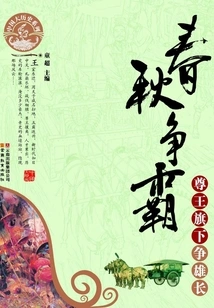
Struggle for Hegemony in the Spring and Autumn Period: the Zunwang's Banners Compete for Supremacy
History春秋争霸:尊王旗下争雄长
Tong Chao
A history of the Spring and Autumn Period begins with the migration of King Ping to the east and ends with the division of the three families into the Jin Dynasty. The history of more than two hundred years has been filled with too many wars, palace intrigues, and brotherly feuds... But this era of broken etiquette and thunderous cauldrons is also an era of cultural explosion and contention of a hundred schools of thought, an era full of heroism and strong enterprising spirit. The Spring and Autumn Period can be described as the "Axial Age" in the history of Chinese civilization, producing an inexhaustible feast of ideas and wisdom for future generations to enjoy.
A history of the Spring and Autumn Period begins with the migration of King Ping to the east and ends with the division of the three families into the Jin Dynasty. The history of more than two hundred years has been filled with too many wars, palace intrigues, and brotherly feuds... But this era of broken etiquette and thunderous cauldrons is also an era of cultural explosion and contention of a hundred schools of thought, an era full of heroism and strong enterprising spirit. The Spring and Autumn Period can be described as the "Axial Age" in the history of Chinese civilization, producing an inexhaustible feast of ideas and wisdom for future generations to enjoy.
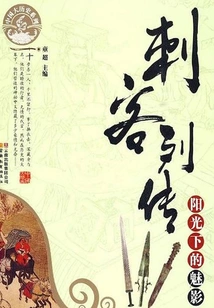
刺客列传:阳光下的魅影
Tong Chao
They always appear alone, but they can create a chilling atmosphere that is better than thousands of troops; their actions are only in an instant, but they often require careful and meticulous planning; their goals may be thousands of miles apart, but their methods are the same; they hide behind the political situation, but they often have the power to rewrite history and influence the world. They have a common, mysterious name - Assassin.
They always appear alone, but they can create a chilling atmosphere that is better than thousands of troops; their actions are only in an instant, but they often require careful and meticulous planning; their goals may be thousands of miles apart, but their methods are the same; they hide behind the political situation, but they often have the power to rewrite history and influence the world. They have a common, mysterious name - Assassin.
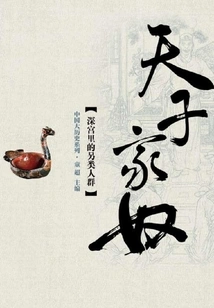
天子家奴:深宫里的另类人群
Tong Chao
This book selects and introduces many representative eunuchs from the Spring and Autumn Period to the end of the Qing Dynasty. It follows the principles of clear praise and criticism and objective commentary. It strives to use rich and detailed historical materials and vivid writing to show readers a picture of ancient Chinese eunuchs with different shapes and spirits. Let's go back to the confusing palace together, lift the veil of history, and explore those mysterious anecdotes of the past.
This book selects and introduces many representative eunuchs from the Spring and Autumn Period to the end of the Qing Dynasty. It follows the principles of clear praise and criticism and objective commentary. It strives to use rich and detailed historical materials and vivid writing to show readers a picture of ancient Chinese eunuchs with different shapes and spirits. Let's go back to the confusing palace together, lift the veil of history, and explore those mysterious anecdotes of the past.
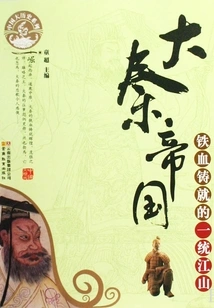
大秦帝国:铁血铸就的一统江山
Tong Chao
As an empire where the spirit of the times gathered, the Qin Empire concentratedly embodied the strong survival spirit of the Chinese nation in that era. The reason why the entire civilization system of the Chinese nation can stretch like a rushing river is that the strong survival tradition established during the Qin Empire played a decisive role. The Qin Empire emerged from a fierce competition among great powers, and its tolerance embodies the vigorous, simple, innovative and realistic spirit of that era. She advocated the rule of law, made radical changes, worked hard to build, and unified government orders. After more than 160 years and six generations of leaders' unswerving pursuit, she completed the greatest imperial revolution, established a powerful and unified empire, created a new era of iron civilization, and completed a great historical transformation of Chinese agricultural civilization.
As an empire where the spirit of the times gathered, the Qin Empire concentratedly embodied the strong survival spirit of the Chinese nation in that era. The reason why the entire civilization system of the Chinese nation can stretch like a rushing river is that the strong survival tradition established during the Qin Empire played a decisive role. The Qin Empire emerged from a fierce competition among great powers, and its tolerance embodies the vigorous, simple, innovative and realistic spirit of that era. She advocated the rule of law, made radical changes, worked hard to build, and unified government orders. After more than 160 years and six generations of leaders' unswerving pursuit, she completed the greatest imperial revolution, established a powerful and unified empire, created a new era of iron civilization, and completed a great historical transformation of Chinese agricultural civilization.
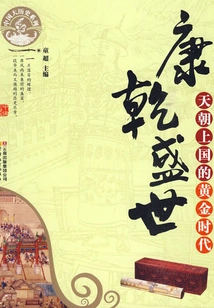
康乾盛世:天朝上国的黄金时代
Tong Chao
With the grace of the years, through the smoke and dust of history, a magnificent and magnificent picture slowly unfolds... The three dynasties of Kangxi, Yongzheng, and Qianlong for more than a hundred years used strong national power to create a prosperous market and a prosperous culture, radiating a magnificent light. The golden age of the Celestial Kingdom has arrived. This is an era of economic boom, an era of talent emerging in large numbers, an era of cultural explosion, and an era that triggers the endless imagination of future generations.
With the grace of the years, through the smoke and dust of history, a magnificent and magnificent picture slowly unfolds... The three dynasties of Kangxi, Yongzheng, and Qianlong for more than a hundred years used strong national power to create a prosperous market and a prosperous culture, radiating a magnificent light. The golden age of the Celestial Kingdom has arrived. This is an era of economic boom, an era of talent emerging in large numbers, an era of cultural explosion, and an era that triggers the endless imagination of future generations.