Library
Browse and search books
1 novel found
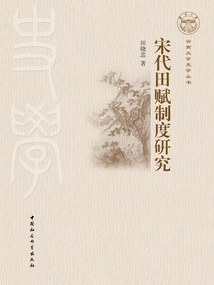
宋代田赋制度研究
Tian Xiaozhong
This book is a research work that re-examines the land tax system in the Song Dynasty. This book believes that as a formal national taxation system, the real land tax was finally established in the Song Dynasty. Through two large-scale land and soil surveys and measurements, the Song Dynasty completed the registration of relatively complete land information nationwide for the first time, thereby establishing a land tax system that used land and soil as the actual object and basis for tax collection. Along with this, the previous national unified tax rate was replaced by a graded tax rate determined based on the soil color, soil quality, height, and height of the land, which also promoted the rationalization of the land tax system. The land tax collection process has also become more stringent during the gradual improvement of the land tax system, and has promoted the forward development of the land tax system. The land tax system of various dynasties after the Song Dynasty was basically inherited and appropriated from the Song Dynasty. The additional tax on land tax and the burden on farmers in the Song Dynasty is another important issue comprehensively examined in this book. To sum up, the heavy land tax surcharge in the Song Dynasty was caused by the contradiction between the expansion of national fiscal demand and the original amount of land tax on the one hand, and it was also related to the over-centralization of the national fiscal distribution system in the Song Dynasty.
This book is a research work that re-examines the land tax system in the Song Dynasty. This book believes that as a formal national taxation system, the real land tax was finally established in the Song Dynasty. Through two large-scale land and soil surveys and measurements, the Song Dynasty completed the registration of relatively complete land information nationwide for the first time, thereby establishing a land tax system that used land and soil as the actual object and basis for tax collection. Along with this, the previous national unified tax rate was replaced by a graded tax rate determined based on the soil color, soil quality, height, and height of the land, which also promoted the rationalization of the land tax system. The land tax collection process has also become more stringent during the gradual improvement of the land tax system, and has promoted the forward development of the land tax system. The land tax system of various dynasties after the Song Dynasty was basically inherited and appropriated from the Song Dynasty. The additional tax on land tax and the burden on farmers in the Song Dynasty is another important issue comprehensively examined in this book. To sum up, the heavy land tax surcharge in the Song Dynasty was caused by the contradiction between the expansion of national fiscal demand and the original amount of land tax on the one hand, and it was also related to the over-centralization of the national fiscal distribution system in the Song Dynasty.