Library
Browse and search books
1 novel found
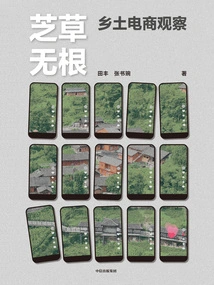
芝草无根:乡土电商观察
Tian Feng Zhang Shuwan
"Zhi Cao Wu Root" takes the changes in Guizhou's rural life in the digital age as its theme, and uses a moist and silent writing method of daily life to show the modernization process of rural life in China that is different from Western society in its leap-forward development. "Chicao Without Roots" also reveals the difficult development process of Guizhou's rural areas with delicate brushstrokes. It is the yearning for a better life that has never been extinguished in people's hearts that inspires and drives people to go out of the mountains. The villagers organized themselves to raise labor and funds to build roads and provide electricity, so that people in the mountains can go out and work hard to obtain better income and living standards. However, the result of people moving out of the mountains has also brought about the loss of rural population and the decline of life. This has formed a difficult issue: How can rural shrinkage and rural revitalization coexist? Perhaps digital technology can provide new opportunities for young people in the mountains, allowing them to realize their dreams and values in life without leaving the mountains. As the title of the book implies, "The Roots of Grass" shows how individuals continue to break through various innate limitations in the process of rural development, and allows us to see the possibility of the integration of state power, market power and technological power to jointly promote rural revitalization. For Chinese-style modernization, rural revitalization is a long-term grand strategy that affects the lives of hundreds of millions of people. It requires the continued attention and in-depth investigation and research of more social scholars to provide richer cases and experiences to help find a path to rural modernization with Chinese characteristics.
"Zhi Cao Wu Root" takes the changes in Guizhou's rural life in the digital age as its theme, and uses a moist and silent writing method of daily life to show the modernization process of rural life in China that is different from Western society in its leap-forward development. "Chicao Without Roots" also reveals the difficult development process of Guizhou's rural areas with delicate brushstrokes. It is the yearning for a better life that has never been extinguished in people's hearts that inspires and drives people to go out of the mountains. The villagers organized themselves to raise labor and funds to build roads and provide electricity, so that people in the mountains can go out and work hard to obtain better income and living standards. However, the result of people moving out of the mountains has also brought about the loss of rural population and the decline of life. This has formed a difficult issue: How can rural shrinkage and rural revitalization coexist? Perhaps digital technology can provide new opportunities for young people in the mountains, allowing them to realize their dreams and values in life without leaving the mountains. As the title of the book implies, "The Roots of Grass" shows how individuals continue to break through various innate limitations in the process of rural development, and allows us to see the possibility of the integration of state power, market power and technological power to jointly promote rural revitalization. For Chinese-style modernization, rural revitalization is a long-term grand strategy that affects the lives of hundreds of millions of people. It requires the continued attention and in-depth investigation and research of more social scholars to provide richer cases and experiences to help find a path to rural modernization with Chinese characteristics.