Library
Browse and search books
1 novel found
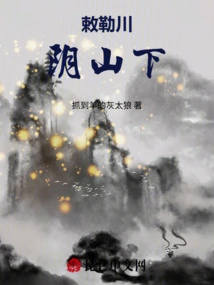
敕勒川,阴山下
The Big Gray Wolf Who Caught The Sheep
During the Zhengguang period, the northern border of the Northern Wei Dynasty was turbulent. In the cold wasteland of Huaishuo Town, Gao Huan, a young man from the Xianbei Han family, emerged in the dust. He was born into a military family and his family was poor. However, with his knowledge of horse trading and traveling among various ethnic groups, and his unyielding character in times of crisis, he got the help of Lou Zhaojun, a noble girl from Xianbei, and broke away from the shackles of the lower class. Beacon fires burned across the six towns in the northern Xinjiang, and the old order collapsed. Gao Huan moved under the command of the rebels and the powerful official Erzhu Rong, accumulating strength in the mountains of corpses and seas of blood, and dormant in suspicion and conspiracy. He is good at controlling people's hearts and can gather old tribes from six towns; he is wise and resourceful and dares to compete with Yu Wentai in the Central Plains. From a soldier in a border town to a powerful official in the Eastern Wei Dynasty, he balanced the Xianbei nobles and the powerful Han people, appeased the Chile tribes, and supported half of the country in troubled times. The Battle of Hanling Mountain established the foundation of Hebei Province. Under the Jade Wall City, it was difficult to fulfill one's ambitions. The sound of "Chile Song" hid the longing for peace. He is a powerful figure in the political arena and a traveler in the current of the times. He is struggling between "usurping Wei" and "anbang", and is ups and downs in the dream of unification and the reality of troubled times. The wind under the Yinshan Mountain blows through the grassland of Chilechuan, carrying the reverberation of the golden sword and iron horse, and also carrying the melancholy of the hero's end. This novel takes Gao Huan's life trajectory as the axis, unfolds a magnificent picture of the confrontation between the Southern and Northern Dynasties, writes about the game of power and morality, and the pain of ethnic integration, and freezes the majesty and desolation of an era.
During the Zhengguang period, the northern border of the Northern Wei Dynasty was turbulent. In the cold wasteland of Huaishuo Town, Gao Huan, a young man from the Xianbei Han family, emerged in the dust. He was born into a military family and his family was poor. However, with his knowledge of horse trading and traveling among various ethnic groups, and his unyielding character in times of crisis, he got the help of Lou Zhaojun, a noble girl from Xianbei, and broke away from the shackles of the lower class. Beacon fires burned across the six towns in the northern Xinjiang, and the old order collapsed. Gao Huan moved under the command of the rebels and the powerful official Erzhu Rong, accumulating strength in the mountains of corpses and seas of blood, and dormant in suspicion and conspiracy. He is good at controlling people's hearts and can gather old tribes from six towns; he is wise and resourceful and dares to compete with Yu Wentai in the Central Plains. From a soldier in a border town to a powerful official in the Eastern Wei Dynasty, he balanced the Xianbei nobles and the powerful Han people, appeased the Chile tribes, and supported half of the country in troubled times. The Battle of Hanling Mountain established the foundation of Hebei Province. Under the Jade Wall City, it was difficult to fulfill one's ambitions. The sound of "Chile Song" hid the longing for peace. He is a powerful figure in the political arena and a traveler in the current of the times. He is struggling between "usurping Wei" and "anbang", and is ups and downs in the dream of unification and the reality of troubled times. The wind under the Yinshan Mountain blows through the grassland of Chilechuan, carrying the reverberation of the golden sword and iron horse, and also carrying the melancholy of the hero's end. This novel takes Gao Huan's life trajectory as the axis, unfolds a magnificent picture of the confrontation between the Southern and Northern Dynasties, writes about the game of power and morality, and the pain of ethnic integration, and freezes the majesty and desolation of an era.