Library
Browse and search books
7 novels found
Find the Source of the Stream
Literature寻找溪水的源头
Tang Yijie
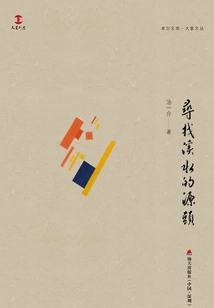
The book is divided into five series: the first series is about remembering ancestors and parents and recalling the little joy of family life in youth. Chapters such as "Reading Three Official Documents of Grandfather Yu", "My Father Tang Yongtong", "Three Letters from My Father to Me" and "Remembering My Mother" are all written in a simple style and with affectionate pen and ink. The second volume recalls the initial questioning of the question "where do people come from" in childhood, and touches on the issue of death prematurely due to the early death of the eldest sister, praying that the lost relatives can regenerate like flowers and plants. Ji San recalled his life-long academic experience, from reading Mr. Qian Mu's "Outline of National History" in middle school, listening to his father reciting "Ode to the South of the Yangtze River" and feeling the sentiments of the scholar's family and country, to being admitted to the preparatory class of Peking University, from the beach to Yanyuan, and becoming associated with Peking University and philosophy throughout his life. The fourth volume explores the concepts of heaven and emperor in traditional Chinese thought, as well as the foundation on which Confucian sages have settled down for generations. The fifth volume commemorates senior scholars such as Fei Ming, Zhou Yiliang, Feng Youlan, etc. It is a picturesque experience.
The book is divided into five series: the first series is about remembering ancestors and parents and recalling the little joy of family life in youth. Chapters such as "Reading Three Official Documents of Grandfather Yu", "My Father Tang Yongtong", "Three Letters from My Father to Me" and "Remembering My Mother" are all written in a simple style and with affectionate pen and ink. The second volume recalls the initial questioning of the question "where do people come from" in childhood, and touches on the issue of death prematurely due to the early death of the eldest sister, praying that the lost relatives can regenerate like flowers and plants. Ji San recalled his life-long academic experience, from reading Mr. Qian Mu's "Outline of National History" in middle school, listening to his father reciting "Ode to the South of the Yangtze River" and feeling the sentiments of the scholar's family and country, to being admitted to the preparatory class of Peking University, from the beach to Yanyuan, and becoming associated with Peking University and philosophy throughout his life. The fourth volume explores the concepts of heaven and emperor in traditional Chinese thought, as well as the foundation on which Confucian sages have settled down for generations. The fifth volume commemorates senior scholars such as Fei Ming, Zhou Yiliang, Feng Youlan, etc. It is a picturesque experience.
Collection of Essays by Tang Yijie
Literature汤一介散文集
Tang Yijie
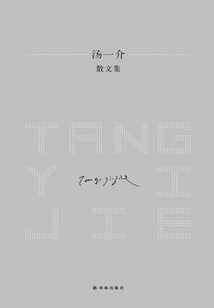
"Tang Yijie's Prose Collection" selects Mr. Tang Yijie's prose works over the years, including essays on recalling the past, traditional and modern cultural comments, and philosophical interpretations of Laozi, the Heart Sutra, and Shishuo Xinyu, etc. It is a concrete and microcosm of Mr. Tang's academic career. It is also a convenient way to understand the philosophical thoughts of Confucianism, Buddhism, and Taoism as well as the tortuous and rich intellectual history of modern China.
"Tang Yijie's Prose Collection" selects Mr. Tang Yijie's prose works over the years, including essays on recalling the past, traditional and modern cultural comments, and philosophical interpretations of Laozi, the Heart Sutra, and Shishuo Xinyu, etc. It is a concrete and microcosm of Mr. Tang's academic career. It is also a convenient way to understand the philosophical thoughts of Confucianism, Buddhism, and Taoism as well as the tortuous and rich intellectual history of modern China.
中华人文精神读本(珍藏版)下
Tang Yijie
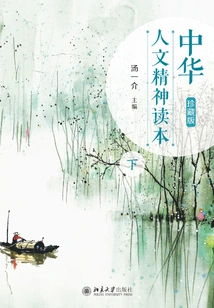
Mr. Tang Yijie said: "What exactly is the humanistic spirit of our nation? Confucius said: 'If you don't cultivate virtue, if you don't learn it, if you don't learn it, you can't move after hearing it, and if you don't change it, that's what worries me.' We must be moral and knowledgeable, make our behavior consistent with morality, and have the courage to correct our mistakes. This is the humanistic spirit. In a word, we learn to 'be a human being'." The topic of "Erudition" carefully selects nine topics that have had a profound impact on China for thousands of years and are still of great concern today (understanding of heaven and earth, understanding of people, relationship between heaven and man, ecological concepts, historical sentiments, enterprising spirit, invention and innovation, ancient festivals, ancient art), and are presented to readers in the form of "classic original texts + interpretations". The original texts come from important Chinese cultural classics, such as "Zuo Zhuan", "Laozi", "The Analects of Confucius", "Mencius", "Book of Rites", "Historical Records", etc. These famous sentences that carry the core values of the nation are profound in meaning and catchy, allowing children to be edified while reading them. In order to make it easier for readers to understand, each topic is also explained with many vivid short stories, reflecting the time-honored value of ancient thoughts and their inspiration to people today. The first edition of this book was selected into the 100 excellent books recommended by the General Administration of Press and Publication to teenagers across the country. It was highlighted by CCTV News Network and was jointly recommended by the Propaganda Department of the Central Committee of the Communist Party of China, the Ministry of Education, and the Central Committee of the Communist Youth League. The copyright of traditional Chinese characters is exported to Hong Kong.
Mr. Tang Yijie said: "What exactly is the humanistic spirit of our nation? Confucius said: 'If you don't cultivate virtue, if you don't learn it, if you don't learn it, you can't move after hearing it, and if you don't change it, that's what worries me.' We must be moral and knowledgeable, make our behavior consistent with morality, and have the courage to correct our mistakes. This is the humanistic spirit. In a word, we learn to 'be a human being'." The topic of "Erudition" carefully selects nine topics that have had a profound impact on China for thousands of years and are still of great concern today (understanding of heaven and earth, understanding of people, relationship between heaven and man, ecological concepts, historical sentiments, enterprising spirit, invention and innovation, ancient festivals, ancient art), and are presented to readers in the form of "classic original texts + interpretations". The original texts come from important Chinese cultural classics, such as "Zuo Zhuan", "Laozi", "The Analects of Confucius", "Mencius", "Book of Rites", "Historical Records", etc. These famous sentences that carry the core values of the nation are profound in meaning and catchy, allowing children to be edified while reading them. In order to make it easier for readers to understand, each topic is also explained with many vivid short stories, reflecting the time-honored value of ancient thoughts and their inspiration to people today. The first edition of this book was selected into the 100 excellent books recommended by the General Administration of Press and Publication to teenagers across the country. It was highlighted by CCTV News Network and was jointly recommended by the Propaganda Department of the Central Committee of the Communist Party of China, the Ministry of Education, and the Central Committee of the Communist Youth League. The copyright of traditional Chinese characters is exported to Hong Kong.
有话要说:序跋和致辞(汤一介集)
Tang Yijie
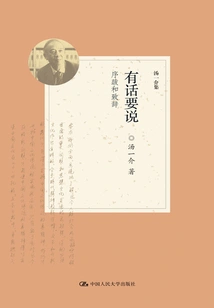
This book includes prefaces and postscripts written by the author for himself and others, as well as speeches given at some conferences. It is what the author has to say in a specific situation, showing the author's unique perspective and thinking on many issues.
This book includes prefaces and postscripts written by the author for himself and others, as well as speeches given at some conferences. It is what the author has to say in a specific situation, showing the author's unique perspective and thinking on many issues.
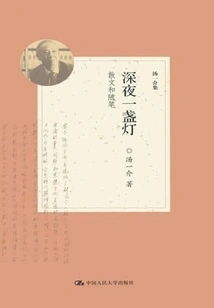
深夜一盏灯:散文和随笔(汤一介集)
Tang Yijie
Mr. Tang Yijie (1927-2014), a native of Huangmei County, Hubei Province, was born in Tianjin. Famous contemporary philosopher, historian of philosophy, thinker, educator and social activist. He graduated from the Philosophy Department of Peking University in 1951 and has been teaching in the Philosophy Department of Peking University since 1956. He has founded academic research institutions such as the Chinese Culture Academy, the Institute of Chinese Philosophy and Culture at Peking University, the Sanzhi Culture Academy, and the Shichahai Academy. His representative works include "Guo Xiang and Metaphysics of Wei and Jin Dynasties", "History of Early Taoism", "Buddhism and Chinese Culture", etc. Most of his works and papers have been collected and published in the ten-volume "Tang Yijie Collection". He is the editor-in-chief of "The Complete Works of Tang Yongtong", "The History of the Spread of Western Philosophy to the East in the 20th Century", the nine-volume "History of Chinese Confucianism" (co-editor with Li Zhonghua), the 11-volume "History of Chinese Buddhism" (co-editor with Ji Xianlin) and other works. In his seventies, he presided over the compilation of the large-scale cultural project "Ru Zang" (Essential Edition), making significant contributions to the revival of Chinese traditional culture and the rise of modern Chinese academics.
Mr. Tang Yijie (1927-2014), a native of Huangmei County, Hubei Province, was born in Tianjin. Famous contemporary philosopher, historian of philosophy, thinker, educator and social activist. He graduated from the Philosophy Department of Peking University in 1951 and has been teaching in the Philosophy Department of Peking University since 1956. He has founded academic research institutions such as the Chinese Culture Academy, the Institute of Chinese Philosophy and Culture at Peking University, the Sanzhi Culture Academy, and the Shichahai Academy. His representative works include "Guo Xiang and Metaphysics of Wei and Jin Dynasties", "History of Early Taoism", "Buddhism and Chinese Culture", etc. Most of his works and papers have been collected and published in the ten-volume "Tang Yijie Collection". He is the editor-in-chief of "The Complete Works of Tang Yongtong", "The History of the Spread of Western Philosophy to the East in the 20th Century", the nine-volume "History of Chinese Confucianism" (co-editor with Li Zhonghua), the 11-volume "History of Chinese Buddhism" (co-editor with Ji Xianlin) and other works. In his seventies, he presided over the compilation of the large-scale cultural project "Ru Zang" (Essential Edition), making significant contributions to the revival of Chinese traditional culture and the rise of modern Chinese academics.
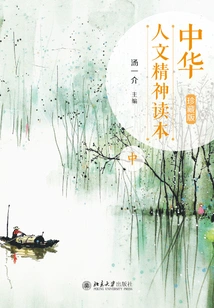
中华人文精神读本(珍藏版)中
Tang Yijie
Mr. Tang Yijie said: "What exactly is the humanistic spirit of our nation? Confucius said: 'If you do not cultivate virtue, you will not learn it, you will not be able to move after hearing the righteousness, and you will not be able to change your bad deeds. This is my worry.' We must be moral and knowledgeable, make our actions moral, and have the courage to correct our mistakes. This is the humanistic spirit. In a word, learning Know how to 'be a human being.'" This book focuses on the topic of "being in the world" and carefully selects nine themes (loving the people, trustworthiness, harmony, etiquette, gratitude, friendship, farewell, homesickness, and patriotism) that have had a profound impact on China for thousands of years and are still of great concern today, and present them to readers in the form of "classic original texts + interpretations." The original texts come from important Chinese cultural classics, such as "Zuo Zhuan", "Laozi", "The Analects of Confucius", "Mencius", "Book of Rites", "Historical Records", etc. These famous sentences that carry the core values of the nation are profound in meaning and catchy, allowing children to be edified while reading them. In order to make it easier for readers to understand, each topic is also explained with many vivid short stories, reflecting the time-honored value of ancient thoughts and their inspiration to people today. The first edition of this book was selected into the 100 excellent books recommended by the General Administration of Press and Publication to teenagers across the country. It was highlighted by CCTV News Network and was jointly recommended by the Propaganda Department of the Central Committee of the Communist Party of China, the Ministry of Education, and the Central Committee of the Communist Youth League. The copyright of traditional Chinese characters is exported to Hong Kong.
Mr. Tang Yijie said: "What exactly is the humanistic spirit of our nation? Confucius said: 'If you do not cultivate virtue, you will not learn it, you will not be able to move after hearing the righteousness, and you will not be able to change your bad deeds. This is my worry.' We must be moral and knowledgeable, make our actions moral, and have the courage to correct our mistakes. This is the humanistic spirit. In a word, learning Know how to 'be a human being.'" This book focuses on the topic of "being in the world" and carefully selects nine themes (loving the people, trustworthiness, harmony, etiquette, gratitude, friendship, farewell, homesickness, and patriotism) that have had a profound impact on China for thousands of years and are still of great concern today, and present them to readers in the form of "classic original texts + interpretations." The original texts come from important Chinese cultural classics, such as "Zuo Zhuan", "Laozi", "The Analects of Confucius", "Mencius", "Book of Rites", "Historical Records", etc. These famous sentences that carry the core values of the nation are profound in meaning and catchy, allowing children to be edified while reading them. In order to make it easier for readers to understand, each topic is also explained with many vivid short stories, reflecting the time-honored value of ancient thoughts and their inspiration to people today. The first edition of this book was selected into the 100 excellent books recommended by the General Administration of Press and Publication to teenagers across the country. It was highlighted by CCTV News Network and was jointly recommended by the Propaganda Department of the Central Committee of the Communist Party of China, the Ministry of Education, and the Central Committee of the Communist Youth League. The copyright of traditional Chinese characters is exported to Hong Kong.
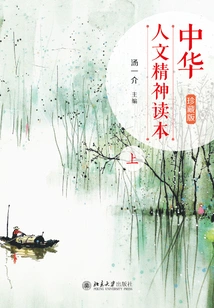
中华人文精神读本(珍藏版)上
Tang Yijie
Mr. Tang Yijie said: "What is the humanistic spirit of our nation? Confucius said: 'If you don't cultivate virtue, if you don't learn it, if you don't learn it, you can't move after hearing it, and if you don't change it, that's my worry.' We must be moral and knowledgeable, make our actions moral, and have the courage to correct our mistakes. This is the humanistic spirit. In a word, learn to 'be a human being' '. "This book focuses on the topic of "self-cultivation" and carefully selects nine themes that have had a profound impact on China for thousands of years and are still of great concern today (benevolence, determination, filial piety and respect for teachers, modesty and prudence, awareness of shame, distinction between justice and benefit, integrity, integrity and frugality, and cherishing time), and are presented to readers in the form of "classic original text + interpretation". The original texts come from important Chinese cultural classics, such as "Zuo Zhuan", "Laozi", "The Analects of Confucius", "Mencius", "Book of Rites", "Historical Records", etc. These famous sentences that carry the core values of the nation are profound in meaning and catchy, allowing children to be edified while reading them. In order to make it easier for readers to understand, each topic is also explained with many vivid short stories, reflecting the time-honored value of ancient thoughts and their inspiration to people today. The first edition of this book was selected into the 100 excellent books recommended by the General Administration of Press and Publication to teenagers across the country. It was highlighted by CCTV News Network and was jointly recommended by the Propaganda Department of the Central Committee of the Communist Party of China, the Ministry of Education, and the Central Committee of the Communist Youth League. The copyright of traditional Chinese characters is exported to Hong Kong.
Mr. Tang Yijie said: "What is the humanistic spirit of our nation? Confucius said: 'If you don't cultivate virtue, if you don't learn it, if you don't learn it, you can't move after hearing it, and if you don't change it, that's my worry.' We must be moral and knowledgeable, make our actions moral, and have the courage to correct our mistakes. This is the humanistic spirit. In a word, learn to 'be a human being' '. "This book focuses on the topic of "self-cultivation" and carefully selects nine themes that have had a profound impact on China for thousands of years and are still of great concern today (benevolence, determination, filial piety and respect for teachers, modesty and prudence, awareness of shame, distinction between justice and benefit, integrity, integrity and frugality, and cherishing time), and are presented to readers in the form of "classic original text + interpretation". The original texts come from important Chinese cultural classics, such as "Zuo Zhuan", "Laozi", "The Analects of Confucius", "Mencius", "Book of Rites", "Historical Records", etc. These famous sentences that carry the core values of the nation are profound in meaning and catchy, allowing children to be edified while reading them. In order to make it easier for readers to understand, each topic is also explained with many vivid short stories, reflecting the time-honored value of ancient thoughts and their inspiration to people today. The first edition of this book was selected into the 100 excellent books recommended by the General Administration of Press and Publication to teenagers across the country. It was highlighted by CCTV News Network and was jointly recommended by the Propaganda Department of the Central Committee of the Communist Party of China, the Ministry of Education, and the Central Committee of the Communist Youth League. The copyright of traditional Chinese characters is exported to Hong Kong.