Library
Browse and search books
1 novel found
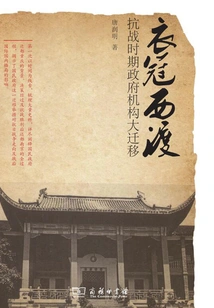
衣冠西渡:抗战时期国民政府大迁移
Tang Runming
During the Anti-Japanese War, the National Government moved the capital to Chongqing, which was a far-reaching move in the modern history of China and the history of the Anti-Japanese War in China. The relocation of the Nationalist Government was not only the relocation of the "capital" in name, but also directly brought about the comprehensive transfer of the economic, political, and cultural centers. Therefore, under the unfavorable conditions of successive defeats on the frontal battlefield in the early days of the war, this relocation objectively bought time and opportunities for repair and development to preserve strength and achieve lasting resistance. On the other hand, the comprehensive transfer of manpower and material resources has also objectively promoted the development of western China. This book uses time as a clue to explain the background of the National Government's move to Chongqing, the decision-making process and the entire process of moving the capital to Chongqing and returning the capital to Nanjing after the victory of the Anti-Japanese War. It also reveals the impact of the National Government's relocation move on the direction of the Anti-Japanese War. The book contains rich historical materials and relatively objective and neutral evaluations. It not only affirms the positive significance of this migration, but also reveals some problems in the decision-making and implementation process of "moving the capital" and "returning the capital" and its potential impact on the post-war domestic economy and culture through comparative data in economic, cultural and other aspects.
During the Anti-Japanese War, the National Government moved the capital to Chongqing, which was a far-reaching move in the modern history of China and the history of the Anti-Japanese War in China. The relocation of the Nationalist Government was not only the relocation of the "capital" in name, but also directly brought about the comprehensive transfer of the economic, political, and cultural centers. Therefore, under the unfavorable conditions of successive defeats on the frontal battlefield in the early days of the war, this relocation objectively bought time and opportunities for repair and development to preserve strength and achieve lasting resistance. On the other hand, the comprehensive transfer of manpower and material resources has also objectively promoted the development of western China. This book uses time as a clue to explain the background of the National Government's move to Chongqing, the decision-making process and the entire process of moving the capital to Chongqing and returning the capital to Nanjing after the victory of the Anti-Japanese War. It also reveals the impact of the National Government's relocation move on the direction of the Anti-Japanese War. The book contains rich historical materials and relatively objective and neutral evaluations. It not only affirms the positive significance of this migration, but also reveals some problems in the decision-making and implementation process of "moving the capital" and "returning the capital" and its potential impact on the post-war domestic economy and culture through comparative data in economic, cultural and other aspects.