Library
Browse and search books
2 novels found
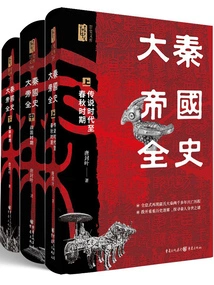
大秦帝国全史
Tang Fengye
An encyclopedia about the Ying family in Qin! This book is divided into three volumes from the Legendary Era to the Spring and Autumn Period, the Warring States Period, and the Qin Dynasty. The content of the book starts from the legendary female cultivator who swallowed eggs and gave birth to a child, Boyi was given the surname Ying, and ended with the demise of the Qin Dynasty and the murder of Ziying. It takes the development of time and the administration and deeds of the Qin kings as the main line, comprehensively integrates handed down historical materials, the latest archaeological documents and research results, and uses rigorous academic methods. With a technical attitude, relaxed and plain language, and more than 100 hand-drawn maps of important battles and activities, the book paints a huge picture of the ups and downs of the Qin people in more than two thousand years, from a tribe to a vassal regime and a vassal state, to the unification of the world and their sudden collapse. This book introduces the politics, military, economy, diplomatic relations, culture and people's lives of the Qin Dynasty and the major vassal states at that time. It also discusses the reasons for the rise and fall of the Qin people. It also provides unique insights into some historical mysteries. It is a popular version of "The Complete History of the Qin Dynasty".
An encyclopedia about the Ying family in Qin! This book is divided into three volumes from the Legendary Era to the Spring and Autumn Period, the Warring States Period, and the Qin Dynasty. The content of the book starts from the legendary female cultivator who swallowed eggs and gave birth to a child, Boyi was given the surname Ying, and ended with the demise of the Qin Dynasty and the murder of Ziying. It takes the development of time and the administration and deeds of the Qin kings as the main line, comprehensively integrates handed down historical materials, the latest archaeological documents and research results, and uses rigorous academic methods. With a technical attitude, relaxed and plain language, and more than 100 hand-drawn maps of important battles and activities, the book paints a huge picture of the ups and downs of the Qin people in more than two thousand years, from a tribe to a vassal regime and a vassal state, to the unification of the world and their sudden collapse. This book introduces the politics, military, economy, diplomatic relations, culture and people's lives of the Qin Dynasty and the major vassal states at that time. It also discusses the reasons for the rise and fall of the Qin people. It also provides unique insights into some historical mysteries. It is a popular version of "The Complete History of the Qin Dynasty".
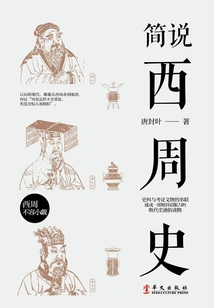
简说西周史
Tang Fengye
"A Brief History of the Western Zhou Dynasty" begins with the birth of Hou Ji, the legendary ancestor of the Zhou people, and ends with King Ping of the Eastern Zhou Dynasty moving his capital to Luoyi. In chronological order, with the Zhou kings as the main line, it comprehensively integrates handed down historical documents and modern paleontology and archaeological results. It uses a rigorous academic attitude, a writing form of narrative, discussion, and textual research, and a relaxed and easy language to introduce the Western Zhou Dynasty. The historical events and character stories of the nearly 300 years of the Zhou Dynasty (including the previous Zhou Dynasty) are organically and skillfully interspersed with the Western Zhou ritual and music system, land system, living customs, language and literature, and relevant important archaeological discoveries in modern times. It comprehensively and multi-anglely restores the ancient history that established the direction of Chinese culture but was rough and hazy due to the lack of documents.
"A Brief History of the Western Zhou Dynasty" begins with the birth of Hou Ji, the legendary ancestor of the Zhou people, and ends with King Ping of the Eastern Zhou Dynasty moving his capital to Luoyi. In chronological order, with the Zhou kings as the main line, it comprehensively integrates handed down historical documents and modern paleontology and archaeological results. It uses a rigorous academic attitude, a writing form of narrative, discussion, and textual research, and a relaxed and easy language to introduce the Western Zhou Dynasty. The historical events and character stories of the nearly 300 years of the Zhou Dynasty (including the previous Zhou Dynasty) are organically and skillfully interspersed with the Western Zhou ritual and music system, land system, living customs, language and literature, and relevant important archaeological discoveries in modern times. It comprehensively and multi-anglely restores the ancient history that established the direction of Chinese culture but was rough and hazy due to the lack of documents.