Library
Browse and search books
1 novel found
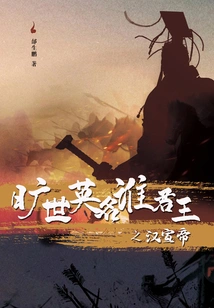
旷世英名谁君王之汉宣帝
Tai Shengpeng
Emperor Xuan of the Han Dynasty Liu Xun (91 BC - 49 BC), whose real name was Liu Bingji and whose courtesy name was Ciqing. The great-grandson of Liu Che, Emperor Wu of the Han Dynasty, and the grandson of Prince Wei Liu Ju, he was the tenth emperor of the Western Han Dynasty and reigned from 74 BC to 49 BC. During the Witchcraft Rebellion, Prince Liu Ju's family was brutally massacred. Liu Xun, who was still an infant at the time, was lucky enough to escape, but was imprisoned and later adopted by his grandmother Shi's family. It was not until Emperor Wu of the Han Dynasty issued an edict to raise him in court that Liu Xun returned to the Han clan's official membership and acquired royal status. After Liu He, the king of Changyi, was deposed in the first year of Yuanping (74 BC), Huo Guang and other ministers welcomed him into the palace from the people. He was first named Marquis of Yangwu. In July of the same year, he ascended the throne and proclaimed himself emperor. In this year, Liu Xun was eighteen years old, and all military and state affairs were entrusted to Huo Guang. After Huo Guang's death, Liu Xunjian eliminated the Huo family, strengthened the centralization of power, worked hard to govern, surrendered the Xiongnu, ruled the Western Regions, and created the first pattern in Chinese history where all nations came to the dynasty. His civil and military skills were comparable to those of Emperor Wu. From then on, the Han Empire climbed to a new peak from the decline in the last years of Emperor Wu, and its territory and national power reached its peak. Emperor Xuan of the Han Dynasty also became one of the few wise monarchs in the Western Han Dynasty with a temple name. He was also the only emperor in Chinese history who suffered in prison before ascending the throne. This book aims to restore a true and full image of a historical figure, and also to let more people understand history and the spirit of our nation. Chinese history and culture have a long history, are extensive and profound. History is the past of a country and a nation, and it is also the basis for the development of a country and a nation. Paying attention to history and getting experiences and lessons from history to guide the present will be of great benefit.
Emperor Xuan of the Han Dynasty Liu Xun (91 BC - 49 BC), whose real name was Liu Bingji and whose courtesy name was Ciqing. The great-grandson of Liu Che, Emperor Wu of the Han Dynasty, and the grandson of Prince Wei Liu Ju, he was the tenth emperor of the Western Han Dynasty and reigned from 74 BC to 49 BC. During the Witchcraft Rebellion, Prince Liu Ju's family was brutally massacred. Liu Xun, who was still an infant at the time, was lucky enough to escape, but was imprisoned and later adopted by his grandmother Shi's family. It was not until Emperor Wu of the Han Dynasty issued an edict to raise him in court that Liu Xun returned to the Han clan's official membership and acquired royal status. After Liu He, the king of Changyi, was deposed in the first year of Yuanping (74 BC), Huo Guang and other ministers welcomed him into the palace from the people. He was first named Marquis of Yangwu. In July of the same year, he ascended the throne and proclaimed himself emperor. In this year, Liu Xun was eighteen years old, and all military and state affairs were entrusted to Huo Guang. After Huo Guang's death, Liu Xunjian eliminated the Huo family, strengthened the centralization of power, worked hard to govern, surrendered the Xiongnu, ruled the Western Regions, and created the first pattern in Chinese history where all nations came to the dynasty. His civil and military skills were comparable to those of Emperor Wu. From then on, the Han Empire climbed to a new peak from the decline in the last years of Emperor Wu, and its territory and national power reached its peak. Emperor Xuan of the Han Dynasty also became one of the few wise monarchs in the Western Han Dynasty with a temple name. He was also the only emperor in Chinese history who suffered in prison before ascending the throne. This book aims to restore a true and full image of a historical figure, and also to let more people understand history and the spirit of our nation. Chinese history and culture have a long history, are extensive and profound. History is the past of a country and a nation, and it is also the basis for the development of a country and a nation. Paying attention to history and getting experiences and lessons from history to guide the present will be of great benefit.