Library
Browse and search books
1 novel found
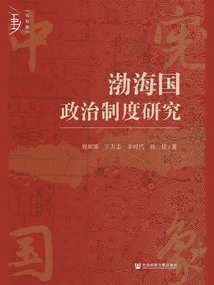
渤海国政治制度研究
Sun Jia Cheng Nina Wang Wanzhi Xin Shidai
The Bohai State was a political power established in the northeastern frontier of the Tang Dynasty with the Mohe people as rulers. This book conducts a systematic and in-depth study of Bohai State's central political system, military system, local political system, Dynasty and Tang Dynasty system, Bohai State's exchange system with Japan as a border government of the Tang Dynasty, and its exchange system with neighboring governments and ethnic groups. In the absence of historical data, we tried our best to exhaust the literature and make full use of the epigraphy, stone inscriptions and archaeological materials unearthed over the years to conduct research. At the same time, we paid attention to collecting and absorbing existing research results from domestic and foreign academic circles such as China, Japan, North Korea, South Korea, and Russia. We conducted a relatively extensive discussion on various viewpoints and strived to get as close as possible to the original appearance of Bohai State's political system. The book contains not only the new viewpoints put forward by the author, but also the discussion and analysis of controversial academic issues in domestic and foreign academic circles. It reflects the author's broader international academic vision and advances the study of Bohai's political system to a new academic research level.
The Bohai State was a political power established in the northeastern frontier of the Tang Dynasty with the Mohe people as rulers. This book conducts a systematic and in-depth study of Bohai State's central political system, military system, local political system, Dynasty and Tang Dynasty system, Bohai State's exchange system with Japan as a border government of the Tang Dynasty, and its exchange system with neighboring governments and ethnic groups. In the absence of historical data, we tried our best to exhaust the literature and make full use of the epigraphy, stone inscriptions and archaeological materials unearthed over the years to conduct research. At the same time, we paid attention to collecting and absorbing existing research results from domestic and foreign academic circles such as China, Japan, North Korea, South Korea, and Russia. We conducted a relatively extensive discussion on various viewpoints and strived to get as close as possible to the original appearance of Bohai State's political system. The book contains not only the new viewpoints put forward by the author, but also the discussion and analysis of controversial academic issues in domestic and foreign academic circles. It reflects the author's broader international academic vision and advances the study of Bohai's political system to a new academic research level.