Library
Browse and search books
1 novel found
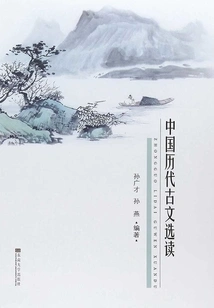
中国历代古文选读
Sun Guangcai
This book selects 150 ancient texts from past dynasties. From Confucius to Liang Qichao, from the Spring and Autumn Period to the late Qing Dynasty, the time span spans more than 2,500 years. The selected ancient texts are all masterpieces by famous writers, and are roughly classified into essays, narratives, and expositions, divided into three parts: upper, middle, and lower. In addition to the original text, each article has three columns: "Author of the Work", "Reading", and "Quotes and Warnings". The former briefly introduces the basic information of the work and the author; the latter extracts famous lines from the article for readers to recite. The "Reading" column aims to provide a rough guide to help readers understand the meaning of the article. The translation and annotation of this book adopts the method of chapter and sentence annotation, which is different from the popular translation of ancient Chinese works. This kind of annotation is mainly to save readers from having to read the original text, annotations, and translations one after another during reading, and to ensure that it is easy to learn and read.
This book selects 150 ancient texts from past dynasties. From Confucius to Liang Qichao, from the Spring and Autumn Period to the late Qing Dynasty, the time span spans more than 2,500 years. The selected ancient texts are all masterpieces by famous writers, and are roughly classified into essays, narratives, and expositions, divided into three parts: upper, middle, and lower. In addition to the original text, each article has three columns: "Author of the Work", "Reading", and "Quotes and Warnings". The former briefly introduces the basic information of the work and the author; the latter extracts famous lines from the article for readers to recite. The "Reading" column aims to provide a rough guide to help readers understand the meaning of the article. The translation and annotation of this book adopts the method of chapter and sentence annotation, which is different from the popular translation of ancient Chinese works. This kind of annotation is mainly to save readers from having to read the original text, annotations, and translations one after another during reading, and to ensure that it is easy to learn and read.