Library
Browse and search books
1 novel found
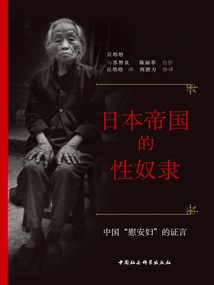
日本帝国的性奴隶:中国“慰安妇”的证言
Su Zhiliang Chen Lifei Qiu Peipei
Through the testimonies of twelve Chinese "comfort women" survivors and rich historical materials and investigation evidence, the book reveals the cruel ravages of many women by the Japanese invading army, and reveals the fact that the Japanese army established comfort stations in an organized and planned way to advance the war of aggression. This book is divided into three parts. The first part, "War Memory," outlines the close connection between Japan's war of aggression against China and the "comfort women" system, the fact that the Japanese army recruited "comfort women" on a large scale, the fact-finding investigation of comfort stations, and the appalling sexual crimes committed under the "comfort women" system. The second part, "Survivor Testimonies," records the oral histories of twelve survivors of the Japanese military comfort stations. The author places individual cases within the macro-background of the war, revealing the cruelty Chinese women suffered during the Japanese invasion of China, as well as the tremendous suffering the war brought to the Chinese nation. The third part, "Pursuing Justice," summarizes the neglect of Japanese military sexual crimes in international war criminal trials after World War II, the living conditions of the "comfort women" victim groups, and the "comfort women" compensation movement in the past two decades. This section provides an in-depth analysis of the legal debate on the issue of "comfort women" claims in the international community. The author has extensively collected relevant first-hand historical materials in Japanese and Japanese, combined with contemporary research results in Chinese, Japanese and English, including investigation reports, local historical records, eyewitness testimonies and many other precious Chinese and Japanese archives, to conduct a comprehensive and rigorous review of the history and current situation of the "comfort women" issue, and to provide an in-depth and detailed account of the suffering experience of Chinese women during Japan's war of aggression, as well as their bumpy road to pursuing justice after the war.
Through the testimonies of twelve Chinese "comfort women" survivors and rich historical materials and investigation evidence, the book reveals the cruel ravages of many women by the Japanese invading army, and reveals the fact that the Japanese army established comfort stations in an organized and planned way to advance the war of aggression. This book is divided into three parts. The first part, "War Memory," outlines the close connection between Japan's war of aggression against China and the "comfort women" system, the fact that the Japanese army recruited "comfort women" on a large scale, the fact-finding investigation of comfort stations, and the appalling sexual crimes committed under the "comfort women" system. The second part, "Survivor Testimonies," records the oral histories of twelve survivors of the Japanese military comfort stations. The author places individual cases within the macro-background of the war, revealing the cruelty Chinese women suffered during the Japanese invasion of China, as well as the tremendous suffering the war brought to the Chinese nation. The third part, "Pursuing Justice," summarizes the neglect of Japanese military sexual crimes in international war criminal trials after World War II, the living conditions of the "comfort women" victim groups, and the "comfort women" compensation movement in the past two decades. This section provides an in-depth analysis of the legal debate on the issue of "comfort women" claims in the international community. The author has extensively collected relevant first-hand historical materials in Japanese and Japanese, combined with contemporary research results in Chinese, Japanese and English, including investigation reports, local historical records, eyewitness testimonies and many other precious Chinese and Japanese archives, to conduct a comprehensive and rigorous review of the history and current situation of the "comfort women" issue, and to provide an in-depth and detailed account of the suffering experience of Chinese women during Japan's war of aggression, as well as their bumpy road to pursuing justice after the war.