Library
Browse and search books
1 novel found
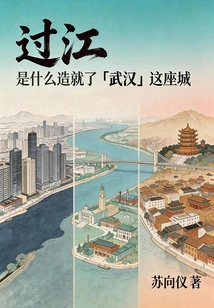
过江:是什么造就了“武汉”这座城
Su Xiangyi
A big city does not grow naturally. It was forged by layers of forces-and Wuhan is the most extreme version of this story. Wuhan is not a city. It is three cities - Wuchang, Hankou, Hanyang - split into three pieces by the Yangtze River and Hanshui River. Each of the three cities lived for hundreds of years: Wuchang was in charge of officials, Hankou was in charge of business, and Hanyang was in charge of iron manufacturing. They can see the other side when they look up every day, but it takes half a day to cross the river, and it is a business trip to cross the river. What screws them together? In the Ming Dynasty, merchants used silver to sew the first stitches. In 1861, foreigners put yoke on the country by treaty. Zhang Zhidong used iron factories and arsenals to weld the three towns to death. The artillery fire of the year of 1911 burned out the first "we". In 1927, the name "Wuhan" was first included in the official document, and then was removed and added again, and it took 22 years of repetition before it was finally finalized. This book talks about the whole process of suturing: who was pushing, who was pulling, and why the words "crossing the river" are still on the lips of Wuhan people to this day.
A big city does not grow naturally. It was forged by layers of forces-and Wuhan is the most extreme version of this story. Wuhan is not a city. It is three cities - Wuchang, Hankou, Hanyang - split into three pieces by the Yangtze River and Hanshui River. Each of the three cities lived for hundreds of years: Wuchang was in charge of officials, Hankou was in charge of business, and Hanyang was in charge of iron manufacturing. They can see the other side when they look up every day, but it takes half a day to cross the river, and it is a business trip to cross the river. What screws them together? In the Ming Dynasty, merchants used silver to sew the first stitches. In 1861, foreigners put yoke on the country by treaty. Zhang Zhidong used iron factories and arsenals to weld the three towns to death. The artillery fire of the year of 1911 burned out the first "we". In 1927, the name "Wuhan" was first included in the official document, and then was removed and added again, and it took 22 years of repetition before it was finally finalized. This book talks about the whole process of suturing: who was pushing, who was pulling, and why the words "crossing the river" are still on the lips of Wuhan people to this day.