Library
Browse and search books
17 novels found
一本书读懂《冰与火之歌》
Su Bai
The world of Westeros constructed with a majestic narrative in "A Song of Ice and Fire" can be called a giant testing ground for power and humanity. This book dismantles this epic masterpiece and analyzes how George R. R. Martin used the Middle Ages as a basis to weave a political fable full of betrayal and intrigue, revealing the alienation of human nature by power. The book focuses on the fate of the Stark family, Daenerys and other core characters, explores the collision of honor, loyalty and cruel reality, and the way for women to break through in a patriarchal society; it also analyzes the metaphorical meaning of the supernatural threat of the White Walkers, and shows the ultimate thinking under the crisis of civilization. In addition, this book also explores the cross-media adaptation controversy from the original work to the series, combines geopolitics and social media public opinion, and explores the profound enlightenment of the work on contemporary society, demonstrating its strong vitality that spans fiction and reality.
The world of Westeros constructed with a majestic narrative in "A Song of Ice and Fire" can be called a giant testing ground for power and humanity. This book dismantles this epic masterpiece and analyzes how George R. R. Martin used the Middle Ages as a basis to weave a political fable full of betrayal and intrigue, revealing the alienation of human nature by power. The book focuses on the fate of the Stark family, Daenerys and other core characters, explores the collision of honor, loyalty and cruel reality, and the way for women to break through in a patriarchal society; it also analyzes the metaphorical meaning of the supernatural threat of the White Walkers, and shows the ultimate thinking under the crisis of civilization. In addition, this book also explores the cross-media adaptation controversy from the original work to the series, combines geopolitics and social media public opinion, and explores the profound enlightenment of the work on contemporary society, demonstrating its strong vitality that spans fiction and reality.

Read "the Outsider" in One Book
Literature一本书读懂《局外人》
Su Bai
This book analyzes the creative context and ideological core of Camus' classic "The Stranger" and decodes its eternal value as a breakthrough work in the spirit of the absurd era. Starting from tracing the birth background of the work, it shows how Camus used words to attack the essence of existence in turbulent times; by dismantling the reality and absurdity under the surface of Meursault's "indifference", it unearths the philosophical implications behind five key details. The book uses Meursault's trial and execution as metaphors to reveal society's discipline of heterogeneous individuals; it interprets the existential codes carried by images such as sunshine and beaches, and analyzes how the conflicts between "outsiders" and "social people" reflect the modern spiritual dilemma. At the same time, the misunderstanding of the work is corrected and the rebellious nature of absurd philosophy is explained. Finally, combined with the contemporary context, the author explores the profound enlightenment of "The Outsider" on modern people facing absurdity and seeking the meaning of existence.
This book analyzes the creative context and ideological core of Camus' classic "The Stranger" and decodes its eternal value as a breakthrough work in the spirit of the absurd era. Starting from tracing the birth background of the work, it shows how Camus used words to attack the essence of existence in turbulent times; by dismantling the reality and absurdity under the surface of Meursault's "indifference", it unearths the philosophical implications behind five key details. The book uses Meursault's trial and execution as metaphors to reveal society's discipline of heterogeneous individuals; it interprets the existential codes carried by images such as sunshine and beaches, and analyzes how the conflicts between "outsiders" and "social people" reflect the modern spiritual dilemma. At the same time, the misunderstanding of the work is corrected and the rebellious nature of absurd philosophy is explained. Finally, combined with the contemporary context, the author explores the profound enlightenment of "The Outsider" on modern people facing absurdity and seeking the meaning of existence.
Read "pride and Prejudice" in One Book
Literature一本书读懂《傲慢与偏见》
Su Bai
This book reveals the classic charm and contemporary value of "Pride and Prejudice" spanning two hundred years from multiple dimensions. By tracing the creative process of Jane Austen, we analyze the birth code of this literary hit; with "Pride" and "Prejudice" as the core, we dismantle the conflicts and dramatic tension of the story, and dig into the emotional logic behind the love game between Elizabeth and Darcy. The book outlines the social picture of 19th century Britain in a delicate way, showing various social classes through the living room, salon and manor life; comparing the marriage and love choices of six couples in the book, it reflects the dilemma of choice between marriage and love of modern people. At the same time, we correct common misunderstandings of the work and explore its hidden feminist ideas. Finally, we explore the underlying reasons why this classic continues to resonate over the years, demonstrating its enduring literary vitality and practical significance.
This book reveals the classic charm and contemporary value of "Pride and Prejudice" spanning two hundred years from multiple dimensions. By tracing the creative process of Jane Austen, we analyze the birth code of this literary hit; with "Pride" and "Prejudice" as the core, we dismantle the conflicts and dramatic tension of the story, and dig into the emotional logic behind the love game between Elizabeth and Darcy. The book outlines the social picture of 19th century Britain in a delicate way, showing various social classes through the living room, salon and manor life; comparing the marriage and love choices of six couples in the book, it reflects the dilemma of choice between marriage and love of modern people. At the same time, we correct common misunderstandings of the work and explore its hidden feminist ideas. Finally, we explore the underlying reasons why this classic continues to resonate over the years, demonstrating its enduring literary vitality and practical significance.
Read "gone with the Wind" in One Book
Literature一本书读懂《飘》
Su Bai
"Gone with the Wind" takes the Civil War as the grand background, creating a literary monument that spans time and space. This book analyzes this legendary work from multiple dimensions, starting from Margaret Mitchell's creation era, and reveals how the fall of Atlanta reflected the dramatic turning point in American history. The book depicts Scarlett's transformation from a delicate girl to a powerful woman in troubled times, showing women's awakening to break through the shackles of tradition; it analyzes Rhett Butler's affection and loneliness under his cynicism, and his pungent criticism of hypocritical aristocrats. Through the metaphor of Tara Manor, it reveals the collapse and reconstruction of civilization carried by land and memory, and deconstructs the dilemma of human nature in complex emotional entanglements. At the same time, it focuses on the trauma caused by the war and social reconstruction, and explores the reshaping of collective memory. Combining contemporary perspectives and from the perspectives of feminism, racial issues, etc., It explains the multiple meanings and eternal value of "Gone with the Wind" that continue to resonate in modern society.
"Gone with the Wind" takes the Civil War as the grand background, creating a literary monument that spans time and space. This book analyzes this legendary work from multiple dimensions, starting from Margaret Mitchell's creation era, and reveals how the fall of Atlanta reflected the dramatic turning point in American history. The book depicts Scarlett's transformation from a delicate girl to a powerful woman in troubled times, showing women's awakening to break through the shackles of tradition; it analyzes Rhett Butler's affection and loneliness under his cynicism, and his pungent criticism of hypocritical aristocrats. Through the metaphor of Tara Manor, it reveals the collapse and reconstruction of civilization carried by land and memory, and deconstructs the dilemma of human nature in complex emotional entanglements. At the same time, it focuses on the trauma caused by the war and social reconstruction, and explores the reshaping of collective memory. Combining contemporary perspectives and from the perspectives of feminism, racial issues, etc., It explains the multiple meanings and eternal value of "Gone with the Wind" that continue to resonate in modern society.
一本书读懂人间失格
Su Bai
This book uses the most controversial classic of decadent aesthetics in the history of Japanese literature as an anatomical sample, and weaves through a century of time and space to weave an ideological map that connects the despair of the Showa era and the spiritual dilemma of Generation Z. This book starts from the dialectic of life and death of Dazai Osamu's five suicides, and analyzes the hidden truth behind the collapse of the post-war world and the alienation of human nature behind Ye Zang's alcoholism, self-destruction, and acting ugly to please others. By tracing the redemption metaphors carried by female characters such as Ryoko and Shizuko, we reveal the paradox of the survival of purity in a dirty world, and compare it with the current youth subculture phenomena such as flat culture, virtual idols, and cyber dependence to decode the underlying logic of "mourning aesthetics" becoming a global spiritual totem. The original "seven spiritual anchors" theory in the book sublimates the careful reading of the text into a survival philosophy guide, guiding readers to plant wild chrysanthemums in the ruins, build a spiritual island in the torrent of data, use vulnerability as a shield to pierce the mask of hypocrisy, and finally salvage the starlight against nothingness in the reflection of the Tamagawa River where Dazai Osamu drowned. This cross-border work that spans literary criticism and social observation is not only a profound tribute to the literary spirit of Showa, but also a survival apocalypse customized for the digital nomad generation.
This book uses the most controversial classic of decadent aesthetics in the history of Japanese literature as an anatomical sample, and weaves through a century of time and space to weave an ideological map that connects the despair of the Showa era and the spiritual dilemma of Generation Z. This book starts from the dialectic of life and death of Dazai Osamu's five suicides, and analyzes the hidden truth behind the collapse of the post-war world and the alienation of human nature behind Ye Zang's alcoholism, self-destruction, and acting ugly to please others. By tracing the redemption metaphors carried by female characters such as Ryoko and Shizuko, we reveal the paradox of the survival of purity in a dirty world, and compare it with the current youth subculture phenomena such as flat culture, virtual idols, and cyber dependence to decode the underlying logic of "mourning aesthetics" becoming a global spiritual totem. The original "seven spiritual anchors" theory in the book sublimates the careful reading of the text into a survival philosophy guide, guiding readers to plant wild chrysanthemums in the ruins, build a spiritual island in the torrent of data, use vulnerability as a shield to pierce the mask of hypocrisy, and finally salvage the starlight against nothingness in the reflection of the Tamagawa River where Dazai Osamu drowned. This cross-border work that spans literary criticism and social observation is not only a profound tribute to the literary spirit of Showa, but also a survival apocalypse customized for the digital nomad generation.
一本书读懂百年孤独
Su Bai
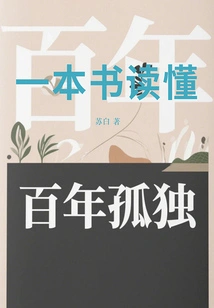
This book takes García Márquez's "One Hundred Years of Solitude" as the core, and through in-depth analysis, uncovers the layers of this masterpiece of magical realism. From the fateful reincarnation of seven generations of the Buendia family to the century-old rise and fall of the small town of Macondo, the book uses "loneliness" as the key to decode the collective trauma of Latin America eroded by colonial violence, civil war, and capital. Through chapters such as "Time Wrinkles," "Poison Ivy of Power," and "Literary Nuclear Explosion," it analyzes how Marquez weaved a time and space wormhole with images such as ice cubes, yellow butterflies, and parchments, sublimating the family epic into an allegory of the fate of the Latin American continent. The book contains sharp criticism of the banana company as a metaphor for neo-colonial exploitation, as well as philosophical speculation on classic scenes such as Colonel Aureliano's melting of a little goldfish and Úrsula's blindness in raising flowers. It reveals that loneliness is both a shackles of human nature and a spiritual armor against alienation. Combining a global perspective, this book traces the inspiration of "One Hundred Years of Solitude" to Chinese literature and even the digital age, showing how Marquez's narrative magic penetrates the page and continues to fission in the genes of contemporary civilization. The maze of texts intertwined with magic and reality ultimately leads to an ultimate question: When the hurricane wipes out Macondo, how can we salvage the untamed light of humanity in the ashes of memory?
This book takes García Márquez's "One Hundred Years of Solitude" as the core, and through in-depth analysis, uncovers the layers of this masterpiece of magical realism. From the fateful reincarnation of seven generations of the Buendia family to the century-old rise and fall of the small town of Macondo, the book uses "loneliness" as the key to decode the collective trauma of Latin America eroded by colonial violence, civil war, and capital. Through chapters such as "Time Wrinkles," "Poison Ivy of Power," and "Literary Nuclear Explosion," it analyzes how Marquez weaved a time and space wormhole with images such as ice cubes, yellow butterflies, and parchments, sublimating the family epic into an allegory of the fate of the Latin American continent. The book contains sharp criticism of the banana company as a metaphor for neo-colonial exploitation, as well as philosophical speculation on classic scenes such as Colonel Aureliano's melting of a little goldfish and Úrsula's blindness in raising flowers. It reveals that loneliness is both a shackles of human nature and a spiritual armor against alienation. Combining a global perspective, this book traces the inspiration of "One Hundred Years of Solitude" to Chinese literature and even the digital age, showing how Marquez's narrative magic penetrates the page and continues to fission in the genes of contemporary civilization. The maze of texts intertwined with magic and reality ultimately leads to an ultimate question: When the hurricane wipes out Macondo, how can we salvage the untamed light of humanity in the ashes of memory?
A Book to Understand Siddhartha
Literature一本书读懂悉达多
Su Bai
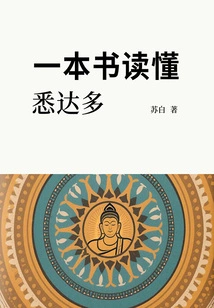
This book is based on Hesse's classic novel, and deeply analyzes the protagonist's three-fold life transformation from a Brahmin noble to a ascetic ascetic, and from a sinker in the world to a river ferryman. Through seven chapters of philosophical wandering, the book reveals how modern people bridge the gap between "knowledge" and "wisdom" - when Siddhartha pointed out the fault zone in the Buddha's teachings, he essentially revealed the limitations of all ready-made truths: true awakening must be reached through "wrong" paths such as the burning of lust, the corrosion of wealth, and the tearing of parent-child relationships. The book creatively proposes the "river epistemology" and interprets Hesse's Ganges as a flowing university of life: those years that we regard as failures are actually compulsory credits for the soul; every dilemma is a training ground preset by destiny. Finally, it ends with an existential declaration of life: becoming one's own ferryman is not about becoming a saint, but about accepting a life in the quantum state where light and shadow dance together. This ideological navigator is not only a modern decoding of a century-old classic, but also provides Eastern wisdom for spiritual breakthrough for contemporary people who are trapped in the maze of meaning.
This book is based on Hesse's classic novel, and deeply analyzes the protagonist's three-fold life transformation from a Brahmin noble to a ascetic ascetic, and from a sinker in the world to a river ferryman. Through seven chapters of philosophical wandering, the book reveals how modern people bridge the gap between "knowledge" and "wisdom" - when Siddhartha pointed out the fault zone in the Buddha's teachings, he essentially revealed the limitations of all ready-made truths: true awakening must be reached through "wrong" paths such as the burning of lust, the corrosion of wealth, and the tearing of parent-child relationships. The book creatively proposes the "river epistemology" and interprets Hesse's Ganges as a flowing university of life: those years that we regard as failures are actually compulsory credits for the soul; every dilemma is a training ground preset by destiny. Finally, it ends with an existential declaration of life: becoming one's own ferryman is not about becoming a saint, but about accepting a life in the quantum state where light and shadow dance together. This ideological navigator is not only a modern decoding of a century-old classic, but also provides Eastern wisdom for spiritual breakthrough for contemporary people who are trapped in the maze of meaning.
宿白讲稿·下
Su Bai
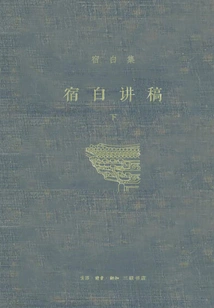
Su Bai's lecture notes (Part 2) include: "Archaeology of Ancient Chinese Architecture", "Archaeology of the Han, Tang, Song and Yuan Dynasties: Chinese Archeology (Part 2)", and "Zhang Yanyuan's "Records of Famous Paintings of the Past Dynasties"". The above three lecture notes were compiled by Mr. Su Bai in the late 1980s and early 21st century for the undergraduate and graduate courses of the Department of Archeology of Peking University, and were compiled into books and published in his later years. "Archaeology of Ancient Chinese Architecture" points out the core position of wooden structures in my country's ancient architecture and sorts out its major evolutionary stages, leading a new direction in the study of ancient Chinese architecture. "Archaeology of the Han, Tang, Song and Yuan Dynasties" focuses on city sites, tombs, agriculture, handicrafts, religion, ethnic minorities, overseas transportation and other relics, outlining and opening up the historical context of Chinese archeology from the Qin and Han Dynasties to the Song and Yuan Dynasties. Mastering and learning to use important ancient documents is the only way to engage in archaeological art history research. In "Zhang Yanyuanhe's "Records of Famous Paintings of the Past Dynasties"", Mr. Su Bai shows the rules.
Su Bai's lecture notes (Part 2) include: "Archaeology of Ancient Chinese Architecture", "Archaeology of the Han, Tang, Song and Yuan Dynasties: Chinese Archeology (Part 2)", and "Zhang Yanyuan's "Records of Famous Paintings of the Past Dynasties"". The above three lecture notes were compiled by Mr. Su Bai in the late 1980s and early 21st century for the undergraduate and graduate courses of the Department of Archeology of Peking University, and were compiled into books and published in his later years. "Archaeology of Ancient Chinese Architecture" points out the core position of wooden structures in my country's ancient architecture and sorts out its major evolutionary stages, leading a new direction in the study of ancient Chinese architecture. "Archaeology of the Han, Tang, Song and Yuan Dynasties" focuses on city sites, tombs, agriculture, handicrafts, religion, ethnic minorities, overseas transportation and other relics, outlining and opening up the historical context of Chinese archeology from the Qin and Han Dynasties to the Song and Yuan Dynasties. Mastering and learning to use important ancient documents is the only way to engage in archaeological art history research. In "Zhang Yanyuanhe's "Records of Famous Paintings of the Past Dynasties"", Mr. Su Bai shows the rules.
宿白讲稿·上
Su Bai
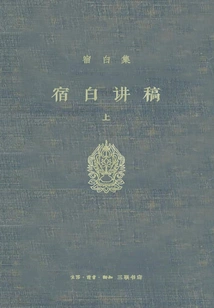
He is the "eternal teacher" in the field of cultural relics and archaeology. Su Bai's lecture notes (Part 1) include: "Catalog of Buddhist Books in Chinese", "Archaeological Discovery and Cultural Exchanges between China and the West", and "Remains of Chinese Buddhist Cave Temples: Chinese Buddhist Archeology from the 3rd to 8th Century", all of which were compiled by Mr. Su Bai in the early 1980s for the undergraduate and graduate courses of the Department of Archeology at Peking University. They were compiled into books and published in his later years. "A Catalog of Buddhist Books in Chinese" introduces the catalog, arrangement and development of historically important Chinese Buddhist books, which is nothing less than a key to the treasure house of Buddhism. "Archaeological Discovery and Cultural Exchanges between China and the West" provides a high-level overview of the characteristics and participants of Sino-foreign exchanges in different historical periods, and deeply explores the interactive influence of Chinese and foreign civilizations. "Buddhist Cave Temple Remains in China: Chinese Buddhist Archeology from the 3rd to 8th Centuries" takes the title of a brief history of research, the distribution of ruins, and key grottoes such as Yungang, Dunhuang, and Kizil, and briefly introduces the systematic knowledge of Chinese Buddhist archeology in the medieval period.
He is the "eternal teacher" in the field of cultural relics and archaeology. Su Bai's lecture notes (Part 1) include: "Catalog of Buddhist Books in Chinese", "Archaeological Discovery and Cultural Exchanges between China and the West", and "Remains of Chinese Buddhist Cave Temples: Chinese Buddhist Archeology from the 3rd to 8th Century", all of which were compiled by Mr. Su Bai in the early 1980s for the undergraduate and graduate courses of the Department of Archeology at Peking University. They were compiled into books and published in his later years. "A Catalog of Buddhist Books in Chinese" introduces the catalog, arrangement and development of historically important Chinese Buddhist books, which is nothing less than a key to the treasure house of Buddhism. "Archaeological Discovery and Cultural Exchanges between China and the West" provides a high-level overview of the characteristics and participants of Sino-foreign exchanges in different historical periods, and deeply explores the interactive influence of Chinese and foreign civilizations. "Buddhist Cave Temple Remains in China: Chinese Buddhist Archeology from the 3rd to 8th Centuries" takes the title of a brief history of research, the distribution of ruins, and key grottoes such as Yungang, Dunhuang, and Kizil, and briefly introduces the systematic knowledge of Chinese Buddhist archeology in the medieval period.
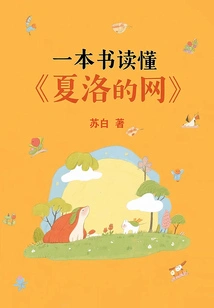
Read "charlotte's Web" in One Book
Literature一本书读懂《夏洛的网》
Su Bai
This book deeply analyzes the multiple charms and deep values of the classic fairy tale "Charlotte's Web", explores the reasons why it has become the white moonlight in the childhood of children around the world, traces the creative code of E. B. White, and analyzes the spectrum of human nature reflected by animal characters such as Wilbur, Charlotte, and Templeton. Deeply dismantle the spiritual core of the story, reveal the "remarkable" aspects of ordinary lives' mutual redemption, and interpret the literary magic behind words such as "humility" and "brilliant". At the same time, it explores the precise reflection of the farm fable on loneliness and warmth in contemporary society, and provides a reading guide across all ages - children can feel the fantasy adventure and the preciousness of friendship, teenagers can experience the pain of growing up, and adults can understand the philosophy of life. This book aims to guide readers to appreciate the literary treasure of this fairy tale from multiple dimensions, understand its timeless vitality, and feel the bond of life and the glory of humanity.
This book deeply analyzes the multiple charms and deep values of the classic fairy tale "Charlotte's Web", explores the reasons why it has become the white moonlight in the childhood of children around the world, traces the creative code of E. B. White, and analyzes the spectrum of human nature reflected by animal characters such as Wilbur, Charlotte, and Templeton. Deeply dismantle the spiritual core of the story, reveal the "remarkable" aspects of ordinary lives' mutual redemption, and interpret the literary magic behind words such as "humility" and "brilliant". At the same time, it explores the precise reflection of the farm fable on loneliness and warmth in contemporary society, and provides a reading guide across all ages - children can feel the fantasy adventure and the preciousness of friendship, teenagers can experience the pain of growing up, and adults can understand the philosophy of life. This book aims to guide readers to appreciate the literary treasure of this fairy tale from multiple dimensions, understand its timeless vitality, and feel the bond of life and the glory of humanity.
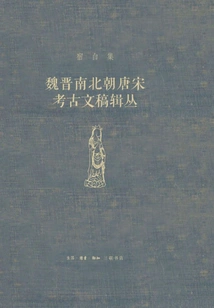
魏晋南北朝唐宋考古文稿辑丛
Su Bai
Mr. Su Bai is a master who creates paradigms and establishes systems in the Chinese archaeological community. This "Collection of Archaeological Manuscripts of the Wei, Jin, Southern and Northern Dynasties, Tang and Song Dynasties" contains thirty-nine articles by Mr. Su. It is a representative work of archeology in the historical period and presents Mr. Su Bai's full and careful thinking on the archeology of this historical period. The book scientifically organizes typical archaeological materials from the Wei, Jin, Southern and Northern Dynasties, Tang and Song Dynasties from multiple perspectives, including the evolution and development of ancient cities, changes in tomb forms, and the layout of temple ruins - from the "overlapping cities of ancient and modern times" Chang'an and Luoyang, to the rise and fall of the Zhang family in the Liao Tombs in Xuanhua, to the silver vase at the Jokhang Temple in Tibet, the vaults at Longxing Temple in Qingzhou, the murals at Yongle Palace in Shanxi, and even the jade insect cook at Horyuji Temple in Nara, Japan. Mr. Su Bai used a consistent method of mutual verification between archaeological practice and history and documents to build a clear system of classification and periodization for a large number of scattered archaeological materials, and put forward many weighty views, especially the advent of the concept and method of "urban archeology", which influenced and guided a large number of subsequent archaeologists.
Mr. Su Bai is a master who creates paradigms and establishes systems in the Chinese archaeological community. This "Collection of Archaeological Manuscripts of the Wei, Jin, Southern and Northern Dynasties, Tang and Song Dynasties" contains thirty-nine articles by Mr. Su. It is a representative work of archeology in the historical period and presents Mr. Su Bai's full and careful thinking on the archeology of this historical period. The book scientifically organizes typical archaeological materials from the Wei, Jin, Southern and Northern Dynasties, Tang and Song Dynasties from multiple perspectives, including the evolution and development of ancient cities, changes in tomb forms, and the layout of temple ruins - from the "overlapping cities of ancient and modern times" Chang'an and Luoyang, to the rise and fall of the Zhang family in the Liao Tombs in Xuanhua, to the silver vase at the Jokhang Temple in Tibet, the vaults at Longxing Temple in Qingzhou, the murals at Yongle Palace in Shanxi, and even the jade insect cook at Horyuji Temple in Nara, Japan. Mr. Su Bai used a consistent method of mutual verification between archaeological practice and history and documents to build a clear system of classification and periodization for a large number of scattered archaeological materials, and put forward many weighty views, especially the advent of the concept and method of "urban archeology", which influenced and guided a large number of subsequent archaeologists.
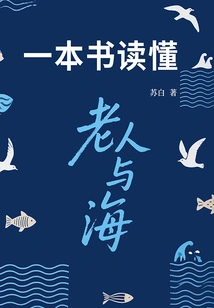
一本书读懂老人与海
Su Bai
This book uses literary deconstruction and existential philosophy interpretation across time and space to reveal the multi-dimensional aspects of Hemingway's classic novella. The book begins with the eighty-four-day lonely voyage of the old fisherman Santiago and traces how his spiritual epic penetrates the fog of literary history - it is not only a literary reflection of the dilemma of existentialism, but also an apocalypse of survival in the postwar world with the declaration that "people can be destroyed but not defeated"; it is also a survival apocalypse in the digital age, providing a way out for Generation Z who are deeply trapped in involution and crisis of meaning, and transforming "lying flat" into an energy management technique that refines dignity. The book provides an in-depth analysis of the innovative nature of Hemingway's "iceberg aesthetics", revealing how telegraphic style carries the eternal proposition of human survival in one-eighth of words, while decoding the global migration history of classic quotations: from the skin of Vietnam War soldiers to the walls of Silicon Valley conference rooms, from modern reading empowered by AR technology to the semantic rebirth of the ChatGPT era, showing how golden sentences can always maintain their spiritual edge amid cultural variation. Through a seven-dimensional three-dimensional interpretation, this book not only restores the creative code of "The Old Man and the Sea" as a milestone in literary history, but also transforms it into a spiritual compass for contemporary people to fight against nothingness, proving that a true classic can always capture a new meaning of life in the sea of time.
This book uses literary deconstruction and existential philosophy interpretation across time and space to reveal the multi-dimensional aspects of Hemingway's classic novella. The book begins with the eighty-four-day lonely voyage of the old fisherman Santiago and traces how his spiritual epic penetrates the fog of literary history - it is not only a literary reflection of the dilemma of existentialism, but also an apocalypse of survival in the postwar world with the declaration that "people can be destroyed but not defeated"; it is also a survival apocalypse in the digital age, providing a way out for Generation Z who are deeply trapped in involution and crisis of meaning, and transforming "lying flat" into an energy management technique that refines dignity. The book provides an in-depth analysis of the innovative nature of Hemingway's "iceberg aesthetics", revealing how telegraphic style carries the eternal proposition of human survival in one-eighth of words, while decoding the global migration history of classic quotations: from the skin of Vietnam War soldiers to the walls of Silicon Valley conference rooms, from modern reading empowered by AR technology to the semantic rebirth of the ChatGPT era, showing how golden sentences can always maintain their spiritual edge amid cultural variation. Through a seven-dimensional three-dimensional interpretation, this book not only restores the creative code of "The Old Man and the Sea" as a milestone in literary history, but also transforms it into a spiritual compass for contemporary people to fight against nothingness, proving that a true classic can always capture a new meaning of life in the sea of time.
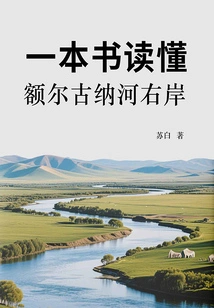
一本书读懂额尔古纳河右岸
Su Bai
This book is based on the century-old Ewenki epic "Right Bank of the Ergun River" and provides an in-depth analysis of the spiritual core of this Mao Dun Literature Prize masterpiece through six dimensions. The book takes the ecological code of reindeer as a starting point, reveals the ecological wisdom of the Ewenki people of "taking one for ten", glimpses divine redemption in the bronze mirror of the shaman's skirt, and presents the spiritual breakthrough of nomadic civilization against modernity in the collision of neon lights and bonfires. The book pays special attention to female narratives, from Damara's Hagoromo Dance to Nihao Shaman's bloody redemption, outlining the life resilience of the matriarchal clan blooming in suffering. By deconstructing the circular time structure of "morning, noon, and dusk", Chi Zijian's subversive writing of the linear view of history is revealed, and ultimately the survival inspiration against consumerism and ecological crisis is extracted from the birch bark epic. The whole book is not only a literary decoding of the centuries-old vicissitudes of primitive tribes, but also a warning song dedicated to modern civilization, leading readers to listen to the eternal dialogue between life and nature amidst the ringing of reindeer bells and the sound of urban sirens.
This book is based on the century-old Ewenki epic "Right Bank of the Ergun River" and provides an in-depth analysis of the spiritual core of this Mao Dun Literature Prize masterpiece through six dimensions. The book takes the ecological code of reindeer as a starting point, reveals the ecological wisdom of the Ewenki people of "taking one for ten", glimpses divine redemption in the bronze mirror of the shaman's skirt, and presents the spiritual breakthrough of nomadic civilization against modernity in the collision of neon lights and bonfires. The book pays special attention to female narratives, from Damara's Hagoromo Dance to Nihao Shaman's bloody redemption, outlining the life resilience of the matriarchal clan blooming in suffering. By deconstructing the circular time structure of "morning, noon, and dusk", Chi Zijian's subversive writing of the linear view of history is revealed, and ultimately the survival inspiration against consumerism and ecological crisis is extracted from the birch bark epic. The whole book is not only a literary decoding of the centuries-old vicissitudes of primitive tribes, but also a warning song dedicated to modern civilization, leading readers to listen to the eternal dialogue between life and nature amidst the ringing of reindeer bells and the sound of urban sirens.
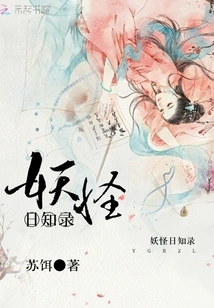
Monster Daily Record
Fantasy Romance妖怪日知录
Su Bai
The police officer handles the case, the main plot and the branch plot, all the shemale romances are brought out, the male protagonist is nothing special, he is just a loyal dog and a pet, well, anyway, I write how I like, you can just make do with it. Content tags: Search keywords: Protagonist: Wuman ┃ Supporting role: Monster ┃ Others: One-sentence summary: I want to write about shemale love, and I won't lose money if I invest in it. Purpose: Every love is worth protecting
The police officer handles the case, the main plot and the branch plot, all the shemale romances are brought out, the male protagonist is nothing special, he is just a loyal dog and a pet, well, anyway, I write how I like, you can just make do with it. Content tags: Search keywords: Protagonist: Wuman ┃ Supporting role: Monster ┃ Others: One-sentence summary: I want to write about shemale love, and I won't lose money if I invest in it. Purpose: Every love is worth protecting
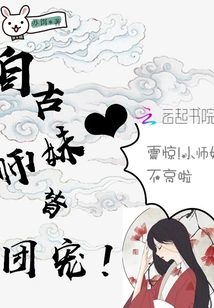
自古师妹皆团宠
Su Bai
("Monster Daily Knowledge" recommends old books, "Humans and monsters fall in love") The little junior sister of Yunlan Immortal Sect is not tall. Just that bad-tempered, lawless little devil Yunlan? "What's so great about being pampered by a senior brother? Her height is a flaw. From now on, she will use her height to diss her." The little junior sister was so angry that she beat the person, and tears flowed down her face as she beat him. "Brother, I, I can't grow taller!" The domineering and loyal second senior brother: "Whoever dares to laugh at you, I will slaughter the whole family!" Who: What did I do? ! ! Gentle and gentle senior brother: "Come on, junior sister, stretch out your feet. The high heels designed by senior brother are for you." Reader: High heels? ! ! Just to tease the fourth junior brother: "Senior sister, please touch my head. I'm shorter than you. Hurry up and touch me. You won't be able to touch me anymore when you grow taller." Reader: Isn't the title about junior sister? Why is there a junior brother? Yun Xiu: So what, I am still the group favorite! Is it amazing to have a senior brother to pamper you? Of course it's amazing!
("Monster Daily Knowledge" recommends old books, "Humans and monsters fall in love") The little junior sister of Yunlan Immortal Sect is not tall. Just that bad-tempered, lawless little devil Yunlan? "What's so great about being pampered by a senior brother? Her height is a flaw. From now on, she will use her height to diss her." The little junior sister was so angry that she beat the person, and tears flowed down her face as she beat him. "Brother, I, I can't grow taller!" The domineering and loyal second senior brother: "Whoever dares to laugh at you, I will slaughter the whole family!" Who: What did I do? ! ! Gentle and gentle senior brother: "Come on, junior sister, stretch out your feet. The high heels designed by senior brother are for you." Reader: High heels? ! ! Just to tease the fourth junior brother: "Senior sister, please touch my head. I'm shorter than you. Hurry up and touch me. You won't be able to touch me anymore when you grow taller." Reader: Isn't the title about junior sister? Why is there a junior brother? Yun Xiu: So what, I am still the group favorite! Is it amazing to have a senior brother to pamper you? Of course it's amazing!
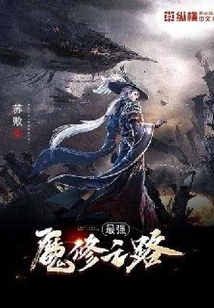
最强魔修之路
Su Bai
I am Xiao Wudao. I traveled through time and became a disciple of the devil. What should I do if I am surrounded by a group of righteous bosses? Waiting online, urgent!
I am Xiao Wudao. I traveled through time and became a disciple of the devil. What should I do if I am surrounded by a group of righteous bosses? Waiting online, urgent!
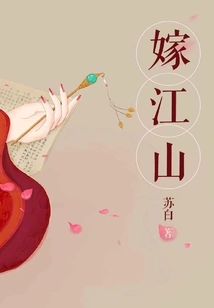
Marry Country
Ancient Romance嫁江山
Su Bai
Born as dust, it can reach the clouds! An ordinary maid worked step by step, got rid of her slave status, was promoted to an official, became a princess, and finally stood at the top of the mountain and stood proud of all the heroes. She killed all those who disobeyed her, framed her, and deceived her in her previous life, leaving no future troubles!
Born as dust, it can reach the clouds! An ordinary maid worked step by step, got rid of her slave status, was promoted to an official, became a princess, and finally stood at the top of the mountain and stood proud of all the heroes. She killed all those who disobeyed her, framed her, and deceived her in her previous life, leaving no future troubles!