Library
Browse and search books
1 novel found
古代军事著作合集(全集)
Sima Rangju Et Al.
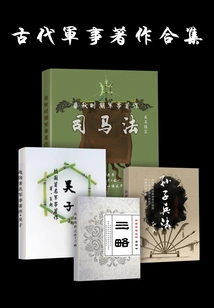
This set of books includes "Military Works of the Spring and Autumn Period: Sima Fa"; "Sacred Text of Military Science: Sun Tzu's Art of War"; "Famous Military Works of the Warring States Period: Wu Zi"; and "Military Masters' Handwritten Works: Three Strategies" in total. "Sima Fa" has been circulating for more than 2,000 years. As one of the "Seven Books of Martial Arts" authorized by the royal family, it came from the early Western Zhou Dynasty and was probably written in the early Warring States Period. It is the earliest military work that has been handed down. "Sima Fa" stood out from the voluminous military works and became one of the "Seven Books"; in the forty-eighth year of Emperor Kangxi of the Qing Dynasty (1709), the imperial court selected three books from the "Seven Books", known as the "Three Books of Martial Arts". "Sima Fa" was selected among them and became one of the "Three Books". Able to advance into the phalanx of the "Seven Books" and even the "Three Books" designated by the royal family in different periods, "Sima Fa" is a representative of the extremely high level of ancient military science, which is beyond the reach of ordinary military books. "Sun Tzu's Art of War" is a monograph on military science in my country. It has extensive and profound content, profound thoughts and rigorous logic. It perfectly embodies the essence of ancient Chinese military thought and is known as the "Sacred Text of Military Science". "Wu Zi" is a military work as famous as "Sun Tzu's Art of War". It is said to have been written by Wu Qi, a famous military strategist during the Warring States Period. The book has been compiled and deleted by later generations during its long-term circulation. Some chapters and contents have been lost. Currently, only six chapters including "Pictures of the Country", "Making Enemies", "Governing the Army", "On Generals" and "Lishi" remain, which is far from a complete work. "Military Strategies: Three Strategies" is a classic work about military strategy. It was written by Huang Shigong during the Qin Dynasty. It mainly expounds the political strategy of governing a country and rejuvenating the country, uniting the army and controlling the generals. It also involves the specific strategies and methods of using troops to fight. Its ideological system is not limited to one family, but blends the thoughts of various schools, especially Confucianism and Taoism. Therefore, although this book is famous as a military book, it is also regarded as a political strategy work. The article is not long but has far-reaching implications. It is compatible with the ideas of various pre-Qin schools. It has pertinent discussions on hardness and softness, valuing causes, using generals, rewards and punishments, advocating the virtuous, etiquette, and benefiting the people. Many scholars of the past dynasties have annotated and explained it, and it is highly praised. It focuses on clarifying the principles of governing the country and using military force from the perspective of political strategy, which is different from other military books. Chao Gongwu of the Southern Song Dynasty said: "In terms of the ingenuity of military maneuvers and strict decisions, the army can die or survive, and the country can survive or perish." "Historical Records. The Liuhou Family" records: Zhang Liang failed to assassinate Qin Shihuang, but was hunted down and was forced to hide in Xiapi (today's Pi County, Jiangsu Province) incognito. Here he met a man who claimed that the yellow stone at the foot of Gucheng Mountain is me. The old man taught him a copy of "Tai Gong's Art of War" (also said to be "Huang Shi Gong's Three Strategies"). After that, the Duke disappeared from historical records. Zhang Liang obtained the book, devoted himself to research, and later helped Liu Bang conquer the world and establish the Western Han Dynasty. However, according to textual research, the "Three Strategies of Huangshi Gong" should have been written no earlier than the middle of the Western Han Dynasty. It was compiled by later generations in the name of their predecessors, based on absorbing the excellent military ideas of the pre-Qin Dynasty and summarizing the experience of political rule and military management in the early Qin and Han Dynasties. It has many unique features.
This set of books includes "Military Works of the Spring and Autumn Period: Sima Fa"; "Sacred Text of Military Science: Sun Tzu's Art of War"; "Famous Military Works of the Warring States Period: Wu Zi"; and "Military Masters' Handwritten Works: Three Strategies" in total. "Sima Fa" has been circulating for more than 2,000 years. As one of the "Seven Books of Martial Arts" authorized by the royal family, it came from the early Western Zhou Dynasty and was probably written in the early Warring States Period. It is the earliest military work that has been handed down. "Sima Fa" stood out from the voluminous military works and became one of the "Seven Books"; in the forty-eighth year of Emperor Kangxi of the Qing Dynasty (1709), the imperial court selected three books from the "Seven Books", known as the "Three Books of Martial Arts". "Sima Fa" was selected among them and became one of the "Three Books". Able to advance into the phalanx of the "Seven Books" and even the "Three Books" designated by the royal family in different periods, "Sima Fa" is a representative of the extremely high level of ancient military science, which is beyond the reach of ordinary military books. "Sun Tzu's Art of War" is a monograph on military science in my country. It has extensive and profound content, profound thoughts and rigorous logic. It perfectly embodies the essence of ancient Chinese military thought and is known as the "Sacred Text of Military Science". "Wu Zi" is a military work as famous as "Sun Tzu's Art of War". It is said to have been written by Wu Qi, a famous military strategist during the Warring States Period. The book has been compiled and deleted by later generations during its long-term circulation. Some chapters and contents have been lost. Currently, only six chapters including "Pictures of the Country", "Making Enemies", "Governing the Army", "On Generals" and "Lishi" remain, which is far from a complete work. "Military Strategies: Three Strategies" is a classic work about military strategy. It was written by Huang Shigong during the Qin Dynasty. It mainly expounds the political strategy of governing a country and rejuvenating the country, uniting the army and controlling the generals. It also involves the specific strategies and methods of using troops to fight. Its ideological system is not limited to one family, but blends the thoughts of various schools, especially Confucianism and Taoism. Therefore, although this book is famous as a military book, it is also regarded as a political strategy work. The article is not long but has far-reaching implications. It is compatible with the ideas of various pre-Qin schools. It has pertinent discussions on hardness and softness, valuing causes, using generals, rewards and punishments, advocating the virtuous, etiquette, and benefiting the people. Many scholars of the past dynasties have annotated and explained it, and it is highly praised. It focuses on clarifying the principles of governing the country and using military force from the perspective of political strategy, which is different from other military books. Chao Gongwu of the Southern Song Dynasty said: "In terms of the ingenuity of military maneuvers and strict decisions, the army can die or survive, and the country can survive or perish." "Historical Records. The Liuhou Family" records: Zhang Liang failed to assassinate Qin Shihuang, but was hunted down and was forced to hide in Xiapi (today's Pi County, Jiangsu Province) incognito. Here he met a man who claimed that the yellow stone at the foot of Gucheng Mountain is me. The old man taught him a copy of "Tai Gong's Art of War" (also said to be "Huang Shi Gong's Three Strategies"). After that, the Duke disappeared from historical records. Zhang Liang obtained the book, devoted himself to research, and later helped Liu Bang conquer the world and establish the Western Han Dynasty. However, according to textual research, the "Three Strategies of Huangshi Gong" should have been written no earlier than the middle of the Western Han Dynasty. It was compiled by later generations in the name of their predecessors, based on absorbing the excellent military ideas of the pre-Qin Dynasty and summarizing the experience of political rule and military management in the early Qin and Han Dynasties. It has many unique features.