Library
Browse and search books
5 novels found
Reading Notes (excerpts)
Literature看书余记(选摘)
Shi Shuqing
Last night, I made an appointment with Baicao to visit the old bookstall in Xincheng District, and then went to eat at Glasses BBQ. We agreed to meet at Xishu Bookstore next to Ning University at six o'clock. I arrived first and found that Xi Shu Bookstore had many good books. Some monographs on classical literature are well printed and appear generous and confident. Many books made me feel that learning is difficult and requires hard work. It seems that only a monk facing the wall can make it. A book can require a lifetime of work and effort. Learning like this is a daunting path for me. But I also have respect for these scholars. I feel that scholars should be practical and confident, and they really have a side that will not yield to the emperor. I saw several books by Hu Shi, including "Hu Shi's Commentary on a Dream of Red Mansions", "Hu Shi's Commentary on a Poetry a Day", "Hu Shi's Selection of Words", etc., And I couldn't help but admire the former scholar.
Last night, I made an appointment with Baicao to visit the old bookstall in Xincheng District, and then went to eat at Glasses BBQ. We agreed to meet at Xishu Bookstore next to Ning University at six o'clock. I arrived first and found that Xi Shu Bookstore had many good books. Some monographs on classical literature are well printed and appear generous and confident. Many books made me feel that learning is difficult and requires hard work. It seems that only a monk facing the wall can make it. A book can require a lifetime of work and effort. Learning like this is a daunting path for me. But I also have respect for these scholars. I feel that scholars should be practical and confident, and they really have a side that will not yield to the emperor. I saw several books by Hu Shi, including "Hu Shi's Commentary on a Dream of Red Mansions", "Hu Shi's Commentary on a Poetry a Day", "Hu Shi's Selection of Words", etc., And I couldn't help but admire the former scholar.
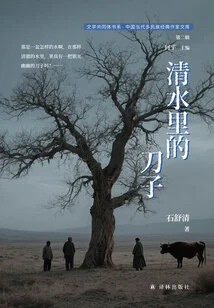
The Knife in the Clear Water (literary Community Book Series·chinese Contemporary Multi-ethnic Classic Writers Library, Second Series)
General Fiction清水里的刀子(文学共同体书系·中国当代多民族经典作家文库第二辑)
Shi Shuqing
This book selects ten of Shi Shuqing's most representative works, using several cities in the northwest as the background to depict the richness and warmth of rural life in the northwest. From the compassion of the old cow dying in "The Knife in the Clear Water" to the old man's obsession with paying off his debt in "Twilight"; from the couple's watch over the fruit trees in "The Fruit Courtyard" to the absurd lawsuits in the late Qing Dynasty and the early Republic of China in "Eight Cases from the Past"... Shi Shuqing writes about life and death, faith, the absurdity and solemnity of fate, and the struggle and dignity of small people on barren land with almost line drawings. Each article is a painting of northwest scenery, and each sentence hides the hot heart.
This book selects ten of Shi Shuqing's most representative works, using several cities in the northwest as the background to depict the richness and warmth of rural life in the northwest. From the compassion of the old cow dying in "The Knife in the Clear Water" to the old man's obsession with paying off his debt in "Twilight"; from the couple's watch over the fruit trees in "The Fruit Courtyard" to the absurd lawsuits in the late Qing Dynasty and the early Republic of China in "Eight Cases from the Past"... Shi Shuqing writes about life and death, faith, the absurdity and solemnity of fate, and the struggle and dignity of small people on barren land with almost line drawings. Each article is a painting of northwest scenery, and each sentence hides the hot heart.
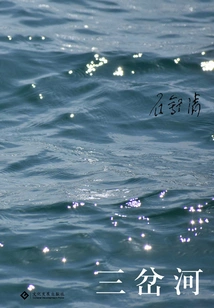
Sanchahe
General Fiction三岔河
Shi Shuqing
"Sancha River" is a collection of short stories by the writer Shi Shuqing. It is not only a village history, but also a family history, and it can also be the life history of the writer's childhood and youth. The novel uses the writer's hometown as the geographical background, draws materials from memory and experience, and uses the concepts of "poetry and truth" - the so-called "truth" means that the writer faithfully recounts what he heard and heard, while "poetry" contains a certain deep meaning - it writes about a small, indescribable place that appears independent but is closely related to the vast world outside. From the beginning to the final chapter, "Sancha River" always embodies exquisite, subtle and even bizarre descriptions, making those unknown little people flesh and blood. By constantly exploring their most real life experiences, it penetrates the barriers of national customs and opens a window for readers to understand and appreciate life!
"Sancha River" is a collection of short stories by the writer Shi Shuqing. It is not only a village history, but also a family history, and it can also be the life history of the writer's childhood and youth. The novel uses the writer's hometown as the geographical background, draws materials from memory and experience, and uses the concepts of "poetry and truth" - the so-called "truth" means that the writer faithfully recounts what he heard and heard, while "poetry" contains a certain deep meaning - it writes about a small, indescribable place that appears independent but is closely related to the vast world outside. From the beginning to the final chapter, "Sancha River" always embodies exquisite, subtle and even bizarre descriptions, making those unknown little people flesh and blood. By constantly exploring their most real life experiences, it penetrates the barriers of national customs and opens a window for readers to understand and appreciate life!
Stories Told by Father
General Fiction父亲讲的故事
Shi Shuqing
My father said, make me a cup of tea, and I will tell you about the past and present today. We people here call storytelling ancient and modern. Father said, this ancient and modern thing was said by your third grandfather. There is nothing to do today, and if you are idle, you will be idle, so he will tell us about this past and present. Third Grandpa was the captain of the team and was very eloquent. I heard him say that Third Sister Yang complained. It has been almost thirty years since my third grandfather passed away. My father said that when this happened, he had just come into the world.
My father said, make me a cup of tea, and I will tell you about the past and present today. We people here call storytelling ancient and modern. Father said, this ancient and modern thing was said by your third grandfather. There is nothing to do today, and if you are idle, you will be idle, so he will tell us about this past and present. Third Grandpa was the captain of the team and was very eloquent. I heard him say that Third Sister Yang complained. It has been almost thirty years since my third grandfather passed away. My father said that when this happened, he had just come into the world.
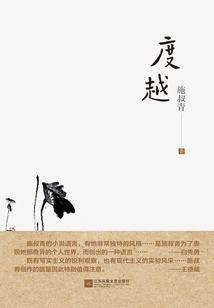
Du Yue
General Fiction度越
Shi Shuqing
The protagonist comes to the ancient city of Nanjing to resolve love affairs and engages in research on the Buddhist art of the Six Dynasties. Parallel to this contemporary story is the story of the Wei and Jin Dynasties. Zhu Ji, a "student who writes scriptures", was born in a poor family. He was ordained many times and his Dharma name was Jisheng. Jisheng's originally pure spiritual practice was disturbed by his chance encounter with Yanhong, a singing prostitute who had fled. At the same time, he came to Jiankang (today's Nanjing) to study Taoism and propagate Buddhism, but he was fascinated by the literary talents of the Jiangnan scholars at that time. Ji Sheng and Yan Hong performed a scene of love and hatred.
The protagonist comes to the ancient city of Nanjing to resolve love affairs and engages in research on the Buddhist art of the Six Dynasties. Parallel to this contemporary story is the story of the Wei and Jin Dynasties. Zhu Ji, a "student who writes scriptures", was born in a poor family. He was ordained many times and his Dharma name was Jisheng. Jisheng's originally pure spiritual practice was disturbed by his chance encounter with Yanhong, a singing prostitute who had fled. At the same time, he came to Jiankang (today's Nanjing) to study Taoism and propagate Buddhism, but he was fascinated by the literary talents of the Jiangnan scholars at that time. Ji Sheng and Yan Hong performed a scene of love and hatred.