Library
Browse and search books
9 novels found
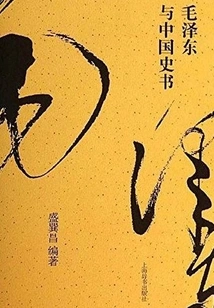
毛泽东与中国史书
Sheng Xunchang
Mao Zedong read history books, including the Twenty-Four Histories and other history books. The Twenty-Four Histories is the general name for the twenty-four historical books written by various dynasties in ancient China, and has been listed as the orthodox history book by all dynasties. Mao Zedong loved to read the Twenty-Four Histories and read them repeatedly, analyzing the characters in the history books and the war strategies involved. Mao Zedong carefully studied these strategies and applied them in practice: in war, in party building, and in socialist construction. From this, we can see Mao Zedong's wisdom in reading.
Mao Zedong read history books, including the Twenty-Four Histories and other history books. The Twenty-Four Histories is the general name for the twenty-four historical books written by various dynasties in ancient China, and has been listed as the orthodox history book by all dynasties. Mao Zedong loved to read the Twenty-Four Histories and read them repeatedly, analyzing the characters in the history books and the war strategies involved. Mao Zedong carefully studied these strategies and applied them in practice: in war, in party building, and in socialist construction. From this, we can see Mao Zedong's wisdom in reading.
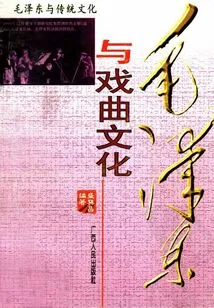
Mao Zedong and Opera Culture
Literature毛泽东与戏曲文化
Sheng Xunchang
Chinese opera culture is a creation of the Chinese nation and a cultural heritage accumulated by generations of people. It is an important part of building Chinese culture. Mao Zedong loved and was familiar with opera. During his spare time, he enjoyed various operas and listened to tunes from various schools with the people. He also liked everything the people liked, such as Peking Opera, Jin Opera, Yu Opera, Qin Opera, Yue Opera and Kun Opera. Others watch operas, listen to music, enjoy the excitement, and comment on elegance and vulgarity, but he can often find philosophical knowledge from the operas, which can be used in the past and present. In real life, he can find references on political struggles, strategies, leadership arts, work methods, etc., And make unique comments from a different perspective...
Chinese opera culture is a creation of the Chinese nation and a cultural heritage accumulated by generations of people. It is an important part of building Chinese culture. Mao Zedong loved and was familiar with opera. During his spare time, he enjoyed various operas and listened to tunes from various schools with the people. He also liked everything the people liked, such as Peking Opera, Jin Opera, Yu Opera, Qin Opera, Yue Opera and Kun Opera. Others watch operas, listen to music, enjoy the excitement, and comment on elegance and vulgarity, but he can often find philosophical knowledge from the operas, which can be used in the past and present. In real life, he can find references on political struggles, strategies, leadership arts, work methods, etc., And make unique comments from a different perspective...
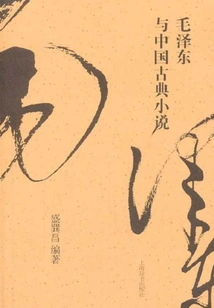
Mao Zedong and Chinese Classical Novels
Literature毛泽东与中国古典小说
Sheng Xunchang
Mao Zedong read many books in his life. The most representative classical novels in China are undoubtedly "The Romance of the Three Kingdoms", "Water Margin", "Journey to the West", "A Dream of Red Mansions", "Strange Stories from a Chinese Studio", etc. Mao Zedong read these books repeatedly and savored them carefully, from which he could see the social background and the turmoil of the world reflected in the stories. He had a unique analysis of the characters in the stories, and saw through the profound philosophies hidden behind the stories. He combined these philosophies with reality and applied them to war, party building and socialist construction.
Mao Zedong read many books in his life. The most representative classical novels in China are undoubtedly "The Romance of the Three Kingdoms", "Water Margin", "Journey to the West", "A Dream of Red Mansions", "Strange Stories from a Chinese Studio", etc. Mao Zedong read these books repeatedly and savored them carefully, from which he could see the social background and the turmoil of the world reflected in the stories. He had a unique analysis of the characters in the stories, and saw through the profound philosophies hidden behind the stories. He combined these philosophies with reality and applied them to war, party building and socialist construction.
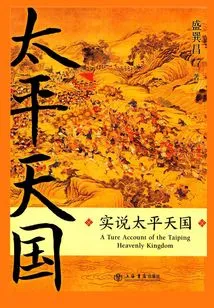
Taiping Heavenly Kingdom
History实说太平天国
Sheng Xunchang
This book is an academic work written by Mr. Sheng Xunchang based on the information he collected about the Taiping Heavenly Kingdom. However, it is different from the general academic writing method. The author targets a wider audience. He does not focus on research, but tells the historical facts and directly narrates the confirmed research conclusions to the readers. Therefore, reading this book is like reading about the Taiping Heavenly Kingdom. The true history of going deep into its interior is also based on the author's comprehensive and sufficient grasp of the Taiping Heavenly Kingdom information. It is greatly different from the previously published monographs on the history of the Taiping Heavenly Kingdom. Therefore, the narrative is more comprehensive and objective. It corrects some previous discussions that relied on conjecture and guesswork due to lack of information, or concluded one-sidedly and fallaciously, or made unreasonable statements to cater to a certain trend of thought.
This book is an academic work written by Mr. Sheng Xunchang based on the information he collected about the Taiping Heavenly Kingdom. However, it is different from the general academic writing method. The author targets a wider audience. He does not focus on research, but tells the historical facts and directly narrates the confirmed research conclusions to the readers. Therefore, reading this book is like reading about the Taiping Heavenly Kingdom. The true history of going deep into its interior is also based on the author's comprehensive and sufficient grasp of the Taiping Heavenly Kingdom information. It is greatly different from the previously published monographs on the history of the Taiping Heavenly Kingdom. Therefore, the narrative is more comprehensive and objective. It corrects some previous discussions that relied on conjecture and guesswork due to lack of information, or concluded one-sidedly and fallaciously, or made unreasonable statements to cater to a certain trend of thought.
太平天国十四年
Sheng Xunchang
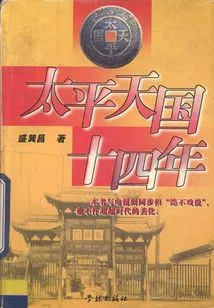
The main content of "Micro History Series of the Late Qing Dynasty: The Fourteenth Year of the Taiping Rebellion" includes: three dishonest young people, God and his children in the "little paradise", the gold field tree flag, the relief sculpture of a Taiping Utopia, the unrest in Yong'an City, several battlefields in the south and north of the Yangtze River, hanging crosses The Heavenly King and his brothers are dancing, the situation around Tianjing is tense, the Taiping Heavenly Kingdom is not at peace, there is killing and killing in Tianjing, the Kingdom of Heaven has not braked, and is still struggling, heading towards the half-walled Kingdom of Heaven in the dusk and sunset, the disillusionment of the glorious "little paradise", the end of the war, and the continuation after the fall of Tianjing, etc.
The main content of "Micro History Series of the Late Qing Dynasty: The Fourteenth Year of the Taiping Rebellion" includes: three dishonest young people, God and his children in the "little paradise", the gold field tree flag, the relief sculpture of a Taiping Utopia, the unrest in Yong'an City, several battlefields in the south and north of the Yangtze River, hanging crosses The Heavenly King and his brothers are dancing, the situation around Tianjing is tense, the Taiping Heavenly Kingdom is not at peace, there is killing and killing in Tianjing, the Kingdom of Heaven has not braked, and is still struggling, heading towards the half-walled Kingdom of Heaven in the dusk and sunset, the disillusionment of the glorious "little paradise", the end of the war, and the continuation after the fall of Tianjing, etc.
镰刀锤子话风云
Sheng Xunchang
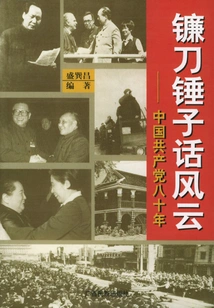
This book takes the historical process of the 1980s as the cultural background, and the content involves the anecdotes of the older generation of proletarian revolutionaries. It is simple, innocent, and the spirit can be seen in the details.
This book takes the historical process of the 1980s as the cultural background, and the content involves the anecdotes of the older generation of proletarian revolutionaries. It is simple, innocent, and the spirit can be seen in the details.
毛泽东和“三国”
Sheng Xunchang
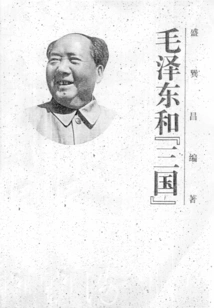
Mao Zedong loved reading "The Romance of the Three Kingdoms" and "The Chronicles of the Three Kingdoms" when he was a teenager. He said: \
Mao Zedong loved reading "The Romance of the Three Kingdoms" and "The Chronicles of the Three Kingdoms" when he was a teenager. He said: \
毛泽东与东周列国志
Sheng Xunchang
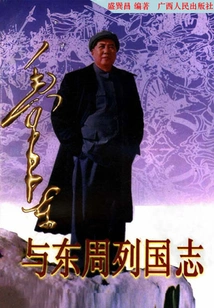
Mao Zedong was familiar with history, one of which was the long story of the Eastern Zhou Dynasties, that is, from the time when King Ping of Zhou moved the capital to Luoyang to the time when Emperor Qin Shihuang began. The Six Classics are all history. He has read ancient books since he was a child, such as "The Analects", "Mencius", "Zhuangzi", etc.; He has also read all the works of various pre-Qin writers.
Mao Zedong was familiar with history, one of which was the long story of the Eastern Zhou Dynasties, that is, from the time when King Ping of Zhou moved the capital to Luoyang to the time when Emperor Qin Shihuang began. The Six Classics are all history. He has read ancient books since he was a child, such as "The Analects", "Mencius", "Zhuangzi", etc.; He has also read all the works of various pre-Qin writers.
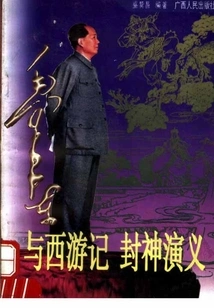
毛泽东与西游记 封神演义
Sheng Xunchang
Among the classic literary masterpieces that Mao Zedong liked to read, "The Romance of the Gods" occupies a special place. Although he did not read "The Romance of the Gods" as much as "The Romance of the Three Kingdoms" and "A Dream of Red Mansions" as a political or military book, nor did he read "Fengshen Yanyi" as a political or military book like "Journey to the West" and "Water Margin", he often used the stories in the book to explain things and explain the truth. From the historical materials I have seen so far, Mao Zedong did not talk much about "The Romance of the Gods". However, Mao Zedong was familiar with this book, had his own analysis of the stories in the book, and used his analysis to explain important truths.
Among the classic literary masterpieces that Mao Zedong liked to read, "The Romance of the Gods" occupies a special place. Although he did not read "The Romance of the Gods" as much as "The Romance of the Three Kingdoms" and "A Dream of Red Mansions" as a political or military book, nor did he read "Fengshen Yanyi" as a political or military book like "Journey to the West" and "Water Margin", he often used the stories in the book to explain things and explain the truth. From the historical materials I have seen so far, Mao Zedong did not talk much about "The Romance of the Gods". However, Mao Zedong was familiar with this book, had his own analysis of the stories in the book, and used his analysis to explain important truths.