Library
Browse and search books
2 novels found
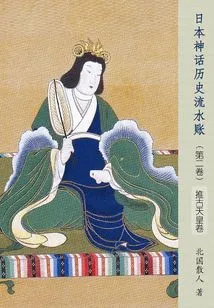
日本神话历史流水账:推古天皇卷(第二卷)
Scattered People From The North
This book is the second volume in the series "Japanese Mythology and History". It tells the story of Japanese history from 592 to 628 AD, focusing on the rise and fall of political affairs. During this period, Japan was in a world of East Asian wars and turmoil. Our country was in the stage when the Sui Dynasty was destroyed by the conquest of Goguryeo, and the Tang Dynasty was resurrected by Li Shimin's bloody battle. From another perspective, it describes in detail how a borderland country relies on Buddhism to assert its royal power and take advantage of opportunities for development. As a laggard in a confusing era, how can we survive and develop? Japan during this period may be useful for reference.
This book is the second volume in the series "Japanese Mythology and History". It tells the story of Japanese history from 592 to 628 AD, focusing on the rise and fall of political affairs. During this period, Japan was in a world of East Asian wars and turmoil. Our country was in the stage when the Sui Dynasty was destroyed by the conquest of Goguryeo, and the Tang Dynasty was resurrected by Li Shimin's bloody battle. From another perspective, it describes in detail how a borderland country relies on Buddhism to assert its royal power and take advantage of opportunities for development. As a laggard in a confusing era, how can we survive and develop? Japan during this period may be useful for reference.
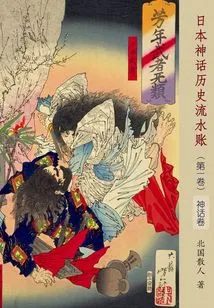
日本神话历史流水账:神话卷(第一卷)
Scattered People From The North
The main content of this book is about Japanese mythology, that is, the story of the ancestors of the Japanese emperor. In chronological order, it talks about the creation of the heaven and the earth, the birth of the ancestor gods, the founding of the foundation, etc. In the narration of the story, many Japanese allusions are naturally introduced, such as the classic "Spears stir up the sea to build the country", "Looking for the dead wife on the road to Huangquan"; "Sister and brother are grudged and the world is dark", "Fighting evil snakes for the sake of beauty"; "Saving kindness on the seaside to save the white rabbit", "Meeting the black rat in the cave"; "Deceiving the father-in-law to elope with his wife", "Fearing the powerful enemy and giving up the country with hatred"; "Throwing one's life into the sea to save the husband", "The dying hero loves his hometown" and so on. This book starts from the creation of heaven and earth, and everything comes from scratch. It does not require readers to have any basic knowledge of Japan. It can be said to be a super basic introductory book for understanding Japanese mythology and Japan. I won't spoil the specific content of the book, so please feel free to flip through it and read it. This is a good introductory book about Japanese mythology. I hope you will gain something from it after reading it.
The main content of this book is about Japanese mythology, that is, the story of the ancestors of the Japanese emperor. In chronological order, it talks about the creation of the heaven and the earth, the birth of the ancestor gods, the founding of the foundation, etc. In the narration of the story, many Japanese allusions are naturally introduced, such as the classic "Spears stir up the sea to build the country", "Looking for the dead wife on the road to Huangquan"; "Sister and brother are grudged and the world is dark", "Fighting evil snakes for the sake of beauty"; "Saving kindness on the seaside to save the white rabbit", "Meeting the black rat in the cave"; "Deceiving the father-in-law to elope with his wife", "Fearing the powerful enemy and giving up the country with hatred"; "Throwing one's life into the sea to save the husband", "The dying hero loves his hometown" and so on. This book starts from the creation of heaven and earth, and everything comes from scratch. It does not require readers to have any basic knowledge of Japan. It can be said to be a super basic introductory book for understanding Japanese mythology and Japan. I won't spoil the specific content of the book, so please feel free to flip through it and read it. This is a good introductory book about Japanese mythology. I hope you will gain something from it after reading it.