Library
Browse and search books
1 novel found
英国现实主义小说中荷兰画派的文化记忆
Roger Parrot
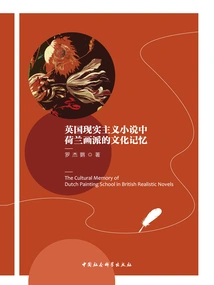
Starting from the dual perspectives of memory and cultural history, this article examines how British realist novels choose to use Dutch paintings and the ideas behind them, and then reveals the fit and interaction between the two. It involves the criticisms of many major art historians, literary historians, and novelists of the 19th century about "Dutch Painting School and British Realist Novels." The Dutch School is characterized by a secular culture of peace, prosperity, wealth and tolerance. It is mixed in British realist novels and participates in the construction of collective memory and community culture. The "human reality" contained in the "realist" thought exactly reflects the aesthetic taste of ordinary citizens (middle class) in the Dutch School. The literary interpretation and cultural memory of the Dutch School in realist novels also reflects this trend. This book is divided into three parts (the evolution of the Dutch painting school and British realist novels), the middle part (the origin of the Dutch painting school and British realist writers), and the second part (the integration of the Dutch painting school and British realist novels). It answers the question of why, what, and how British realist novelists use Dutch paintings to express the nostalgia and nostalgia of the British nation. The psychological appeal of community building proposes three levels of novel text interpretation: the "natural meaning" of the text itself, the reproduction and imitation of the text; the "conventional meaning" of text analysis, the interpretation and metaphor of the meaning; the "cultural code" of text production, where images and text jointly determine the basic elements of nation, era, religion and philosophy. This summarizes and reflects on the novelist's cultural strategy of using images in writing and its cultural innovative significance.
Starting from the dual perspectives of memory and cultural history, this article examines how British realist novels choose to use Dutch paintings and the ideas behind them, and then reveals the fit and interaction between the two. It involves the criticisms of many major art historians, literary historians, and novelists of the 19th century about "Dutch Painting School and British Realist Novels." The Dutch School is characterized by a secular culture of peace, prosperity, wealth and tolerance. It is mixed in British realist novels and participates in the construction of collective memory and community culture. The "human reality" contained in the "realist" thought exactly reflects the aesthetic taste of ordinary citizens (middle class) in the Dutch School. The literary interpretation and cultural memory of the Dutch School in realist novels also reflects this trend. This book is divided into three parts (the evolution of the Dutch painting school and British realist novels), the middle part (the origin of the Dutch painting school and British realist writers), and the second part (the integration of the Dutch painting school and British realist novels). It answers the question of why, what, and how British realist novelists use Dutch paintings to express the nostalgia and nostalgia of the British nation. The psychological appeal of community building proposes three levels of novel text interpretation: the "natural meaning" of the text itself, the reproduction and imitation of the text; the "conventional meaning" of text analysis, the interpretation and metaphor of the meaning; the "cultural code" of text production, where images and text jointly determine the basic elements of nation, era, religion and philosophy. This summarizes and reflects on the novelist's cultural strategy of using images in writing and its cultural innovative significance.