Library
Browse and search novels
10 novels found

一本书读懂月亮与六便士
Qu Xin
This book is based on Somerset Maugham's classic novel "The Moon and Sixpence" and provides an in-depth interpretation of the protagonist Strickland's transformation from a London stockbroker to an artistic martyr through a multi-dimensional perspective. The work is based on the life of the French post-Impressionist painter Gauguin, and analyzes the eternal confrontation between genius and secularity - Strickland's decision to abandon his wife and children and go to Tahiti was not only the awakening of artistic faith, but also a violent rebellion against the shackles of modern civilization. The book combines contemporary issues such as "lying flat" and "involution" to explore the dynamic balance between material survival and spiritual utopia, revealing the untamed idealistic gene in everyone's blood. Through female group portraits, the gender shackles of the Victorian era are revealed, Maugham's literary magic is dismantled with cold narratives, and existential philosophy is used to interrogate the spiritual dilemma of modern people. From the mold stains in the Paris garret to the starry sky in Tahiti, from the metal wail of sixpence to the burning faith in the moon, this book is not only an in-depth decoding of the classics, but also a magic mirror that reflects the soul struggles of contemporary people. Open it and you will understand the courage of Maugham's "Looking up at the moon among six pennies on the ground", and you will also be able to touch the embers of ideals in your heart that have not been extinguished by reality.
This book is based on Somerset Maugham's classic novel "The Moon and Sixpence" and provides an in-depth interpretation of the protagonist Strickland's transformation from a London stockbroker to an artistic martyr through a multi-dimensional perspective. The work is based on the life of the French post-Impressionist painter Gauguin, and analyzes the eternal confrontation between genius and secularity - Strickland's decision to abandon his wife and children and go to Tahiti was not only the awakening of artistic faith, but also a violent rebellion against the shackles of modern civilization. The book combines contemporary issues such as "lying flat" and "involution" to explore the dynamic balance between material survival and spiritual utopia, revealing the untamed idealistic gene in everyone's blood. Through female group portraits, the gender shackles of the Victorian era are revealed, Maugham's literary magic is dismantled with cold narratives, and existential philosophy is used to interrogate the spiritual dilemma of modern people. From the mold stains in the Paris garret to the starry sky in Tahiti, from the metal wail of sixpence to the burning faith in the moon, this book is not only an in-depth decoding of the classics, but also a magic mirror that reflects the soul struggles of contemporary people. Open it and you will understand the courage of Maugham's "Looking up at the moon among six pennies on the ground", and you will also be able to touch the embers of ideals in your heart that have not been extinguished by reality.
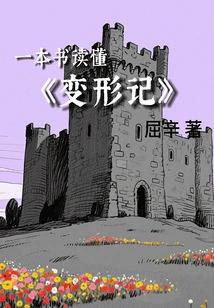
Read "metamorphosis" in One Book
Literature一本书读懂《变形记》
Qu Xin
This book interprets the literary value and practical significance of Kafka's "Metamorphosis", and analyzes the tremors of human nature and philosophy of survival under its absurd appearance. Taking the bizarre setting of Gregor turning into a beetle as an entry point, it reveals the deep dilemma of individual alienation in modern society and shows the existential crisis of human beings in material squeeze and spiritual emptiness. The book focuses on the attitude changes of the Samsa family, analyzing how family relationships accelerate the tragic process of the protagonist; it dismantles Kafka's unique narrative technique, and outlines the unspoken spiritual dilemma through blank spaces and absurd writing methods. Extending from individual tragedy to group allegory, it criticizes the erosion of human nature caused by social alienation. Combined with the current situation of contemporary society, it explores why people are still trapped in the dilemma of "deformation" and explores the potential for redemption hidden in the works, providing modern people with a way of thinking to break through their spiritual dilemma.
This book interprets the literary value and practical significance of Kafka's "Metamorphosis", and analyzes the tremors of human nature and philosophy of survival under its absurd appearance. Taking the bizarre setting of Gregor turning into a beetle as an entry point, it reveals the deep dilemma of individual alienation in modern society and shows the existential crisis of human beings in material squeeze and spiritual emptiness. The book focuses on the attitude changes of the Samsa family, analyzing how family relationships accelerate the tragic process of the protagonist; it dismantles Kafka's unique narrative technique, and outlines the unspoken spiritual dilemma through blank spaces and absurd writing methods. Extending from individual tragedy to group allegory, it criticizes the erosion of human nature caused by social alienation. Combined with the current situation of contemporary society, it explores why people are still trapped in the dilemma of "deformation" and explores the potential for redemption hidden in the works, providing modern people with a way of thinking to break through their spiritual dilemma.

Read "the Myth of Sisyphus" in One Book
Literature一本书读懂《西西弗神话》
Qu Xin
In an era when nihilism is spreading, Albert Camus's "The Myth of Sisyphus" is like an enlightening philosophical antidote. This book analyzes Camus's creative context, revealing how he responded to the dilemmas of the times with keen insight and refined the philosophy of absurdity into a spiritual banner against nothingness. The book dismantles the core proposition of "absurdity" layer by layer, interprets the eternal contradiction between the irrationality of the world and human beings' pursuit of meaning, and re-endows Sisyphus's hard work of pushing a stone up a mountain with modern connotations of freedom and resistance. By exploring Camus's thoughts on existential dilemmas, it demonstrates his philosophical decision to refuse to commit suicide to escape absurdity and instead demonstrate the power of life through action. At the same time, combined with Camus's artistic practice, it analyzes how literature and drama construct meaning in absurdity. This book also focuses on contemporary life, from workplace anxiety to the impact of artificial intelligence, providing profound inspiration and action guidance for modern people to maintain their passion for life and rebuild spiritual beliefs in an uncertain world.
In an era when nihilism is spreading, Albert Camus's "The Myth of Sisyphus" is like an enlightening philosophical antidote. This book analyzes Camus's creative context, revealing how he responded to the dilemmas of the times with keen insight and refined the philosophy of absurdity into a spiritual banner against nothingness. The book dismantles the core proposition of "absurdity" layer by layer, interprets the eternal contradiction between the irrationality of the world and human beings' pursuit of meaning, and re-endows Sisyphus's hard work of pushing a stone up a mountain with modern connotations of freedom and resistance. By exploring Camus's thoughts on existential dilemmas, it demonstrates his philosophical decision to refuse to commit suicide to escape absurdity and instead demonstrate the power of life through action. At the same time, combined with Camus's artistic practice, it analyzes how literature and drama construct meaning in absurdity. This book also focuses on contemporary life, from workplace anxiety to the impact of artificial intelligence, providing profound inspiration and action guidance for modern people to maintain their passion for life and rebuild spiritual beliefs in an uncertain world.
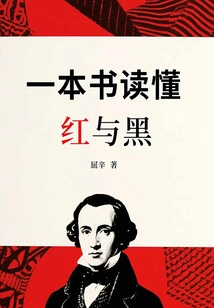
A Book to Understand Red and Black
Literature一本书读懂红与黑
Qu Xin
This book is based on Stendhal's handed down classic, and dismantles this "encyclopedia of human nature in the 19th century" through seven dimensions. The book takes the red passion of the Napoleonic era and the black depression of the Restoration Dynasty as its warp and weft, focusing on the ups and downs of Julien, the son of a carpenter, under the triple strangulation of the church, aristocracy and the bourgeoisie, revealing his soul map torn between ambition and innocence. The book not only analyzes the philosophical confrontation between "red" (the ascending path symbolized by the military uniform) and "black" (the survival law metaphorized by the priest's robe), but also uses a psychological microscope to examine the inner monologue narrative revolution pioneered by Stendhal. It also zooms in on the contemporary era - in the existential predicament of "lying flat" and "involution", Julien's mirror image reflects the existential crisis of modern social animals. By deconstructing the hypocritical masks in the arena of power, the truth of human nature in the game of love, and the paradox of awakening on the guillotine, this book not only restores the power code of French society during the Restoration period, but also builds a dialogue bridge between classic literature and current spiritual dilemmas, allowing readers to touch the eternal warmth of humanity in the textual folds of the 19th century.
This book is based on Stendhal's handed down classic, and dismantles this "encyclopedia of human nature in the 19th century" through seven dimensions. The book takes the red passion of the Napoleonic era and the black depression of the Restoration Dynasty as its warp and weft, focusing on the ups and downs of Julien, the son of a carpenter, under the triple strangulation of the church, aristocracy and the bourgeoisie, revealing his soul map torn between ambition and innocence. The book not only analyzes the philosophical confrontation between "red" (the ascending path symbolized by the military uniform) and "black" (the survival law metaphorized by the priest's robe), but also uses a psychological microscope to examine the inner monologue narrative revolution pioneered by Stendhal. It also zooms in on the contemporary era - in the existential predicament of "lying flat" and "involution", Julien's mirror image reflects the existential crisis of modern social animals. By deconstructing the hypocritical masks in the arena of power, the truth of human nature in the game of love, and the paradox of awakening on the guillotine, this book not only restores the power code of French society during the Restoration period, but also builds a dialogue bridge between classic literature and current spiritual dilemmas, allowing readers to touch the eternal warmth of humanity in the textual folds of the 19th century.
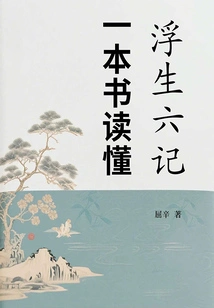
一本书读懂浮生六记
Qu Xin
This book is based on the autobiographical prose of Shen Fu, a scholar in the Qing Dynasty, and deeply decodes this "poetics of life of a commoner scholar". The whole book analyzes the literary genes and era mirrors of "Six Chapters of a Floating Life" from a multi-dimensional perspective: from Shen Fu and Yun Niang's life aesthetics of "making tea with lotus dew and expressing interest on moss and stones" to the survival dilemma of feudal families; from the virtual and real philosophy of Suzhou gardens to the rebirth of the metaverse of classic texts in the digital age, it peels away the spiritual folds of the Qing Dynasty literati. The book not only restores the deep affection of "the joy of the boudoir" and the bleak world of "the ups and downs of sorrow", but also examines the survival wisdom behind "leisure" from a modern perspective - how to refine poetry amidst material hardship and protect authenticity under the shackles of ethics. By interpreting Yun Niang's creative personality of "transforming vulgarity into elegance" and rediscovering the middle path of "traveling in the world without being trapped in it", this book provides contemporary people with a classical prism that reflects the anxiety of survival, reveals the eternal game between elegance and embarrassment, ideals and reality, and ultimately points to the common life issues of all times: planting hope in the cracks, brewing character in the fireworks.
This book is based on the autobiographical prose of Shen Fu, a scholar in the Qing Dynasty, and deeply decodes this "poetics of life of a commoner scholar". The whole book analyzes the literary genes and era mirrors of "Six Chapters of a Floating Life" from a multi-dimensional perspective: from Shen Fu and Yun Niang's life aesthetics of "making tea with lotus dew and expressing interest on moss and stones" to the survival dilemma of feudal families; from the virtual and real philosophy of Suzhou gardens to the rebirth of the metaverse of classic texts in the digital age, it peels away the spiritual folds of the Qing Dynasty literati. The book not only restores the deep affection of "the joy of the boudoir" and the bleak world of "the ups and downs of sorrow", but also examines the survival wisdom behind "leisure" from a modern perspective - how to refine poetry amidst material hardship and protect authenticity under the shackles of ethics. By interpreting Yun Niang's creative personality of "transforming vulgarity into elegance" and rediscovering the middle path of "traveling in the world without being trapped in it", this book provides contemporary people with a classical prism that reflects the anxiety of survival, reveals the eternal game between elegance and embarrassment, ideals and reality, and ultimately points to the common life issues of all times: planting hope in the cracks, brewing character in the fireworks.
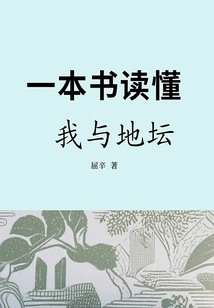
一本书读懂我与地坛
Qu Xin
This book takes Shi Tiesheng's classic collection of essays "The Temple of Earth and Me" as its core, and provides an in-depth analysis of this literary treasure that has been included in Chinese textbooks. Through three major chapters: "Philosophy of Life", "Memories of Mother's Love" and "Image of the Temple of Earth", the book leads readers into the 15-year spiritual dialogue between Shi Tiesheng and the Temple of Earth after his legs were paralyzed. The book not only analyzes the survival epiphany of "you don't have to rush for success", but also deciphers how the mother's secretly following footsteps weave the most forbearing family writing in Chinese literature. Combining the images of vegetation in the Temple of Earth with the cycle of seasons and the life scenes of people coming and going, it shows how the author sublimates personal suffering into the ultimate reflection on the existential plight of all mankind. Specially included are fragments of Shi Tiesheng's precious manuscripts and interpretations by famous writers, building a spiritual bridge for readers to this "pinnacle work of contemporary Chinese prose".
This book takes Shi Tiesheng's classic collection of essays "The Temple of Earth and Me" as its core, and provides an in-depth analysis of this literary treasure that has been included in Chinese textbooks. Through three major chapters: "Philosophy of Life", "Memories of Mother's Love" and "Image of the Temple of Earth", the book leads readers into the 15-year spiritual dialogue between Shi Tiesheng and the Temple of Earth after his legs were paralyzed. The book not only analyzes the survival epiphany of "you don't have to rush for success", but also deciphers how the mother's secretly following footsteps weave the most forbearing family writing in Chinese literature. Combining the images of vegetation in the Temple of Earth with the cycle of seasons and the life scenes of people coming and going, it shows how the author sublimates personal suffering into the ultimate reflection on the existential plight of all mankind. Specially included are fragments of Shi Tiesheng's precious manuscripts and interpretations by famous writers, building a spiritual bridge for readers to this "pinnacle work of contemporary Chinese prose".

一本书读懂《喧哗与骚动》
Qu Xin
This book analyzes the literary charm and contemporary value of Faulkner's classic "The Sound and the Fury". Starting from the labyrinth of deconstructed narratives, it presents a picture of the decline of southern society with a broken mirror image; focusing on characters such as Quentin, Benjy and Jason, it reveals the abyss of human nature behind the family tragedy. The book explores how non-linear narrative breaks traditional time logic and uses memory fragments to reconstruct the reading experience; through Katie's fate and the collapse of the Compson family, it plays an elegy for the spirit of the southern aristocracy. At the same time, the role of the black maid Dilsey is explored to show her significance as a glimmer of humanity and a redemptive force in a chaotic world. The book traces the work's journey from avant-garde experiment to literary monument, explains its eternal value, and combines it with the contemporary context to interpret the forward-looking revelation of this work on the modern spiritual dilemma, highlighting its irreplaceable literary status.
This book analyzes the literary charm and contemporary value of Faulkner's classic "The Sound and the Fury". Starting from the labyrinth of deconstructed narratives, it presents a picture of the decline of southern society with a broken mirror image; focusing on characters such as Quentin, Benjy and Jason, it reveals the abyss of human nature behind the family tragedy. The book explores how non-linear narrative breaks traditional time logic and uses memory fragments to reconstruct the reading experience; through Katie's fate and the collapse of the Compson family, it plays an elegy for the spirit of the southern aristocracy. At the same time, the role of the black maid Dilsey is explored to show her significance as a glimmer of humanity and a redemptive force in a chaotic world. The book traces the work's journey from avant-garde experiment to literary monument, explains its eternal value, and combines it with the contemporary context to interpret the forward-looking revelation of this work on the modern spiritual dilemma, highlighting its irreplaceable literary status.
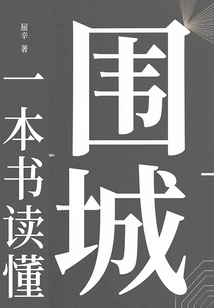
A Book to Understand the Siege
Literature一本书读懂围城
Qu Xin
This book is based on Qian Zhongshu's classic novel and deconstructs the eternal proposition of "fortress under siege" layer by layer. From Fang Hongjian's four emotional entanglements, it reveals the power game of modern intimate relationships, to the cultural inferiority and cross-civilizational division reflected in Clayton's diploma; from the ironic aesthetics revealed by 731 exquisite metaphors, to the self-perception dilemma reflected in the marriage dilemma; and finally extends to the survival revelation of contemporary involution society - academic anxiety, 996 in the workplace, algorithm siege and other realistic mirrors, which form a cross-century resonance with the spiritual dilemma of intellectuals in the Republic of China. This book is not only an in-depth decoding of the text of "Fortress Besieged", but also a prism that shines a light on the spiritual dilemma of modern people. When analyzing the classic paradox of "people in the city want to go out, people outside the city want to come in", it reveals the philosophical possibility of breaking out of the siege dilemma: Only when we reconstruct the perception of time in the digital siege and cultivate subject consciousness in cultural blending can we break the linear fatalism and cultivate the poetic glimmer in the absurd existence. The whole book uses literary criticism as a boat, carrying readers between the texture of the text and the symptoms of the times, completing a deep dialogue from classic interpretation to life enlightenment.
This book is based on Qian Zhongshu's classic novel and deconstructs the eternal proposition of "fortress under siege" layer by layer. From Fang Hongjian's four emotional entanglements, it reveals the power game of modern intimate relationships, to the cultural inferiority and cross-civilizational division reflected in Clayton's diploma; from the ironic aesthetics revealed by 731 exquisite metaphors, to the self-perception dilemma reflected in the marriage dilemma; and finally extends to the survival revelation of contemporary involution society - academic anxiety, 996 in the workplace, algorithm siege and other realistic mirrors, which form a cross-century resonance with the spiritual dilemma of intellectuals in the Republic of China. This book is not only an in-depth decoding of the text of "Fortress Besieged", but also a prism that shines a light on the spiritual dilemma of modern people. When analyzing the classic paradox of "people in the city want to go out, people outside the city want to come in", it reveals the philosophical possibility of breaking out of the siege dilemma: Only when we reconstruct the perception of time in the digital siege and cultivate subject consciousness in cultural blending can we break the linear fatalism and cultivate the poetic glimmer in the absurd existence. The whole book uses literary criticism as a boat, carrying readers between the texture of the text and the symptoms of the times, completing a deep dialogue from classic interpretation to life enlightenment.
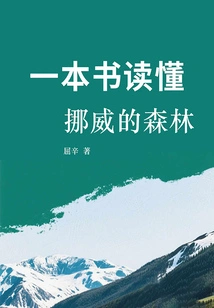
一本书读懂挪威的森林
Qu Xin
This book uses existential philosophy as a scalpel to cut open the spiritual texture of Murakami Haruki's phenomenal novel. Through seven chapters of in-depth interpretation, the book traces Tetsu Watanabe's epiphanies about life and death in funeral parlors, nursing homes, and the streets of Tokyo, decoding Naoko's claustrophobic spiritual universe, Midoriko's noisy survival declaration, and Nagazawa's nihilistic elite mask, and restores the existential dilemma of a generation behind Japan's economic boom in the 1960s. From the suicide scene in Kizuki's garage to the sound of pine waves in Amelia, from Midoriko's burned old bookstore to Reiko's guitar music, the book not only analyzes the philosophical core of "death is not the opposite of life", but also dismantles the mental analgesic effect behind Murakami's iconic jazz language rhythm and black humor. Through the prism of erotic writing, folds of memory and lonely group portraits, it reveals the spiritual wasteland of modern people in an era of material abundance, and how Haruki Murakami transformed Heidegger's "living toward death" into the aesthetics of survival in the Eastern context. This book is not only the ultimate decoding of "Norwegian Wood", but also provides contemporary people with a silver key through the fog of existence.
This book uses existential philosophy as a scalpel to cut open the spiritual texture of Murakami Haruki's phenomenal novel. Through seven chapters of in-depth interpretation, the book traces Tetsu Watanabe's epiphanies about life and death in funeral parlors, nursing homes, and the streets of Tokyo, decoding Naoko's claustrophobic spiritual universe, Midoriko's noisy survival declaration, and Nagazawa's nihilistic elite mask, and restores the existential dilemma of a generation behind Japan's economic boom in the 1960s. From the suicide scene in Kizuki's garage to the sound of pine waves in Amelia, from Midoriko's burned old bookstore to Reiko's guitar music, the book not only analyzes the philosophical core of "death is not the opposite of life", but also dismantles the mental analgesic effect behind Murakami's iconic jazz language rhythm and black humor. Through the prism of erotic writing, folds of memory and lonely group portraits, it reveals the spiritual wasteland of modern people in an era of material abundance, and how Haruki Murakami transformed Heidegger's "living toward death" into the aesthetics of survival in the Eastern context. This book is not only the ultimate decoding of "Norwegian Wood", but also provides contemporary people with a silver key through the fog of existence.
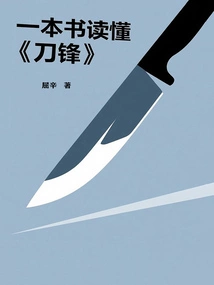
Read "blade" with One Book
Literature一本书读懂《刀锋》
Qu Xin
When Somerset Maugham's "Blade" encounters the existential dilemma of the cyber era, this book uses a "spiritual scalpel" to dissect the contemporary value of this classic. From workplace burnout to social masks, from criticism of consumerism to existential anxiety under the impact of AI, the author builds a time-space tunnel between the secret realm of literature and the desert of reality: you will see Larry's hard study in the Chicago library and the "paid fishing" of contemporary workers as mirror images of each other. Eliot's aristocratic dream is transformed into the exquisite characters of Little Red Book, and the ultimate question that ChatGPT cannot answer is still faintly echoing in the coal mine lanes. The book not only provides a scalpel-like analysis of the details of the text, but also melts philosophical speculation into a survival strategy to fight against alienation - in today's era dominated by algorithms, how can one maintain "uncalculated sobriety" like Larry? This self-help guide for the confused makes classic literature a magic mirror that reflects on the illnesses of the times, and a sharp blade that cuts through the fog of life.
When Somerset Maugham's "Blade" encounters the existential dilemma of the cyber era, this book uses a "spiritual scalpel" to dissect the contemporary value of this classic. From workplace burnout to social masks, from criticism of consumerism to existential anxiety under the impact of AI, the author builds a time-space tunnel between the secret realm of literature and the desert of reality: you will see Larry's hard study in the Chicago library and the "paid fishing" of contemporary workers as mirror images of each other. Eliot's aristocratic dream is transformed into the exquisite characters of Little Red Book, and the ultimate question that ChatGPT cannot answer is still faintly echoing in the coal mine lanes. The book not only provides a scalpel-like analysis of the details of the text, but also melts philosophical speculation into a survival strategy to fight against alienation - in today's era dominated by algorithms, how can one maintain "uncalculated sobriety" like Larry? This self-help guide for the confused makes classic literature a magic mirror that reflects on the illnesses of the times, and a sharp blade that cuts through the fog of life.