Library
Browse and search books
1 novel found
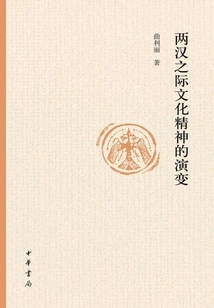
两汉之际文化精神的演变
Qu Lili
Based on a comprehensive review of political, classics, thought, literature and other literature, this book believes that the cultural spirit during the Han Dynasty changed from "sage king" to "king sage". The so-called "saint king" means that only saints are worthy of being called kings. The legitimacy of royal power comes from the holy virtues that bring benefits to all people. Its core is to protect the people and be king, and the world is public. "King-sage" is a political concept reshaped by the power class of the Eastern Han Dynasty: the emperor is a saint. The emperor not only possesses the highest power bestowed by God, but also possesses divine charisma, integrating political and Taoist traditions. The shift from "sage kings" to "sage kings" is a major change in the history of thought: the cultural spirit of "sage kings" inherited from the pre-Qin Dynasty, and surged with the impulse to transform reality with ideas in the chaos and fantasy. Its end means the end of the ancient cultural spirit; the spirit of "sage kings" in the Eastern Han Dynasty opened up medieval thought, and thinkers no longer tried to transform reality, but worked hard to adapt to it.
Based on a comprehensive review of political, classics, thought, literature and other literature, this book believes that the cultural spirit during the Han Dynasty changed from "sage king" to "king sage". The so-called "saint king" means that only saints are worthy of being called kings. The legitimacy of royal power comes from the holy virtues that bring benefits to all people. Its core is to protect the people and be king, and the world is public. "King-sage" is a political concept reshaped by the power class of the Eastern Han Dynasty: the emperor is a saint. The emperor not only possesses the highest power bestowed by God, but also possesses divine charisma, integrating political and Taoist traditions. The shift from "sage kings" to "sage kings" is a major change in the history of thought: the cultural spirit of "sage kings" inherited from the pre-Qin Dynasty, and surged with the impulse to transform reality with ideas in the chaos and fantasy. Its end means the end of the ancient cultural spirit; the spirit of "sage kings" in the Eastern Han Dynasty opened up medieval thought, and thinkers no longer tried to transform reality, but worked hard to adapt to it.