Library
Browse and search books
1 novel found
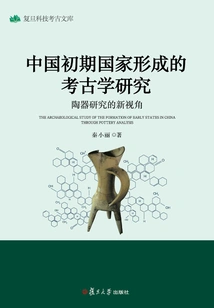
Archaeological Study of Early State Formation in China: a New Perspective on Pottery Research
History中国初期国家形成的考古学研究:陶器研究的新视角
Qin Xiaoli
Regarding the archaeological research on the formation process of China's early state, traditional research methods are mostly based on the cultural types of pottery and relevant historical materials of the Xia and Shang (Yin) dynasties recorded in documents after the Warring States period. However, due to the emergence of a large amount of field archaeological data, analyzing basic data from an archaeological perspective and using unique archaeological methods can correct the credibility of historical records and avoid the limitations of a single research method. The author of this book divides various regions in the Erlitou and Erligang cultural periods into six major regions based on pottery styles. He uses quantitative analysis methods to calculate the overall changing trend of the composition ratio of each pottery system in each site, and uses these data to analyze the changes in pottery styles in time and space, so as to explain the dynamic relationship between regions in the formation period of the country.
Regarding the archaeological research on the formation process of China's early state, traditional research methods are mostly based on the cultural types of pottery and relevant historical materials of the Xia and Shang (Yin) dynasties recorded in documents after the Warring States period. However, due to the emergence of a large amount of field archaeological data, analyzing basic data from an archaeological perspective and using unique archaeological methods can correct the credibility of historical records and avoid the limitations of a single research method. The author of this book divides various regions in the Erlitou and Erligang cultural periods into six major regions based on pottery styles. He uses quantitative analysis methods to calculate the overall changing trend of the composition ratio of each pottery system in each site, and uses these data to analyze the changes in pottery styles in time and space, so as to explain the dynamic relationship between regions in the formation period of the country.