Library
Browse and search books
14 novels found
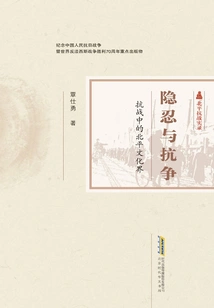
隐忍与抗争:抗战中的北平文化界
Qin Shiyong
During the Anti-Japanese War, in order to preserve their cultural heritage, almost all major universities chose to move inland. The stories of universities such as Southwest Associated University that moved inland are well known. However, little is known about the professors and students who stayed in Peiping. Similarly, not much is known about the situation in the literary and artistic circles, calligraphy and painting circles, etc. During the period of occupation. This book strives to fill the gaps in this area and unearth little-known historical deeds based on various historical facts. This book focuses on the Liuping professors in Peiping during the Anti-Japanese War, the left-behind artists in the literary and art circles, the protection and transfer of collections of materials and cultural relics, etc. Through a series of little-known past events, it shows the special journey of intellectuals in the war environment.
During the Anti-Japanese War, in order to preserve their cultural heritage, almost all major universities chose to move inland. The stories of universities such as Southwest Associated University that moved inland are well known. However, little is known about the professors and students who stayed in Peiping. Similarly, not much is known about the situation in the literary and artistic circles, calligraphy and painting circles, etc. During the period of occupation. This book strives to fill the gaps in this area and unearth little-known historical deeds based on various historical facts. This book focuses on the Liuping professors in Peiping during the Anti-Japanese War, the left-behind artists in the literary and art circles, the protection and transfer of collections of materials and cultural relics, etc. Through a series of little-known past events, it shows the special journey of intellectuals in the war environment.
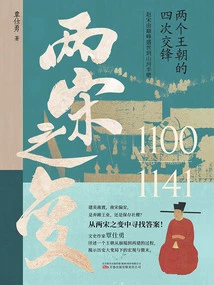
两宋之变
Qin Shiyong
The book depicts the history of the confrontation between the north and the south from Huizong Zhao Ji's accession to the throne in the first month of 1100 to the Shaoxing peace talks between the Song and Jin Dynasties in 1141. It shows the whole process of the Northern Song Dynasty's empire from prosperity to decline, rapid decline, and eventual destruction, as well as the Southern Song Dynasty's soldiers and civilians resisting step by step, and finally establishing a foothold in the peaceful corner of the south of the Yangtze River. The book has nine chapters in total, which introduce the plots of Zhao Ji's succession to the throne, Song Dynasty and Jin Dynasty's resistance to Liao Dynasty, the first defense battle of Bianjing, the humiliation of Jingkang, the establishment of the Southern Song Dynasty, the march of Jin soldiers south, the Sichuan-Shaanxi War, the alliance of Jin Dynasty and Qi to attack Song Dynasty, the Song Dynasty's counterattack, and the confrontation between the north and the south. This book has a grand narrative, a rigorous structure, and a plain writing style. From an objective perspective, it narrates the generous tragic song of the desperate resistance of the soldiers and civilians during the fall of the Northern Song Dynasty. Scenes of historical dramas were staged that made people burst into laughter, raise their eyebrows, or make people shed tears and sigh. It depicts vivid images of Song Huizong Zhao Ji, Song Gaozong Zhao Gou, Li Wanyan Zongbi, Li Gang, Zhang Jun, etc. It also depicts the plots of traitorous officials in the court in the late Northern Song Dynasty who brought chaos to the country, the monarch's short-sighted military and repeated military failures, and the patriotic soldiers and civilians desperately resisting the Jin soldiers, etc., Which can trigger readers' profound thinking about the rise and fall of chaos.
The book depicts the history of the confrontation between the north and the south from Huizong Zhao Ji's accession to the throne in the first month of 1100 to the Shaoxing peace talks between the Song and Jin Dynasties in 1141. It shows the whole process of the Northern Song Dynasty's empire from prosperity to decline, rapid decline, and eventual destruction, as well as the Southern Song Dynasty's soldiers and civilians resisting step by step, and finally establishing a foothold in the peaceful corner of the south of the Yangtze River. The book has nine chapters in total, which introduce the plots of Zhao Ji's succession to the throne, Song Dynasty and Jin Dynasty's resistance to Liao Dynasty, the first defense battle of Bianjing, the humiliation of Jingkang, the establishment of the Southern Song Dynasty, the march of Jin soldiers south, the Sichuan-Shaanxi War, the alliance of Jin Dynasty and Qi to attack Song Dynasty, the Song Dynasty's counterattack, and the confrontation between the north and the south. This book has a grand narrative, a rigorous structure, and a plain writing style. From an objective perspective, it narrates the generous tragic song of the desperate resistance of the soldiers and civilians during the fall of the Northern Song Dynasty. Scenes of historical dramas were staged that made people burst into laughter, raise their eyebrows, or make people shed tears and sigh. It depicts vivid images of Song Huizong Zhao Ji, Song Gaozong Zhao Gou, Li Wanyan Zongbi, Li Gang, Zhang Jun, etc. It also depicts the plots of traitorous officials in the court in the late Northern Song Dynasty who brought chaos to the country, the monarch's short-sighted military and repeated military failures, and the patriotic soldiers and civilians desperately resisting the Jin soldiers, etc., Which can trigger readers' profound thinking about the rise and fall of chaos.
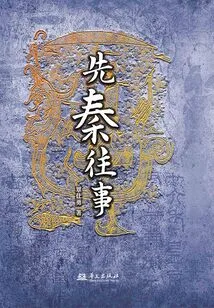
Pre-qin Past Events
History先秦往事
Qin Shiyong
China has five thousand years of splendid civilization. However, among the five thousand years of civilization history, the development process of more than two thousand years from Qin and Han Dynasties is better known to people, while before the Qin Dynasty, which is what we often call "pre-Qin" history, people know relatively little. In a broad sense, "Pre-Qin" includes three eras: mistrust, semi-belief and history. The historical materials are barren and it is difficult to get a complete picture. The public of later generations often miss the point and are at a loss when understanding the history of Pre-Qin. This book starts from the aspects of archeology and historical data analysis, and presents a pre-Qin historical picture that is relatively close to the original historical appearance in front of readers. It aims to promote the splendid Chinese culture and writes history in a unique way, allowing readers to gain knowledge in pleasure, thereby enhancing the self-confidence of the Chinese nation.
China has five thousand years of splendid civilization. However, among the five thousand years of civilization history, the development process of more than two thousand years from Qin and Han Dynasties is better known to people, while before the Qin Dynasty, which is what we often call "pre-Qin" history, people know relatively little. In a broad sense, "Pre-Qin" includes three eras: mistrust, semi-belief and history. The historical materials are barren and it is difficult to get a complete picture. The public of later generations often miss the point and are at a loss when understanding the history of Pre-Qin. This book starts from the aspects of archeology and historical data analysis, and presents a pre-Qin historical picture that is relatively close to the original historical appearance in front of readers. It aims to promote the splendid Chinese culture and writes history in a unique way, allowing readers to gain knowledge in pleasure, thereby enhancing the self-confidence of the Chinese nation.
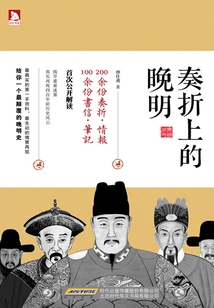
奏折上的晚明
Qin Shiyong
The late Ming Dynasty in the memorial describes the history of the late Ming Dynasty from Wanli to Chongzhen. What is different from previous Ming Dynasty history books is that this book takes a new approach, starting from original texts such as memorials, edicts, emperor's edicts, and letters between ministers. It uses a large amount of first-hand information, multiple angles and aspects, to restore a true late Ming Dynasty in detail. This book is not an official history, and official history will only gloss over its faults. This book is not a joke, and a joke cannot be considered history. This book uses the most authentic documents and the most vivid descriptions to give you the most subversive history of the late Ming Dynasty.
The late Ming Dynasty in the memorial describes the history of the late Ming Dynasty from Wanli to Chongzhen. What is different from previous Ming Dynasty history books is that this book takes a new approach, starting from original texts such as memorials, edicts, emperor's edicts, and letters between ministers. It uses a large amount of first-hand information, multiple angles and aspects, to restore a true late Ming Dynasty in detail. This book is not an official history, and official history will only gloss over its faults. This book is not a joke, and a joke cannot be considered history. This book uses the most authentic documents and the most vivid descriptions to give you the most subversive history of the late Ming Dynasty.
Counselors Are Everywhere
History谋士纵横
Qin Shiyong
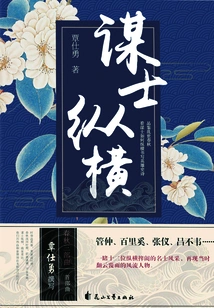
The Spring and Autumn Period and the Warring States Period were an era of unprecedented ideological liberation under great changes, and an era when heroes emerged in large numbers. If the overlords of the Spring and Autumn and Warring States periods were all great heroes, then the outstanding politicians who helped these overlords govern the country were sages. If you understand these overlords, especially these politicians, you will also understand the entire Spring and Autumn and Warring States era. Through the description of Guan Zhong, Shang Yang, Li Si, Baili Xi and other characters, this book reveals the heroic stories of those who turned their backhand into clouds and turned their hands into rain.
The Spring and Autumn Period and the Warring States Period were an era of unprecedented ideological liberation under great changes, and an era when heroes emerged in large numbers. If the overlords of the Spring and Autumn and Warring States periods were all great heroes, then the outstanding politicians who helped these overlords govern the country were sages. If you understand these overlords, especially these politicians, you will also understand the entire Spring and Autumn and Warring States era. Through the description of Guan Zhong, Shang Yang, Li Si, Baili Xi and other characters, this book reveals the heroic stories of those who turned their backhand into clouds and turned their hands into rain.
Light and Death
History明灭
Qin Shiyong
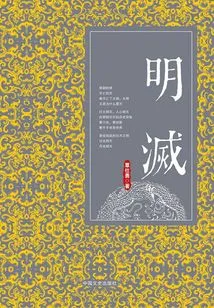
The late Ming Dynasty and the early Qing Dynasty were an era of great change and turmoil. In just a few decades, wars continued and wars were everywhere. Thousands of people were reduced to ashes, and trillions of creatures were reduced to withered bones. In this context, Zhang Xianzhong, Li Zicheng, Wu Sangui, Geng Jingzhong, Shang Kexi, Kong Youde, Dorgon, Ma Shiying, Zuo Maodi, Ruan Dacheng, Li Xiangjun, Hou Fangyu, Qian Qianyi, Liu Rushi, Shi Kefa, Gao Jie, Xia Wanchun, Chen Zilong, Li Chengdong, Zhang Mingzhen, Qu Shiqi, Zhang Tongchang, Zheng Zhilong, Zheng Chenggong, Zhang Huangyan and many other famous figures in history have stepped onto the stage of history in their own unique manners, performing heart-wrenching and generous elegies of the times. In the test of blood and fire, knives and swords, they are either frontier ministers, frontier generals who have fought many battles, civilian scribes, rough heroes, or even traffickers, prostitutes and beggars. They all have to face the cruel reality and make their fateful choices. Heroes and traitors often can kill themselves in a flash of thought. If they survive, they will be famous throughout the ages. If they cannot avoid it, they will become treacherous and become notorious. This book takes national justice and moral values as the orientation of loyalty, good and evil, and right and wrong. Through analyzing the human nature of each of them, it conducts historical torture, praises the noble patriotic sentiments of people with lofty ideals, and exposes and criticizes shameless traitorous behavior.
The late Ming Dynasty and the early Qing Dynasty were an era of great change and turmoil. In just a few decades, wars continued and wars were everywhere. Thousands of people were reduced to ashes, and trillions of creatures were reduced to withered bones. In this context, Zhang Xianzhong, Li Zicheng, Wu Sangui, Geng Jingzhong, Shang Kexi, Kong Youde, Dorgon, Ma Shiying, Zuo Maodi, Ruan Dacheng, Li Xiangjun, Hou Fangyu, Qian Qianyi, Liu Rushi, Shi Kefa, Gao Jie, Xia Wanchun, Chen Zilong, Li Chengdong, Zhang Mingzhen, Qu Shiqi, Zhang Tongchang, Zheng Zhilong, Zheng Chenggong, Zhang Huangyan and many other famous figures in history have stepped onto the stage of history in their own unique manners, performing heart-wrenching and generous elegies of the times. In the test of blood and fire, knives and swords, they are either frontier ministers, frontier generals who have fought many battles, civilian scribes, rough heroes, or even traffickers, prostitutes and beggars. They all have to face the cruel reality and make their fateful choices. Heroes and traitors often can kill themselves in a flash of thought. If they survive, they will be famous throughout the ages. If they cannot avoid it, they will become treacherous and become notorious. This book takes national justice and moral values as the orientation of loyalty, good and evil, and right and wrong. Through analyzing the human nature of each of them, it conducts historical torture, praises the noble patriotic sentiments of people with lofty ideals, and exposes and criticizes shameless traitorous behavior.
熬通宵也要读完的大清史
Qin Shiyong
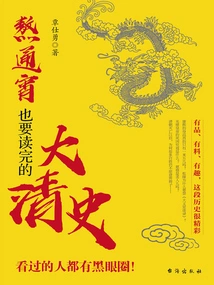
Is Kangxi really only a little over 1.5 Meters tall? Why did Qianlong ban "Dayi Mijuelu"? What was the cause of Emperor Guangxu's death? Is Cixi a beauty? After the fall of the Qing Dynasty, why are many people still unwilling to cut their braids... With novel viewpoints and humorous words, the new book by the famous Sina blogger and headliner Qin Shiyong is a hot seller, making you want to stop and stay up all night to read it!
Is Kangxi really only a little over 1.5 Meters tall? Why did Qianlong ban "Dayi Mijuelu"? What was the cause of Emperor Guangxu's death? Is Cixi a beauty? After the fall of the Qing Dynasty, why are many people still unwilling to cut their braids... With novel viewpoints and humorous words, the new book by the famous Sina blogger and headliner Qin Shiyong is a hot seller, making you want to stop and stay up all night to read it!
熬通宵也要读完的大元史
Qin Shiyong
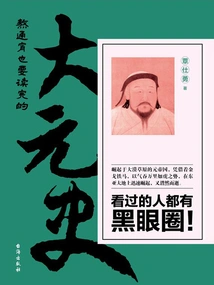
The Yuan Dynasty was the first unified dynasty established by ethnic minorities in Chinese history. The Yuan Empire, which arose in the desert grasslands, quickly rose and died in East Asia with the power of a mighty tiger. As a result of conquering the vast Eurasian region and actively absorbing the strengths of multiple civilizations, the Yuan Dynasty's commodity economy and overseas trade were relatively prosperous, promoting exchanges between Chinese and foreign cultures. Culture has also developed towards diversification, and cultural forms such as Yuan opera and Sanqu have enriched the connotation of Chinese culture. This book comprehensively presents the historical features of the Yuan Empire and outlines the rise and fall of this huge empire in Chinese history.
The Yuan Dynasty was the first unified dynasty established by ethnic minorities in Chinese history. The Yuan Empire, which arose in the desert grasslands, quickly rose and died in East Asia with the power of a mighty tiger. As a result of conquering the vast Eurasian region and actively absorbing the strengths of multiple civilizations, the Yuan Dynasty's commodity economy and overseas trade were relatively prosperous, promoting exchanges between Chinese and foreign cultures. Culture has also developed towards diversification, and cultural forms such as Yuan opera and Sanqu have enriched the connotation of Chinese culture. This book comprehensively presents the historical features of the Yuan Empire and outlines the rise and fall of this huge empire in Chinese history.
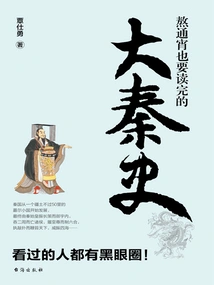
熬通宵也要读完的大秦史
Qin Shiyong
As the first unified dynasty in Chinese history, the Qin Dynasty had a very short history, only fifteen years, but the history of the Qin State was nearly seven hundred years. The Qin State rose up little by little from a small country with a territory of no more than fifty miles. In the end, Qin Shihuang launched a long-term strategy to control the inner world, swallowed up the princes for two weeks, acted as the supreme and controlled the Liuhe, beat and beat the world, and became powerful all over the world. How arduous the process was, and how spectacular the life and death test it experienced! This book starts from the beginning of the Qin Dynasty to the end of the Sui Dynasty, trying to paint a panoramic view of the Qin Dynasty so that everyone can have an overall understanding of the development of the Qin Dynasty.
As the first unified dynasty in Chinese history, the Qin Dynasty had a very short history, only fifteen years, but the history of the Qin State was nearly seven hundred years. The Qin State rose up little by little from a small country with a territory of no more than fifty miles. In the end, Qin Shihuang launched a long-term strategy to control the inner world, swallowed up the princes for two weeks, acted as the supreme and controlled the Liuhe, beat and beat the world, and became powerful all over the world. How arduous the process was, and how spectacular the life and death test it experienced! This book starts from the beginning of the Qin Dynasty to the end of the Sui Dynasty, trying to paint a panoramic view of the Qin Dynasty so that everyone can have an overall understanding of the development of the Qin Dynasty.
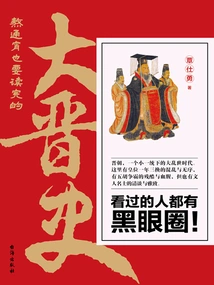
熬通宵也要读完的大晋史
Qin Shiyong
The presence of the Western and Eastern Jin Dynasties in Chinese history is relatively low, especially the Western Jin Dynasty. Although it merged with the three kingdoms of Wei, Shu and Wu, and was known as a unified dynasty, it was full of calculations, and its kingdom was only 51 years old. If it started with the destruction of Dongwu, it would only have been in power for 37 years, which was far from being compared with the Western Han Dynasty. The Kingdom of Zuo in the Eastern Jin Dynasty was a little longer, more than a hundred years old, but it only defended the southern half of the Yangtze River. During the founding of the country, it was in turmoil, with powerful enemies coveting it from outside, and powerful officials inside who were domineering and cowardly. The Eastern Jin Dynasty left a mark in history mainly because of its famous celebrities and the fragrance of calligraphy and painting. In view of this, this book uses heavy ink and color to illustrate the wealth and corruption of the Western Jin Dynasty, and then uses meticulous brushwork to describe the romance and demise of the Eastern Jin Dynasty.
The presence of the Western and Eastern Jin Dynasties in Chinese history is relatively low, especially the Western Jin Dynasty. Although it merged with the three kingdoms of Wei, Shu and Wu, and was known as a unified dynasty, it was full of calculations, and its kingdom was only 51 years old. If it started with the destruction of Dongwu, it would only have been in power for 37 years, which was far from being compared with the Western Han Dynasty. The Kingdom of Zuo in the Eastern Jin Dynasty was a little longer, more than a hundred years old, but it only defended the southern half of the Yangtze River. During the founding of the country, it was in turmoil, with powerful enemies coveting it from outside, and powerful officials inside who were domineering and cowardly. The Eastern Jin Dynasty left a mark in history mainly because of its famous celebrities and the fragrance of calligraphy and painting. In view of this, this book uses heavy ink and color to illustrate the wealth and corruption of the Western Jin Dynasty, and then uses meticulous brushwork to describe the romance and demise of the Eastern Jin Dynasty.
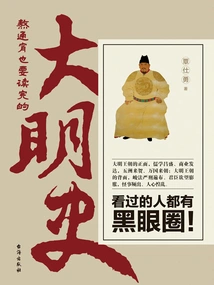
熬通宵也要读完的大明史
Qin Shiyong
This was a dynasty that pushed Confucian civilization to its peak, and it was also a dynasty with highly developed commercial civilization. Five continents came to congratulate, and all the nations came to visit. This was another dynasty with severe laws and severe punishments, and the desires of monarchs and ministers were inflated. In the later period, strange things happened frequently and people were panicked... Finally, it collapsed in 1645 and headed towards the abyss of overturning.
This was a dynasty that pushed Confucian civilization to its peak, and it was also a dynasty with highly developed commercial civilization. Five continents came to congratulate, and all the nations came to visit. This was another dynasty with severe laws and severe punishments, and the desires of monarchs and ministers were inflated. In the later period, strange things happened frequently and people were panicked... Finally, it collapsed in 1645 and headed towards the abyss of overturning.
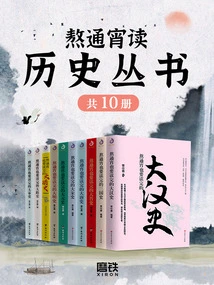
熬通宵读历史丛书(共10册)
Qin Shiyong
The set has 10 volumes in total, including "The History of the Qin Dynasty that needs to be read all night long", "The History of the Han Dynasty that needs to be read even if you stay up all night", "The History of the Three Kingdoms that needs to be read even if you stay up all night", "The History of the Jin Dynasty that needs to be read even if you stay up all night", "The History of the Great Jin Dynasty that needs to be read even if you stay up all night" "The History of the Song Dynasty", "The History of the Sui Dynasty that you need to stay up all night to read", "The History of the Tang Dynasty that you need to stay up all night to read", "The History of the Yuan Dynasty that you need to stay up all night to read", "The History of the Ming Dynasty that you need to stay up all night to read", "The History of the Qing Dynasty that you need to stay up all night to read".
The set has 10 volumes in total, including "The History of the Qin Dynasty that needs to be read all night long", "The History of the Han Dynasty that needs to be read even if you stay up all night", "The History of the Three Kingdoms that needs to be read even if you stay up all night", "The History of the Jin Dynasty that needs to be read even if you stay up all night", "The History of the Great Jin Dynasty that needs to be read even if you stay up all night" "The History of the Song Dynasty", "The History of the Sui Dynasty that you need to stay up all night to read", "The History of the Tang Dynasty that you need to stay up all night to read", "The History of the Yuan Dynasty that you need to stay up all night to read", "The History of the Ming Dynasty that you need to stay up all night to read", "The History of the Qing Dynasty that you need to stay up all night to read".
熬通宵也要读完的大唐史
Qin Shiyong
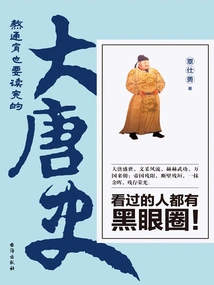
The Tang Dynasty ushered in a prosperous age in Chinese history with its unprecedented splendor and prosperity, with literary talents, illustrious martial arts, and the coming of thousands of nations. However, behind the scenes of the prosperous age was conspiracy and bloodshed, and the prosperity was followed by war and decline. The ruins of the ruins, a glimmer of afterglow, remain of the glory of the prosperous age.
The Tang Dynasty ushered in a prosperous age in Chinese history with its unprecedented splendor and prosperity, with literary talents, illustrious martial arts, and the coming of thousands of nations. However, behind the scenes of the prosperous age was conspiracy and bloodshed, and the prosperity was followed by war and decline. The ruins of the ruins, a glimmer of afterglow, remain of the glory of the prosperous age.
熬通宵也要读完的大隋史
Qin Shiyong
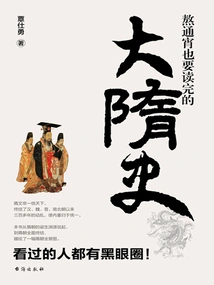
The Sui Dynasty ended the nearly 300-year split since the end of the Western Jin Dynasty, eliminated all kinds of cultural chaos after the Five Husties in China, vigorously promoted Sinicization, and laid a solid foundation for the subsequent development of Tang, Song, and Han culture. When historians govern history, whenever they discuss the culture, economy and various political systems of the Tang Dynasty, they cannot do without the Sui Dynasty. The Sui and Tang Dynasties together are recognized by the world as China's most powerful period. But precisely because the Sui Dynasty was tied to the Tang Dynasty and its own history was too short, it was often ignored by the public. This book starts from the birth and origin of the Sui Dynasty and ends with its complete end. This book uses humorous language to take readers through the majestic prosperity and turmoil of the Sui Dynasty.
The Sui Dynasty ended the nearly 300-year split since the end of the Western Jin Dynasty, eliminated all kinds of cultural chaos after the Five Husties in China, vigorously promoted Sinicization, and laid a solid foundation for the subsequent development of Tang, Song, and Han culture. When historians govern history, whenever they discuss the culture, economy and various political systems of the Tang Dynasty, they cannot do without the Sui Dynasty. The Sui and Tang Dynasties together are recognized by the world as China's most powerful period. But precisely because the Sui Dynasty was tied to the Tang Dynasty and its own history was too short, it was often ignored by the public. This book starts from the birth and origin of the Sui Dynasty and ends with its complete end. This book uses humorous language to take readers through the majestic prosperity and turmoil of the Sui Dynasty.