Library
Browse and search books
2 novels found
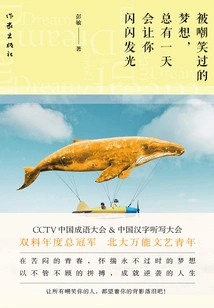
被嘲笑过的梦想,总有一天会让你闪闪发光
Peng Min
Peng Min, known as the "Universal Literary Youth of Peking University", won the first prize in the Peking University Campus Original Novel Competition, the Best Original Award in the Original Poetry Competition, the Weiming Poetry Award, and the first prize in the Wang Moren Novel Award when he was a student at Peking University. This can be called a grand slam in the history of the Chinese Department. Even with such potential as a literary and artistic young man, he could not resist the temptation of rapid success after graduating from college, so he devoted himself to the stock and futures markets and experienced the greatest difficulties in his life.
Peng Min, known as the "Universal Literary Youth of Peking University", won the first prize in the Peking University Campus Original Novel Competition, the Best Original Award in the Original Poetry Competition, the Weiming Poetry Award, and the first prize in the Wang Moren Novel Award when he was a student at Peking University. This can be called a grand slam in the history of the Chinese Department. Even with such potential as a literary and artistic young man, he could not resist the temptation of rapid success after graduating from college, so he devoted himself to the stock and futures markets and experienced the greatest difficulties in his life.
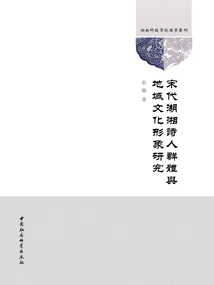
宋代湖湘诗人群体与地域文化形象研究
Peng Min
"Research on the Poets Group and Regional Cultural Image of Huxiang in the Song Dynasty" discusses it from the perspective of poet groups and regional literature. The study of poets focuses on the relationship between people and the poetry creation under this relationship, placing the poet in a specific time and space, and examining the connection between him and the people and environment around him, rather than statically describing the individual poet and his works in isolation. The book discusses the unique characteristics of Huxiang literature in the Song Dynasty from the perspective of regional literature. The first part discusses Hunan through the writings of poets with different identities such as hermits, monks, scholars, and immigrants. Showing Huxiang in the Song Dynasty, the second part examines the regional cultural image of Huxiang in Song poetry from three cultural aspects with unique local characteristics: "Eight Scenes of Xiaoxiang", "Image of Xiaoxiang" and "Xiaoxiang Stone Carvings". In addition, the work pays special attention to local stone inscriptions. Through field investigation and text compilation of stone carving groups in many places in central Hunan, this book has obtained a large amount of first-hand materials, including many precious documents that have not yet been disclosed to the world. In the specific research, the book selects Wuxi, Chaoyangyan and Danyan, which have the most carvings in the Song Dynasty, as the key research objects and discusses them one by one. The author does not treat stone carvings as cold cultural relics, but uses stone carvings to explore the experiences and stories of the people who carved them, presenting a civilization sequence that has been passed down for thousands of years.
"Research on the Poets Group and Regional Cultural Image of Huxiang in the Song Dynasty" discusses it from the perspective of poet groups and regional literature. The study of poets focuses on the relationship between people and the poetry creation under this relationship, placing the poet in a specific time and space, and examining the connection between him and the people and environment around him, rather than statically describing the individual poet and his works in isolation. The book discusses the unique characteristics of Huxiang literature in the Song Dynasty from the perspective of regional literature. The first part discusses Hunan through the writings of poets with different identities such as hermits, monks, scholars, and immigrants. Showing Huxiang in the Song Dynasty, the second part examines the regional cultural image of Huxiang in Song poetry from three cultural aspects with unique local characteristics: "Eight Scenes of Xiaoxiang", "Image of Xiaoxiang" and "Xiaoxiang Stone Carvings". In addition, the work pays special attention to local stone inscriptions. Through field investigation and text compilation of stone carving groups in many places in central Hunan, this book has obtained a large amount of first-hand materials, including many precious documents that have not yet been disclosed to the world. In the specific research, the book selects Wuxi, Chaoyangyan and Danyan, which have the most carvings in the Song Dynasty, as the key research objects and discusses them one by one. The author does not treat stone carvings as cold cultural relics, but uses stone carvings to explore the experiences and stories of the people who carved them, presenting a civilization sequence that has been passed down for thousands of years.