Library
Browse and search books
1 novel found
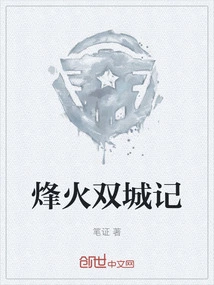
A Tale of Two Cities at War
Military烽火双城记
Pen Certificate
"War Chronicles" is based on the Anti-Japanese War from 1931 to 1945, and tells the story of a group of ordinary people's perseverance and growth in the war. Jiang Ya, a girl from Nanjing, lost her father while fleeing, and moved to Chongqing with her orphans. She used herbs and needlework to stitch up her broken life in a refugee shelter; photojournalist Lin Yu carried a camera through the bombing site, recording the suffering and hope with the lens, and the unspoken concerns were hidden in the film; the soldier Su Ran went from the Nanjing city wall to the Chongqing air raid trenches, using guns and hoes to protect his compatriots, and there were always candies for the children on the scorched earth stepped by military boots. There are also Professor Chen Yu who teaches children how to read in air-raid shelters, Lao Zhou, a boatman who punctuates the night ferry to deliver medicine, and ordinary people who grow wheat in the ruins... They are the glimmer of light in the war: singing "On the Songhua River" in air-raid shelters, planting pomegranate trees during bombing breaks, holding up blood-stained lists on the trial bench, and teaching the word "home" to new children in peacetime. There are no earth-shattering feats, only half a piece of steamed bun handed out in the smoke, cotton gloves warmed in the cold night, and tenacity slowly grown over the years - just like the fog in Chongqing will always lift, and the pomegranate trees in Nanjing will always sprout new shoots from the broken walls. This is a story about suffering and redemption, about the choice between hatred and forgiveness, and about how every ordinary person uses their body temperature to warm up the cold winter and use their faith to survive until the spring in the torrent of the times. When the smoke dissipates, what remains in the memory, in addition to the scars, are the flowers that bloomed in the flames of war: the iron five-pointed star in the palm of the child, the concern in the stitches, and the words that millions of people paid for with their lives - "We are home."
"War Chronicles" is based on the Anti-Japanese War from 1931 to 1945, and tells the story of a group of ordinary people's perseverance and growth in the war. Jiang Ya, a girl from Nanjing, lost her father while fleeing, and moved to Chongqing with her orphans. She used herbs and needlework to stitch up her broken life in a refugee shelter; photojournalist Lin Yu carried a camera through the bombing site, recording the suffering and hope with the lens, and the unspoken concerns were hidden in the film; the soldier Su Ran went from the Nanjing city wall to the Chongqing air raid trenches, using guns and hoes to protect his compatriots, and there were always candies for the children on the scorched earth stepped by military boots. There are also Professor Chen Yu who teaches children how to read in air-raid shelters, Lao Zhou, a boatman who punctuates the night ferry to deliver medicine, and ordinary people who grow wheat in the ruins... They are the glimmer of light in the war: singing "On the Songhua River" in air-raid shelters, planting pomegranate trees during bombing breaks, holding up blood-stained lists on the trial bench, and teaching the word "home" to new children in peacetime. There are no earth-shattering feats, only half a piece of steamed bun handed out in the smoke, cotton gloves warmed in the cold night, and tenacity slowly grown over the years - just like the fog in Chongqing will always lift, and the pomegranate trees in Nanjing will always sprout new shoots from the broken walls. This is a story about suffering and redemption, about the choice between hatred and forgiveness, and about how every ordinary person uses their body temperature to warm up the cold winter and use their faith to survive until the spring in the torrent of the times. When the smoke dissipates, what remains in the memory, in addition to the scars, are the flowers that bloomed in the flames of war: the iron five-pointed star in the palm of the child, the concern in the stitches, and the words that millions of people paid for with their lives - "We are home."