Library
Browse and search books
2 novels found
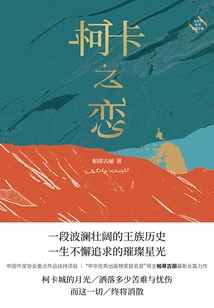
Coca's Love
General Fiction柯卡之恋
Patiguli
The protagonist "Suritan" in the novel is based on Dawuti Maihesuti (1927-2014, vice chairman of the Kuqa County CPPCC of the Xinjiang Uygur Autonomous Region during his lifetime), the twelfth generation "Kucha King" of the Uyghur ethnic group in Xinjiang. "The Love of Koka" is based on such a prototype of China's last hereditary prince. During the creation period, Patiguli went to the Kuqa Palace where the prince lived before his death to collect materials. She lived with the prince's family and friends for nearly a year and a half, and accumulated many precious materials and unusual feelings for the creation.
The protagonist "Suritan" in the novel is based on Dawuti Maihesuti (1927-2014, vice chairman of the Kuqa County CPPCC of the Xinjiang Uygur Autonomous Region during his lifetime), the twelfth generation "Kucha King" of the Uyghur ethnic group in Xinjiang. "The Love of Koka" is based on such a prototype of China's last hereditary prince. During the creation period, Patiguli went to the Kuqa Palace where the prince lived before his death to collect materials. She lived with the prince's family and friends for nearly a year and a half, and accumulated many precious materials and unusual feelings for the creation.
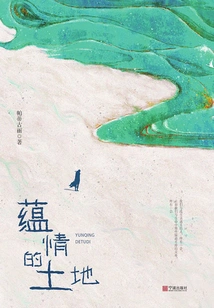
Land of Passion
Literature蕰情的土地
Patiguli
"The Land of Emotion" is a documentary prose that takes the immigration of ethnic minorities as a sample and reflects the unity of the nation. The work depicts the life of ethnic minority peoples such as the Uighurs and Hui in China under the great cultural integration, and shows the mixed cultural pattern formed by the intersection and development of the immigrant ethnic minorities and the local Han culture over thousands of years.
"The Land of Emotion" is a documentary prose that takes the immigration of ethnic minorities as a sample and reflects the unity of the nation. The work depicts the life of ethnic minority peoples such as the Uighurs and Hui in China under the great cultural integration, and shows the mixed cultural pattern formed by the intersection and development of the immigrant ethnic minorities and the local Han culture over thousands of years.