Library
Browse and search books
3 novels found
晚清长篇爱国小说:黄金世界
Owner Of Bihe Pavilion
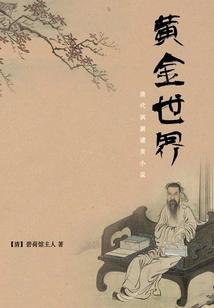
This is a novel in the late Qing Dynasty that describes the anti-Chinese labor ban movement, exposes the crimes of colonialism in persecuting Chinese laborers, and expresses the resistance struggle of Chinese laborers. Readers who are interested in such topics must read this book. On March 17, 1894, China and the United States signed the Treaty to Restrict Chinese Labor in the United States and Protect Chinese Residing in the United States, referred to as the Chinese Labor Treaty. It was an unequal treaty that the U. S. Government forced the Qing government to enter into in order to restrict and exclude Chinese in the United States. This treaty has made the situation of the Chinese in the United States, who have been bullied and abused, even more difficult, arousing strong indignation among the Chinese people. With this incident as the background, this book describes the mistreatment of Chinese workers who went to America, as well as the anti-American ban on Chinese workers in Shanghai and other places to boycott American goods. The content is profound and tragic. The author intends to oppose the "Chinese Labor Treaty" and imperialism, and advocates that the Chinese people share the same hatred of the enemy and jointly resist foreign aggression. Most of the work describes the anti-Chinese labor ban movement in domestic business and academic circles, but the part describing the miserable life and resistance struggle of Chinese laborers is the most meaningful.
This is a novel in the late Qing Dynasty that describes the anti-Chinese labor ban movement, exposes the crimes of colonialism in persecuting Chinese laborers, and expresses the resistance struggle of Chinese laborers. Readers who are interested in such topics must read this book. On March 17, 1894, China and the United States signed the Treaty to Restrict Chinese Labor in the United States and Protect Chinese Residing in the United States, referred to as the Chinese Labor Treaty. It was an unequal treaty that the U. S. Government forced the Qing government to enter into in order to restrict and exclude Chinese in the United States. This treaty has made the situation of the Chinese in the United States, who have been bullied and abused, even more difficult, arousing strong indignation among the Chinese people. With this incident as the background, this book describes the mistreatment of Chinese workers who went to America, as well as the anti-American ban on Chinese workers in Shanghai and other places to boycott American goods. The content is profound and tragic. The author intends to oppose the "Chinese Labor Treaty" and imperialism, and advocates that the Chinese people share the same hatred of the enemy and jointly resist foreign aggression. Most of the work describes the anti-Chinese labor ban movement in domestic business and academic circles, but the part describing the miserable life and resistance struggle of Chinese laborers is the most meaningful.
Golden World
General Fiction黄金世界
Owner Of Bihe Pavilion
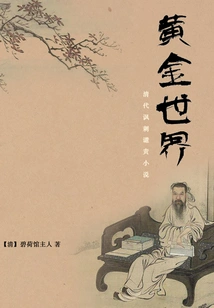
On March 17, 1894, China and the United States signed the Treaty to Restrict Chinese Labor in the United States and Protect Chinese Residing in the United States, referred to as the Chinese Labor Treaty. It was an unequal treaty that the U. S. Government forced the Qing government to enter into in order to restrict and exclude Chinese in the United States. This treaty has made the situation of the Chinese in the United States, who have been bullied and abused, even more difficult, arousing strong indignation among the Chinese people. This book has twenty chapters in total. With this incident as the background, it covers three aspects: the abuse of Chinese workers who went to America, and the situation of anti-American Chinese workers in Shanghai and other places banning contracts and boycotting American goods. The content is profound and tragic. The author intends to oppose the "Chinese Labor Treaty" and imperialism, and advocates that the Chinese people share the same hatred of the enemy and jointly resist foreign aggression.
On March 17, 1894, China and the United States signed the Treaty to Restrict Chinese Labor in the United States and Protect Chinese Residing in the United States, referred to as the Chinese Labor Treaty. It was an unequal treaty that the U. S. Government forced the Qing government to enter into in order to restrict and exclude Chinese in the United States. This treaty has made the situation of the Chinese in the United States, who have been bullied and abused, even more difficult, arousing strong indignation among the Chinese people. This book has twenty chapters in total. With this incident as the background, it covers three aspects: the abuse of Chinese workers who went to America, and the situation of anti-American Chinese workers in Shanghai and other places banning contracts and boycotting American goods. The content is profound and tragic. The author intends to oppose the "Chinese Labor Treaty" and imperialism, and advocates that the Chinese people share the same hatred of the enemy and jointly resist foreign aggression.
New Era
General Fiction新纪元
Owner Of Bihe Pavilion
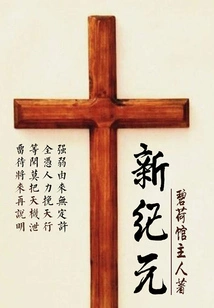
This book is a science fiction novel written by the owner of Bihe Pavilion during the Qing Dynasty. The story described in it is set in 1999, the end of the century. At this time, New China was already one of the world's leading powers: Politically, it had "already switched to a constitutional system of government." There were parliaments in each central region, and "all the places that had been leased by other countries through force had been taken back." It had a population of 1,000 billion and an army of 6 million. China's power aroused the suspicion and joint resistance of white countries. At this time, disputes broke out between the yellow people of Xiongnu descent and the white people of European descent in the European Hungarian Kingdom. The war ended and China entered the "new era" as a victor. Readers can marvel at the author's imagination at that time. As a popular "scientific novel" in the late Qing Dynasty, the author used his strong imagination to imagine a future war between the already prosperous China and the Caucasian Alliance, which is quite rich in connotation.
This book is a science fiction novel written by the owner of Bihe Pavilion during the Qing Dynasty. The story described in it is set in 1999, the end of the century. At this time, New China was already one of the world's leading powers: Politically, it had "already switched to a constitutional system of government." There were parliaments in each central region, and "all the places that had been leased by other countries through force had been taken back." It had a population of 1,000 billion and an army of 6 million. China's power aroused the suspicion and joint resistance of white countries. At this time, disputes broke out between the yellow people of Xiongnu descent and the white people of European descent in the European Hungarian Kingdom. The war ended and China entered the "new era" as a victor. Readers can marvel at the author's imagination at that time. As a popular "scientific novel" in the late Qing Dynasty, the author used his strong imagination to imagine a future war between the already prosperous China and the Caucasian Alliance, which is quite rich in connotation.