Library
Browse and search novels
1 novel found
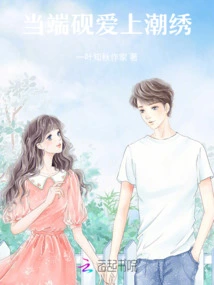
当端砚爱上潮绣
One Leaf Knows Autumn Writer
The most beautiful encounters in the world happen where the latitude and longitude intersect. I always have this picture in my mind: at dusk in autumn, Kapok kapok is in full bloom, and its petals fall on the blue brick ground. In the old courtyard of Xiaozhou Village, he walked from under the tree, holding a wine glass and looking at the flowers quietly. She ran through the crowd, her laughter like wind chimes, pink petals falling on her shoulders. One is a senior and the other is a junior who has just entered school. At that moment, they didn't know each other's names, but fate had already drawn a latitude and longitude under the flowers. After that, they took shelter from the rain in the pavilion at the central lake. The surface of the lake after the rain looks like eyes that have just cried. He said that data can translate beauty. She said, let's go together. The two young people who could understand this silent conversation started a spiritual encounter that started from the mountains and rivers and returned to the mountains and seas. Choice always requires courage. Choosing a person is choosing a life. Someone comes with a mature business plan, saying "I can see further than you" and "knowing the basics". Someone didn't say anything, just held her hand gently under the table and said, "Which way you choose is up to you." She stood at the juncture of choice, facing not only two people, but also two futures. One is the "more suitable" road in the eyes of others, smooth, stable, and recognized by the family; the other is the person she chose, silent and willing to accompany her to build the road. Thank you for entering this world composed of inkstone and embroidery, mountains and sea. May the story of Shen Mochuan and Ye Zhijin make you believe that all the beautiful encounters in the world are worth using the sincerity from the bottom of your heart and the effort of your hands to slowly weave them into a unique brocade of your own.
The most beautiful encounters in the world happen where the latitude and longitude intersect. I always have this picture in my mind: at dusk in autumn, Kapok kapok is in full bloom, and its petals fall on the blue brick ground. In the old courtyard of Xiaozhou Village, he walked from under the tree, holding a wine glass and looking at the flowers quietly. She ran through the crowd, her laughter like wind chimes, pink petals falling on her shoulders. One is a senior and the other is a junior who has just entered school. At that moment, they didn't know each other's names, but fate had already drawn a latitude and longitude under the flowers. After that, they took shelter from the rain in the pavilion at the central lake. The surface of the lake after the rain looks like eyes that have just cried. He said that data can translate beauty. She said, let's go together. The two young people who could understand this silent conversation started a spiritual encounter that started from the mountains and rivers and returned to the mountains and seas. Choice always requires courage. Choosing a person is choosing a life. Someone comes with a mature business plan, saying "I can see further than you" and "knowing the basics". Someone didn't say anything, just held her hand gently under the table and said, "Which way you choose is up to you." She stood at the juncture of choice, facing not only two people, but also two futures. One is the "more suitable" road in the eyes of others, smooth, stable, and recognized by the family; the other is the person she chose, silent and willing to accompany her to build the road. Thank you for entering this world composed of inkstone and embroidery, mountains and sea. May the story of Shen Mochuan and Ye Zhijin make you believe that all the beautiful encounters in the world are worth using the sincerity from the bottom of your heart and the effort of your hands to slowly weave them into a unique brocade of your own.