Library
Browse and search books
2 novels found
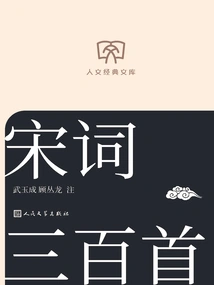
宋词三百首(人文经典文库)
Note By Wu Yucheng And Gu Conglong
Ci, which emerged in the Tang Dynasty and flourished in the Song Dynasty, is a new style of lyric poetry that can be sung with music. It is a literary style that is loved by people and is also a representative style of Song Dynasty literature. Selected editions of Song poetry existed in the Song Dynasty. However, the most influential one is "Three Hundred Song Ci Poems" written in the late Qing Dynasty. The book was written in the late Qing Dynasty. Initially, Zhu Zumou selected 87 poets and 300 poems from many Song poems and compiled it. After several revisions and deletions, it was determined to be 82 poets and 285 poems. This time, different versions of "Three Hundred Song Ci" are compiled into one volume, with 88 poets and 313 poems. Please make brief annotations. The focus is on the explanation of difficult words, explanations of classics, and explanations of poetry and poetry. It absorbs the annotation results of sages and current sages to facilitate readers' use.
Ci, which emerged in the Tang Dynasty and flourished in the Song Dynasty, is a new style of lyric poetry that can be sung with music. It is a literary style that is loved by people and is also a representative style of Song Dynasty literature. Selected editions of Song poetry existed in the Song Dynasty. However, the most influential one is "Three Hundred Song Ci Poems" written in the late Qing Dynasty. The book was written in the late Qing Dynasty. Initially, Zhu Zumou selected 87 poets and 300 poems from many Song poems and compiled it. After several revisions and deletions, it was determined to be 82 poets and 285 poems. This time, different versions of "Three Hundred Song Ci" are compiled into one volume, with 88 poets and 313 poems. Please make brief annotations. The focus is on the explanation of difficult words, explanations of classics, and explanations of poetry and poetry. It absorbs the annotation results of sages and current sages to facilitate readers' use.
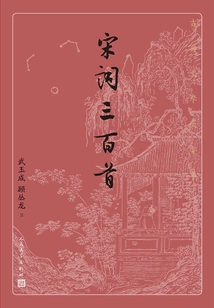
Three Hundred Song Poems
Literature宋词三百首
Note By Wu Yucheng And Gu Conglong
Ci, which emerged in the Tang Dynasty and flourished in the Song Dynasty, is a new style of lyric poetry that can be sung with music. It is a literary style that is loved by people and is also a representative style of Song Dynasty literature. Selected editions of Song poetry existed in the Song Dynasty. However, the most influential one is "Three Hundred Song Ci Poems" written in the late Qing Dynasty. The book was written in the late Qing Dynasty. Initially, Zhu Zumou selected 87 poets and 300 poems from many Song poems and compiled it. After several revisions and deletions, it was determined to be 82 poets and 285 poems. This time, different versions of "Three Hundred Song Ci" are compiled into one volume, with 88 poets and 313 poems. Please make brief annotations. The focus is on the explanation of difficult words, explanations of classics, and explanations of poetry and poetry. It absorbs the annotation results of sages and current sages to facilitate readers' use.
Ci, which emerged in the Tang Dynasty and flourished in the Song Dynasty, is a new style of lyric poetry that can be sung with music. It is a literary style that is loved by people and is also a representative style of Song Dynasty literature. Selected editions of Song poetry existed in the Song Dynasty. However, the most influential one is "Three Hundred Song Ci Poems" written in the late Qing Dynasty. The book was written in the late Qing Dynasty. Initially, Zhu Zumou selected 87 poets and 300 poems from many Song poems and compiled it. After several revisions and deletions, it was determined to be 82 poets and 285 poems. This time, different versions of "Three Hundred Song Ci" are compiled into one volume, with 88 poets and 313 poems. Please make brief annotations. The focus is on the explanation of difficult words, explanations of classics, and explanations of poetry and poetry. It absorbs the annotation results of sages and current sages to facilitate readers' use.