Library
Browse and search novels
3 novels found
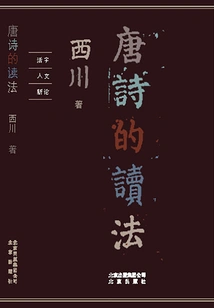
How to Read Tang Poetry
Literature唐诗的读法
Nishikawa
The author re-examines the poetry of the Tang Dynasty by returning to the Tang Dynasty, especially the poetry of the prosperous Tang Dynasty. This book is not a comprehensive discussion of Tang poetry, but rather provides a writer's perspective on various problems existing in the reading of contemporary Tang poetry. It also hopes to provide a reference for the writing and reading of new poetry. Suitable for lovers of traditional Chinese culture and classical poetry.
The author re-examines the poetry of the Tang Dynasty by returning to the Tang Dynasty, especially the poetry of the prosperous Tang Dynasty. This book is not a comprehensive discussion of Tang poetry, but rather provides a writer's perspective on various problems existing in the reading of contemporary Tang poetry. It also hopes to provide a reference for the writing and reading of new poetry. Suitable for lovers of traditional Chinese culture and classical poetry.
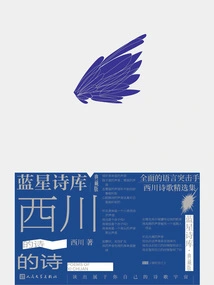
Nishikawa's Poems
Literature西川的诗
Nishikawa
"Xichuan's Poems" is one of the Blue Star Poetry Library series. This reprint of the poetry collection includes the poet's representative works from various stages from the 1980s to the present, such as "On the other side of the river", "In that winter I saw the swans", "A day in the wilderness", "These things I have preserved to this day", "Enya", "The man who died of a cold", etc., Showing the different creative looks and paths of the poet in different periods. Nishikawa's poems are calm, majestic, balanced, and precise. They are full of wise insights but do not avoid all kinds of troubles, focusing on excellent lyrical character. With a keen awareness of issues and profound humanistic heritage, Xichuan's poems continue to transcend themselves and become one of the most important integration points and starting points for contemporary poetry.
"Xichuan's Poems" is one of the Blue Star Poetry Library series. This reprint of the poetry collection includes the poet's representative works from various stages from the 1980s to the present, such as "On the other side of the river", "In that winter I saw the swans", "A day in the wilderness", "These things I have preserved to this day", "Enya", "The man who died of a cold", etc., Showing the different creative looks and paths of the poet in different periods. Nishikawa's poems are calm, majestic, balanced, and precise. They are full of wise insights but do not avoid all kinds of troubles, focusing on excellent lyrical character. With a keen awareness of issues and profound humanistic heritage, Xichuan's poems continue to transcend themselves and become one of the most important integration points and starting points for contemporary poetry.
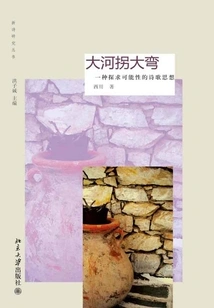
大河拐大弯:一种探求可能性的诗歌思想
Nishikawa
This book brings together the poet Xi Chuan's important thoughts on poetry writing, poetry and civilization, poetry and the times, poetry and society for more than 20 years, especially in recent years. It demonstrates to a large extent the "poetry thought" that the author has always emphasized, allowing poetry issues to be dealt with in the context of culture and history. In this era when the river seems to be turning a big bend, the author faces poetry with his broad vision, deep awareness of problems, and keen intuition; in the author's view, the problem of Chinese poetry is actually the problem of the entire Chinese culture. The author strives to find possible starting points and breakthroughs for the creative presentation of contemporary Chinese poetry through repeated comparisons of ancient and modern Chinese and foreign poetry, as well as poetry and other arts.
This book brings together the poet Xi Chuan's important thoughts on poetry writing, poetry and civilization, poetry and the times, poetry and society for more than 20 years, especially in recent years. It demonstrates to a large extent the "poetry thought" that the author has always emphasized, allowing poetry issues to be dealt with in the context of culture and history. In this era when the river seems to be turning a big bend, the author faces poetry with his broad vision, deep awareness of problems, and keen intuition; in the author's view, the problem of Chinese poetry is actually the problem of the entire Chinese culture. The author strives to find possible starting points and breakthroughs for the creative presentation of contemporary Chinese poetry through repeated comparisons of ancient and modern Chinese and foreign poetry, as well as poetry and other arts.