Library
Browse and search books
2 novels found
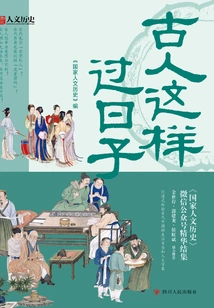
古人这样过日子
National Humanities And History
In the days of the ancients, there is a vivid history, original customs and culture, and oriental aesthetics that have accumulated for thousands of years. This book is a collection of the essence of the public account of the magazine "National Humanities and History". It focuses on seven aspects of ancient people's shopping, food, customs, entertainment, health, marriage, and workplace. It selects 41 interesting and representative topics to create a hard-core ancient survival guide. With humorous language and a perspective that takes into account both ancient and modern times, the book goes deep into historical classics and cultural relics, refers to a large number of historical research documents, restores many details of the daily life of the ancients, and leads readers into the colorful world of the ancients, allowing them to immerse themselves in the various life styles and humanities of ancient China.
In the days of the ancients, there is a vivid history, original customs and culture, and oriental aesthetics that have accumulated for thousands of years. This book is a collection of the essence of the public account of the magazine "National Humanities and History". It focuses on seven aspects of ancient people's shopping, food, customs, entertainment, health, marriage, and workplace. It selects 41 interesting and representative topics to create a hard-core ancient survival guide. With humorous language and a perspective that takes into account both ancient and modern times, the book goes deep into historical classics and cultural relics, refers to a large number of historical research documents, restores many details of the daily life of the ancients, and leads readers into the colorful world of the ancients, allowing them to immerse themselves in the various life styles and humanities of ancient China.
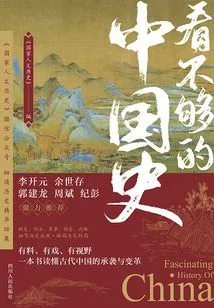
Not Enough Chinese History
History看不够的中国史
National Humanities And History
Why are most of Qin Guoxingyao's think tanks composed of foreigners such as Shang Yang and Zhang Yi? How did Emperor Wu of the Han Dynasty make money and burn it? Emperor Yang of the Sui Dynasty dug the Grand Canal during his southern tour, but what did he do during his western tour? Why did Li Yuan dominate the world with 30,000 troops and horses in 7 years? What strategic shortcomings did the tactical genius Li Cunxu suffer from? How did Wang Anshi become the scapegoat for the Jingkang Incident? Why did Hu Weiyong have to die? How did Chongzhen "help" remotely? Why did Yuan Shikai plan the "PS Gate" incident in the late Qing Dynasty? ... History is a drama in which you sing and then we appear. Behind these familiar names, there are not only stories of ups and downs, but also condensed contingency and inevitability of inheritance, change and development in each era. This book is a collection of the essence of the public account of the magazine "National Humanities and History". It takes time as the context and "change" as the core. It selects five major themes: system, economy, military, strategy, and court, and 53 interesting and interesting topics. It combs the inheritance and changes in many fields of ancient China vertically from point to point, and uses dynamic thinking. Wei excavates the logic and essence behind it, not only restores the vivid and diverse eras and explains the reasons for success and failure, but also uses humorous language, unique perspectives, and rigorous research to outline the historical context of today's China's territory, cultural thoughts, economic structure, customs, laws and systems, and other fields. Details determine success or failure, and pattern determines the outcome. If you open this book and understand the inheritance and transformation of ancient China, you will be able to understand China's changes over thousands of years, and you will also be able to understand why China has been passed down to this day and remains new over time.
Why are most of Qin Guoxingyao's think tanks composed of foreigners such as Shang Yang and Zhang Yi? How did Emperor Wu of the Han Dynasty make money and burn it? Emperor Yang of the Sui Dynasty dug the Grand Canal during his southern tour, but what did he do during his western tour? Why did Li Yuan dominate the world with 30,000 troops and horses in 7 years? What strategic shortcomings did the tactical genius Li Cunxu suffer from? How did Wang Anshi become the scapegoat for the Jingkang Incident? Why did Hu Weiyong have to die? How did Chongzhen "help" remotely? Why did Yuan Shikai plan the "PS Gate" incident in the late Qing Dynasty? ... History is a drama in which you sing and then we appear. Behind these familiar names, there are not only stories of ups and downs, but also condensed contingency and inevitability of inheritance, change and development in each era. This book is a collection of the essence of the public account of the magazine "National Humanities and History". It takes time as the context and "change" as the core. It selects five major themes: system, economy, military, strategy, and court, and 53 interesting and interesting topics. It combs the inheritance and changes in many fields of ancient China vertically from point to point, and uses dynamic thinking. Wei excavates the logic and essence behind it, not only restores the vivid and diverse eras and explains the reasons for success and failure, but also uses humorous language, unique perspectives, and rigorous research to outline the historical context of today's China's territory, cultural thoughts, economic structure, customs, laws and systems, and other fields. Details determine success or failure, and pattern determines the outcome. If you open this book and understand the inheritance and transformation of ancient China, you will be able to understand China's changes over thousands of years, and you will also be able to understand why China has been passed down to this day and remains new over time.