Library
Browse and search books
5 novels found
Treasure Theft from the Forbidden City
Literature故宫盗宝案
Mu Yumin
The Forbidden City, the largest palace in the world, after more than 580 years of vicissitudes, still sits in the center of Beijing with its unparalleled nobility, magnificence and unique mystery. The Forbidden City is also called the Forbidden City. The name is a metaphor for the Ziwei Star Wall. Ancient Chinese astronomers divided the stars in the sky into three constellations, twenty-eight constellations, and other constellations. The three walls include Taiweiyuan, Ziweiyuan and Tianshiyuan. Ziwei Xingyuan is in the center of the three walls, so it becomes the constellation representing the Emperor of Heaven. The Emperor of Heaven is supreme, and the place where the Emperor of Heaven lives is called the Purple Palace. The emperor of the human world is also supreme, so the place where the Emperor lives is called the Forbidden City. The Forbidden City is the imperial palace of the twenty-four emperors of China's Ming and Qing dynasties. People are accustomed to calling it the Forbidden City. The Forbidden City is indeed fascinating. Xu Qixian, a researcher at the Palace Museum, said: As long as I have the conditions, I have to buy a ticket to go in and see it even if I want to sell it.
The Forbidden City, the largest palace in the world, after more than 580 years of vicissitudes, still sits in the center of Beijing with its unparalleled nobility, magnificence and unique mystery. The Forbidden City is also called the Forbidden City. The name is a metaphor for the Ziwei Star Wall. Ancient Chinese astronomers divided the stars in the sky into three constellations, twenty-eight constellations, and other constellations. The three walls include Taiweiyuan, Ziweiyuan and Tianshiyuan. Ziwei Xingyuan is in the center of the three walls, so it becomes the constellation representing the Emperor of Heaven. The Emperor of Heaven is supreme, and the place where the Emperor of Heaven lives is called the Purple Palace. The emperor of the human world is also supreme, so the place where the Emperor lives is called the Forbidden City. The Forbidden City is the imperial palace of the twenty-four emperors of China's Ming and Qing dynasties. People are accustomed to calling it the Forbidden City. The Forbidden City is indeed fascinating. Xu Qixian, a researcher at the Palace Museum, said: As long as I have the conditions, I have to buy a ticket to go in and see it even if I want to sell it.
Assassination of He Siyuan
General Fiction刺杀何思源
Mu Yumin
The assassination of He Siyuan by Kuomintang agents was known to all women and children. But who was the spy who assassinated He Siyuan? How they carried out the operation, what happened to the agents, and other details, very few people know. Someone once asked He Luli, the daughter of He Siyuan who survived the spy assassination operation, what was the inside story of the assassination that year? He Luli replied: I know as little as you.
The assassination of He Siyuan by Kuomintang agents was known to all women and children. But who was the spy who assassinated He Siyuan? How they carried out the operation, what happened to the agents, and other details, very few people know. Someone once asked He Luli, the daughter of He Siyuan who survived the spy assassination operation, what was the inside story of the assassination that year? He Luli replied: I know as little as you.
故宫盗宝实录
Mu Yumin
The Forbidden City was first opened to the public in 1914 (the third year of the Republic of China). Because Emperor Puyi of the Qing Dynasty still lived in the inner palace at that time, the opening range was very small, limited to the outer court area, and the ticket price was very expensive, and few people visited. After Puyi was expelled from the palace, the Forbidden City was owned by the state and the Palace Museum was established. On October 10, 1925, the Forbidden City stepped down from the altar and was officially opened to the public. After the founding of the People's Republic of China in 1949, the Central People's Government took over the Palace Museum and reopened it to the public on July 1, 1958. Ordinary people can spend a few cents to personally enter the mysterious royal palace of the past. The display of the Forbidden City open to the public mainly consists of two systems: one is the display of palace historical relics, which is mainly based on the palace buildings of the Forbidden City; the other is the display of art works of past dynasties, which is mainly the collection of the Forbidden City. The thieves are targeting the collections of the Forbidden City, especially the priceless national treasures in the Yangxin Hall, the treasure hall located in the east of the Palace Museum. After the founding of the People's Republic of China, all five treasure thieves broke their wings in the Yangxin Hall.
The Forbidden City was first opened to the public in 1914 (the third year of the Republic of China). Because Emperor Puyi of the Qing Dynasty still lived in the inner palace at that time, the opening range was very small, limited to the outer court area, and the ticket price was very expensive, and few people visited. After Puyi was expelled from the palace, the Forbidden City was owned by the state and the Palace Museum was established. On October 10, 1925, the Forbidden City stepped down from the altar and was officially opened to the public. After the founding of the People's Republic of China in 1949, the Central People's Government took over the Palace Museum and reopened it to the public on July 1, 1958. Ordinary people can spend a few cents to personally enter the mysterious royal palace of the past. The display of the Forbidden City open to the public mainly consists of two systems: one is the display of palace historical relics, which is mainly based on the palace buildings of the Forbidden City; the other is the display of art works of past dynasties, which is mainly the collection of the Forbidden City. The thieves are targeting the collections of the Forbidden City, especially the priceless national treasures in the Yangxin Hall, the treasure hall located in the east of the Palace Museum. After the founding of the People's Republic of China, all five treasure thieves broke their wings in the Yangxin Hall.
缉捕杀害李大钊凶的的行动
Mu Yumin
There are many Chinese and foreign scholars who study Li Dazhao, and there are many books and film and television materials introducing him. Even today's "United States, Encyclopedia of Library and Information Technology" has an entry for "Li Dazhao", calling him "the father of modern Chinese libraries." Through scholars' research results and film and television materials, people were moved by Li Dazhao's deepest sense of responsibility for the Chinese nation, and they looked up to this pioneer of the Chinese communist movement and founder of the Communist Party of China even more. At the same time, they also respected this profound scholar even more. However, whether it is research monographs, memoirs of Li Dazhao's relatives, or film and television works and literary publications, very little is mentioned about the situation before and after Li Dazhao's arrest.
There are many Chinese and foreign scholars who study Li Dazhao, and there are many books and film and television materials introducing him. Even today's "United States, Encyclopedia of Library and Information Technology" has an entry for "Li Dazhao", calling him "the father of modern Chinese libraries." Through scholars' research results and film and television materials, people were moved by Li Dazhao's deepest sense of responsibility for the Chinese nation, and they looked up to this pioneer of the Chinese communist movement and founder of the Communist Party of China even more. At the same time, they also respected this profound scholar even more. However, whether it is research monographs, memoirs of Li Dazhao's relatives, or film and television works and literary publications, very little is mentioned about the situation before and after Li Dazhao's arrest.
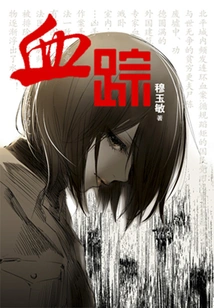
Blood Trail
General Fiction血踪
Mu Yumin
Frequent serial murders occurred in the city of Peiping: the old Kuomintang traffic policeman who followed the rules was stained with blood on the city building, the body of a poor watchman who had nothing to do with the world was found in the ruins, and the blood of a foreign construction expert with perfect deeds was splattered in the bedroom... The murderer used the same method of committing the crime. What is his plan? When the forensic doctor and the pedicurist were eliminated as suspects one by one, an unexpected figure gradually surfaced!
Frequent serial murders occurred in the city of Peiping: the old Kuomintang traffic policeman who followed the rules was stained with blood on the city building, the body of a poor watchman who had nothing to do with the world was found in the ruins, and the blood of a foreign construction expert with perfect deeds was splattered in the bedroom... The murderer used the same method of committing the crime. What is his plan? When the forensic doctor and the pedicurist were eliminated as suspects one by one, an unexpected figure gradually surfaced!