Library
Browse and search books
19 novels found
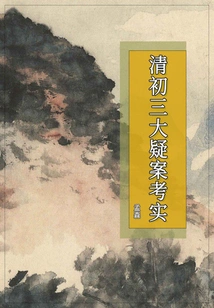
清初三大疑案考实
Monson
"The Three Most Mysterious Cases in the Early Qing Dynasty" is composed of three parts: "The Empress Dowager's Marriage", "The True Story of Shizu's Monkship", and "The True Test of King Shizong's Succession to the Great Unification". With the rigor of a historian, Mr. Meng Sen has carefully researched the three major mysteries that have been widely circulated among the people: "the Queen Mother's marriage", "Shunzhi's becoming a monk" and "Yongzheng's accession to the throne". He peels away the many mysteries wrapped in the archives and historical materials of past dynasties and seeks for the historical truth, which is very interesting.
"The Three Most Mysterious Cases in the Early Qing Dynasty" is composed of three parts: "The Empress Dowager's Marriage", "The True Story of Shizu's Monkship", and "The True Test of King Shizong's Succession to the Great Unification". With the rigor of a historian, Mr. Meng Sen has carefully researched the three major mysteries that have been widely circulated among the people: "the Queen Mother's marriage", "Shunzhi's becoming a monk" and "Yongzheng's accession to the throne". He peels away the many mysteries wrapped in the archives and historical materials of past dynasties and seeks for the historical truth, which is very interesting.
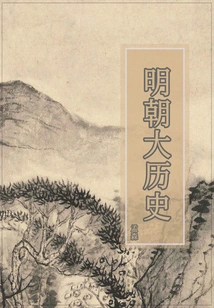
Ming Dynasty History
History明朝大历史
Monson
This book is the culmination of Mr. Meng Sen's research on Qing history. It is also a representative and foundational work on research on Qing history issues. Mr. Meng Sen used "Records of the Qing Dynasty" and "Manuscripts of the History of the Qing Dynasty", as well as rarely used historical materials such as the Qing court archives and "Records of the Korean Dynasty" to reveal and analyze many core issues in the history of the Qing Dynasty, and gave a comprehensive review of the politics, economy, and culture of the Qing Dynasty for more than 200 years. The book has a rigorous structure, precise comments, elegant vocabulary, and well-chosen quotations. It is a must-read for those who study Qing history.
This book is the culmination of Mr. Meng Sen's research on Qing history. It is also a representative and foundational work on research on Qing history issues. Mr. Meng Sen used "Records of the Qing Dynasty" and "Manuscripts of the History of the Qing Dynasty", as well as rarely used historical materials such as the Qing court archives and "Records of the Korean Dynasty" to reveal and analyze many core issues in the history of the Qing Dynasty, and gave a comprehensive review of the politics, economy, and culture of the Qing Dynasty for more than 200 years. The book has a rigorous structure, precise comments, elegant vocabulary, and well-chosen quotations. It is a must-read for those who study Qing history.
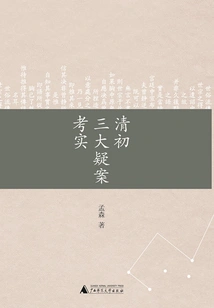
清初三大疑案考实
Monson
This book is composed of three parts: "Research on the Empress Dowager's Marriage", "Research on Shizu's Reunion as a Family", and "Research on Shizong's Succession to the Great Unification". With the rigor of a historian, Mr. Meng Sen has carefully researched the three major mysteries that have been widely circulated among the people: "the Queen Mother's marriage", "Shunzhi's becoming a monk" and "Yongzheng's accession to the throne". He peels away the many mysteries wrapped in the archives and historical materials of past dynasties and seeks for the historical truth, which is very interesting.
This book is composed of three parts: "Research on the Empress Dowager's Marriage", "Research on Shizu's Reunion as a Family", and "Research on Shizong's Succession to the Great Unification". With the rigor of a historian, Mr. Meng Sen has carefully researched the three major mysteries that have been widely circulated among the people: "the Queen Mother's marriage", "Shunzhi's becoming a monk" and "Yongzheng's accession to the throne". He peels away the many mysteries wrapped in the archives and historical materials of past dynasties and seeks for the historical truth, which is very interesting.
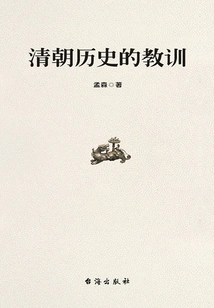
清朝历史的教训
Monson
The Qing Dynasty was a dynasty of great changes and changes. As the last feudal dynasty in Chinese history, it went from the bloody conquests of dynasties to the unprecedented expansion of territory, the peaceful and prosperous "Kangxi and Qianlong Dynasties", to the invasion and humiliation of Western powers, the one after another peasant uprisings, the decadence and decline of the late Qing Dynasty, and ultimately its inevitable demise. What happened in the middle? What impact will nearly three hundred years of Qing Dynasty history have on today's rapidly developing China? Based on real historical materials, this book provides a strong argument for the process and important historical facts of the Qing Dynasty from the founding of the country to the transition from prosperity to decline. It analyzes many core issues in each period of the Qing Dynasty. It provides a comprehensive review of the politics, economy, and culture of the Qing Dynasty for more than two hundred years. It has substantial content, clear outlines, and detailed research, and explores the reasons for the rise and fall of the Chinese nation. History is a mirror and a profound textbook. Keep historical experience and lessons in mind.
The Qing Dynasty was a dynasty of great changes and changes. As the last feudal dynasty in Chinese history, it went from the bloody conquests of dynasties to the unprecedented expansion of territory, the peaceful and prosperous "Kangxi and Qianlong Dynasties", to the invasion and humiliation of Western powers, the one after another peasant uprisings, the decadence and decline of the late Qing Dynasty, and ultimately its inevitable demise. What happened in the middle? What impact will nearly three hundred years of Qing Dynasty history have on today's rapidly developing China? Based on real historical materials, this book provides a strong argument for the process and important historical facts of the Qing Dynasty from the founding of the country to the transition from prosperity to decline. It analyzes many core issues in each period of the Qing Dynasty. It provides a comprehensive review of the politics, economy, and culture of the Qing Dynasty for more than two hundred years. It has substantial content, clear outlines, and detailed research, and explores the reasons for the rise and fall of the Chinese nation. History is a mirror and a profound textbook. Keep historical experience and lessons in mind.
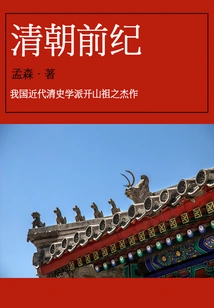
Pre-qing Dynasty
History清朝前纪
Monson
"Pre-Chronicles of the Qing Dynasty" are the lecture notes given by Mr. Meng Sen, a modern Qing historian, when he taught Manchurian history at Nanjing Central University. The book is divided into chapters such as the Outline, Jurchen Chronicles, Jianzhou Chronicles, Jianzhou Zuowei Preface Chronicles, Zhaozu Chronicles, Chu Yanchong Shanji, Tuoluo Ji, Xingzu Ji, Jingzu Ji, Xianzu Ji, and Wang Gao Ji. Readers interested in Manchurian history must read this book. This book was originally a school handout, but the assessment is quite detailed. It records the historical events before the Manchus entered the customs, including tribal changes, lineage formation and development, etc. The tribe will be detailed first, and the lineage will be described later until the end of the Qi Dynasty (equivalent to the death of Nurhachi). Its content "has been omitted but not preserved by Ming history, and has been tabooed by Qing history. Therefore, this volume fills the common gaps between Ming and Qing histories." It is an important material for studying the history of the early Qing Dynasty.
"Pre-Chronicles of the Qing Dynasty" are the lecture notes given by Mr. Meng Sen, a modern Qing historian, when he taught Manchurian history at Nanjing Central University. The book is divided into chapters such as the Outline, Jurchen Chronicles, Jianzhou Chronicles, Jianzhou Zuowei Preface Chronicles, Zhaozu Chronicles, Chu Yanchong Shanji, Tuoluo Ji, Xingzu Ji, Jingzu Ji, Xianzu Ji, and Wang Gao Ji. Readers interested in Manchurian history must read this book. This book was originally a school handout, but the assessment is quite detailed. It records the historical events before the Manchus entered the customs, including tribal changes, lineage formation and development, etc. The tribe will be detailed first, and the lineage will be described later until the end of the Qi Dynasty (equivalent to the death of Nurhachi). Its content "has been omitted but not preserved by Ming history, and has been tabooed by Qing history. Therefore, this volume fills the common gaps between Ming and Qing histories." It is an important material for studying the history of the early Qing Dynasty.
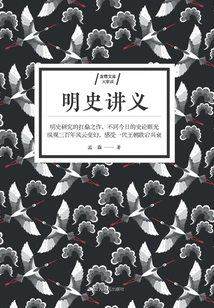
Ming History Lecture Notes
History明史讲义
Monson
The book is divided into two parts. The first part summarizes the status of Ming history in historiography and the style of Ming history; the second part is divided into seven parts: the founding of the country, Jingnan, seizing the door, discussing rites, the desolation of Wanli, Jiongjian and the chaos of the Tianchong Dynasty, and the ups and downs of the Southern Ming Dynasty. It reviews the historical facts of each period of the Ming Dynasty. The book is rich in content, clear in organization, and detailed in research. It has extremely high academic depth and has a profound influence in the field of Ming history research. It is one of the representative works of modern Ming history research.
The book is divided into two parts. The first part summarizes the status of Ming history in historiography and the style of Ming history; the second part is divided into seven parts: the founding of the country, Jingnan, seizing the door, discussing rites, the desolation of Wanli, Jiongjian and the chaos of the Tianchong Dynasty, and the ups and downs of the Southern Ming Dynasty. It reviews the historical facts of each period of the Ming Dynasty. The book is rich in content, clear in organization, and detailed in research. It has extremely high academic depth and has a profound influence in the field of Ming history research. It is one of the representative works of modern Ming history research.
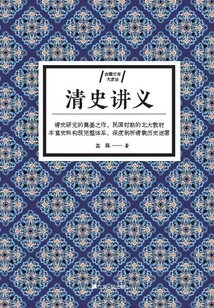
Qing History Lecture Notes
History清史讲义
Monson
The book is divided into two parts. The first part summarizes the status of Qing history in historiography and the style of Qing history; the second part is divided into five parts: the founding of the country, consolidating the national foundation, prosperity, Jiandao Shouwen, and turning the danger into peace with Xian Tong, which reviews the historical facts of each period of the Qing Dynasty. The book is rich in content, clear in organization, and detailed in research. It has extremely high academic depth and has a profound influence in the field of Qing history research. It is one of the representative works of modern Qing history research.
The book is divided into two parts. The first part summarizes the status of Qing history in historiography and the style of Qing history; the second part is divided into five parts: the founding of the country, consolidating the national foundation, prosperity, Jiandao Shouwen, and turning the danger into peace with Xian Tong, which reviews the historical facts of each period of the Qing Dynasty. The book is rich in content, clear in organization, and detailed in research. It has extremely high academic depth and has a profound influence in the field of Qing history research. It is one of the representative works of modern Qing history research.
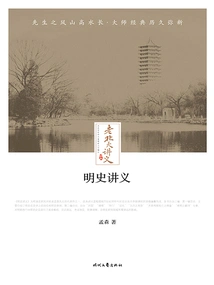
老北大讲义:明史讲义
Monson
"Lecture Notes on the History of the Ming Dynasty" is one of the representative works of Mr. Meng Sen, a pioneer in the study of Ming and Qing history. This handout is compiled based on his lecture notes when he taught at Peking University in the early 1930s. The book is divided into two parts: the first part is a general introduction, which mainly introduces the status of Ming history in historiography and the style of Ming history; the second part is divided into "founding of the country", "Jingnan", "seizing the gate", "discussing rites", "Wanli's desolation" and "heaven". The seven chapters "Chongjian of the Rebellion and Fall of the Two Dynasties" and "The Dislocation of the Southern Ming Dynasty" provide a high-level summary of the historical facts of each period of the Ming Dynasty. They are insightful, detailed and clear in textual research, and have a profound influence in the field of Ming history research.
"Lecture Notes on the History of the Ming Dynasty" is one of the representative works of Mr. Meng Sen, a pioneer in the study of Ming and Qing history. This handout is compiled based on his lecture notes when he taught at Peking University in the early 1930s. The book is divided into two parts: the first part is a general introduction, which mainly introduces the status of Ming history in historiography and the style of Ming history; the second part is divided into "founding of the country", "Jingnan", "seizing the gate", "discussing rites", "Wanli's desolation" and "heaven". The seven chapters "Chongjian of the Rebellion and Fall of the Two Dynasties" and "The Dislocation of the Southern Ming Dynasty" provide a high-level summary of the historical facts of each period of the Ming Dynasty. They are insightful, detailed and clear in textual research, and have a profound influence in the field of Ming history research.
老北大讲义:清史讲义
Monson
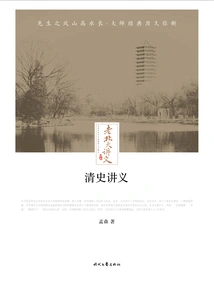
"Lecture Notes on Qing History" is a lecture notes given by Mr. Meng Sen when he was teaching at Peking University in his early years. Although it is not complete, it provides a comprehensive review of the politics, economy, and culture of the Qing Dynasty for more than two hundred years. This book is mainly divided into five chapters: "The Founding of the Country", "Consolidating the National Foundation", "Full Prosperity", "Jia Dao Shou Wen" and "Xian Tong's Turning the Danger to Peace". It provides a comprehensive and brief description of the politics, economy and culture of the first two hundred years of the Qing Dynasty. It is a must-read for those who study Qing history.
"Lecture Notes on Qing History" is a lecture notes given by Mr. Meng Sen when he was teaching at Peking University in his early years. Although it is not complete, it provides a comprehensive review of the politics, economy, and culture of the Qing Dynasty for more than two hundred years. This book is mainly divided into five chapters: "The Founding of the Country", "Consolidating the National Foundation", "Full Prosperity", "Jia Dao Shou Wen" and "Xian Tong's Turning the Danger to Peace". It provides a comprehensive and brief description of the politics, economy and culture of the first two hundred years of the Qing Dynasty. It is a must-read for those who study Qing history.
中国大历史:明史讲义
Monson
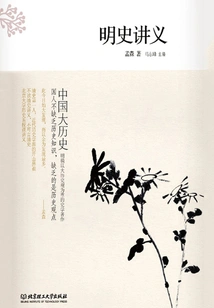
This book is the lecture notes given by Mr. Meng Sen at Peking University in the first half of the 20th century. The book uses time as a clue and uses a large number of historical materials to conduct a comprehensive investigation of the important historical facts and institutional evolution of Ming history. It pays special attention to various internal and external interest struggles during the reign of successive rulers, and also provides an in-depth analysis of the reasons for the rise and fall of dynasties. The book has a smooth narrative, well-cut and thorough analysis. It is still an important reference book for understanding the history of the Ming Dynasty.
This book is the lecture notes given by Mr. Meng Sen at Peking University in the first half of the 20th century. The book uses time as a clue and uses a large number of historical materials to conduct a comprehensive investigation of the important historical facts and institutional evolution of Ming history. It pays special attention to various internal and external interest struggles during the reign of successive rulers, and also provides an in-depth analysis of the reasons for the rise and fall of dynasties. The book has a smooth narrative, well-cut and thorough analysis. It is still an important reference book for understanding the history of the Ming Dynasty.
中国大历史:清史讲义
Monson
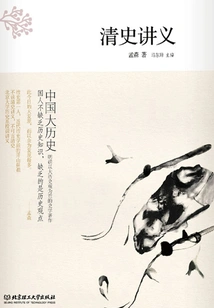
This book is the lecture notes given by Mr. Meng Sen at Peking University in the first half of the 20th century. The book uses time as a clue and uses a large number of historical materials to conduct a comprehensive investigation of the important historical facts and institutional evolution of the Qing Dynasty. It pays special attention to various internal and external interest struggles during the reign of successive rulers, and also provides an in-depth analysis of the reasons for the rise and fall of dynasties. The book has a smooth narrative, well-cut and thorough analysis. It is still an important reference book for understanding Qing history.
This book is the lecture notes given by Mr. Meng Sen at Peking University in the first half of the 20th century. The book uses time as a clue and uses a large number of historical materials to conduct a comprehensive investigation of the important historical facts and institutional evolution of the Qing Dynasty. It pays special attention to various internal and external interest struggles during the reign of successive rulers, and also provides an in-depth analysis of the reasons for the rise and fall of dynasties. The book has a smooth narrative, well-cut and thorough analysis. It is still an important reference book for understanding Qing history.
清朝简史
Monson
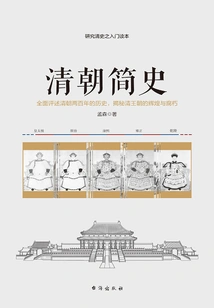
The original title of "A Brief History of the Qing Dynasty" is "Lecture Notes on the History of the Qing Dynasty". It was a draft of the lecture notes given by Mr. Meng Sen in 1931 when he was concurrently the director of Peking University and taught the history of the Qing Dynasty. It was a textbook printed and distributed to students at that time and was quite popular at the time. The whole book is divided into two parts. The first part is a general introduction, which is used to outline the main points. The second monograph is divided into five chapters: the founding of the country, the consolidation of the country's foundation, its prosperity, the restoration of civility, and the turning of danger into safety. It provides a comprehensive discussion of the history of the Qing Dynasty and provides precise commentary. Mr. Mengsen is rigorous in his history and is good at discovering doubts. Then he conducts extensive verification of historical facts and conducts in-depth exploration to find out the truth. Therefore, this "A Brief History of the Qing Dynasty" is relatively close to the historical truth, has historical data research value, and is one of the representative works of Qing history research.
The original title of "A Brief History of the Qing Dynasty" is "Lecture Notes on the History of the Qing Dynasty". It was a draft of the lecture notes given by Mr. Meng Sen in 1931 when he was concurrently the director of Peking University and taught the history of the Qing Dynasty. It was a textbook printed and distributed to students at that time and was quite popular at the time. The whole book is divided into two parts. The first part is a general introduction, which is used to outline the main points. The second monograph is divided into five chapters: the founding of the country, the consolidation of the country's foundation, its prosperity, the restoration of civility, and the turning of danger into safety. It provides a comprehensive discussion of the history of the Qing Dynasty and provides precise commentary. Mr. Mengsen is rigorous in his history and is good at discovering doubts. Then he conducts extensive verification of historical facts and conducts in-depth exploration to find out the truth. Therefore, this "A Brief History of the Qing Dynasty" is relatively close to the historical truth, has historical data research value, and is one of the representative works of Qing history research.
Ming History Lecture Notes
History明史讲义
Monson
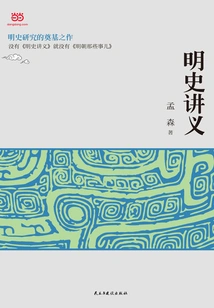
"Lecture Notes on the History of the Ming Dynasty" was originally a lecture notes given by Mr. Meng Sen when he was teaching at Peking University. It was originally a teaching material distributed internally by Peking University for academic use. It was later compiled and published by many book publishing houses such as Zhonghua Book Company, and has been used as a teaching material in various universities for a long time. The book is divided into two parts: the first part is a general introduction, which is an outline and explanatory text; the second part is divided into seven parts: the founding of the country, Jingnan, seizing the door, discussing rites, the desolation of Wanli, Jiongjian of the chaos and fall of Tianchong and the Southern Ming Dynasty, and the chaos of the Southern Ming Dynasty. It reviews the historical facts of each period of the Ming Dynasty. The author uses the official history "History of the Ming Dynasty" as the basis, and uses private history and unofficial history notes as references to clarify many questions in the "History of the Ming Dynasty". This book is rich in content, clear in outline, and detailed in research. It has extremely high academic depth and has a profound influence in the field of Ming history research. It is one of the representative works of modern Ming history research.
"Lecture Notes on the History of the Ming Dynasty" was originally a lecture notes given by Mr. Meng Sen when he was teaching at Peking University. It was originally a teaching material distributed internally by Peking University for academic use. It was later compiled and published by many book publishing houses such as Zhonghua Book Company, and has been used as a teaching material in various universities for a long time. The book is divided into two parts: the first part is a general introduction, which is an outline and explanatory text; the second part is divided into seven parts: the founding of the country, Jingnan, seizing the door, discussing rites, the desolation of Wanli, Jiongjian of the chaos and fall of Tianchong and the Southern Ming Dynasty, and the chaos of the Southern Ming Dynasty. It reviews the historical facts of each period of the Ming Dynasty. The author uses the official history "History of the Ming Dynasty" as the basis, and uses private history and unofficial history notes as references to clarify many questions in the "History of the Ming Dynasty". This book is rich in content, clear in outline, and detailed in research. It has extremely high academic depth and has a profound influence in the field of Ming history research. It is one of the representative works of modern Ming history research.
Qing History Lecture Notes
History清史讲义
Monson
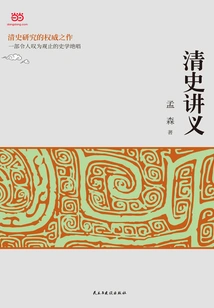
This book was originally a lecture note given by Mr. Meng Sen when he was teaching at Peking University. It was originally a teaching material distributed internally to students at Peking University. It was later compiled and published by many publishing houses such as Zhonghua Book Company and has been used as a teaching material in various universities for a long time. The book is divided into two parts: the first part is a general introduction, which seems to be very short and talks in general terms, but it is the general guide of the whole article; the second part is divided into five parts: the founding of the country, consolidating the national foundation, prosperity, Jiandao Shouwen, and turning the crisis into peace. It provides a comprehensive review of the politics, economy, and culture of the Qing Dynasty for more than 200 years. The author uses the "Records of the Qing Dynasty" and "Manuscripts of the History of the Qing Dynasty" as the basis, as well as the Qing court archives and the "Records of the Korean Dynasty" and other rarely used historical materials to conduct research, reveal the original appearance of the Eight Banners system, and analyze many core issues in each period of the Qing Dynasty. The book is rich in content, clear in outline, and detailed in research. It has extremely high academic depth and has a profound influence in the field of Qing history research. It is one of the representative works of modern Qing history research.
This book was originally a lecture note given by Mr. Meng Sen when he was teaching at Peking University. It was originally a teaching material distributed internally to students at Peking University. It was later compiled and published by many publishing houses such as Zhonghua Book Company and has been used as a teaching material in various universities for a long time. The book is divided into two parts: the first part is a general introduction, which seems to be very short and talks in general terms, but it is the general guide of the whole article; the second part is divided into five parts: the founding of the country, consolidating the national foundation, prosperity, Jiandao Shouwen, and turning the crisis into peace. It provides a comprehensive review of the politics, economy, and culture of the Qing Dynasty for more than 200 years. The author uses the "Records of the Qing Dynasty" and "Manuscripts of the History of the Qing Dynasty" as the basis, as well as the Qing court archives and the "Records of the Korean Dynasty" and other rarely used historical materials to conduct research, reveal the original appearance of the Eight Banners system, and analyze many core issues in each period of the Qing Dynasty. The book is rich in content, clear in outline, and detailed in research. It has extremely high academic depth and has a profound influence in the field of Qing history research. It is one of the representative works of modern Qing history research.
Pre-qing Dynasty
History清朝前纪
Monson
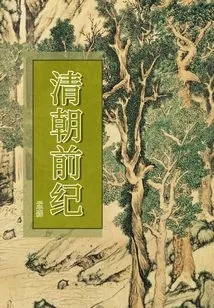
"The Preface of the Qing Dynasty" is a book published by Zhonghua Book Company on May 1, 2008. The author is Meng Sen. This book is the lecture notes given by Mr. Meng Sen when he taught the history of Manchuria at Nanjing Central University. The book is divided into eleven chapters: the first Jurchen Chronicle, the second Jianzhou Chronicle, the third Jianzhou Zuowei Preface Chronicle, the fourth Zhaozu Chronicle, the fifth Chu Yan Chongshan Chronicle, the sixth Tuoluo Chronicle, the seventh Xingzu Chronicle, the eighth Jingzu Chronicle, the ninth Xianzu Chronicle, and the Wang Gao Chronicle.
"The Preface of the Qing Dynasty" is a book published by Zhonghua Book Company on May 1, 2008. The author is Meng Sen. This book is the lecture notes given by Mr. Meng Sen when he taught the history of Manchuria at Nanjing Central University. The book is divided into eleven chapters: the first Jurchen Chronicle, the second Jianzhou Chronicle, the third Jianzhou Zuowei Preface Chronicle, the fourth Zhaozu Chronicle, the fifth Chu Yan Chongshan Chronicle, the sixth Tuoluo Chronicle, the seventh Xingzu Chronicle, the eighth Jingzu Chronicle, the ninth Xianzu Chronicle, and the Wang Gao Chronicle.
明朝简史
Monson
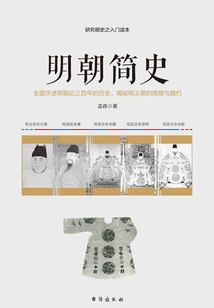
"A Brief History of the Ming Dynasty" was originally titled "Lecture Notes on the History of the Ming Dynasty". It was a draft of Mr. Meng Sen's lecture notes on the history of the Ming Dynasty when he came to Peking University as professor and director of the History Department in 1931. It was a textbook printed and distributed to students at that time. It was quite popular at the time. The book is divided into two parts: the first part is a general introduction, which is a summary explanatory text; the second part is divided into seven parts: the founding of the country, Jingnan, seizing the gate, discussing rites, the desolation of Wanli, Jiongjian of the chaos and fall of Tianchong and the two dynasties, and the ups and downs of the Southern Ming Dynasty. It comprehensively discusses the history of the Ming Dynasty and provides precise comments. Mr. Mengsen is rigorous in his history and is good at discovering doubts. Then he conducts extensive verification of historical facts and conducts in-depth exploration to find out the truth. Therefore, this "A Brief History of the Ming Dynasty" is relatively close to the historical truth, has great historical research value, and is recognized as one of the representative works of Ming history research.
"A Brief History of the Ming Dynasty" was originally titled "Lecture Notes on the History of the Ming Dynasty". It was a draft of Mr. Meng Sen's lecture notes on the history of the Ming Dynasty when he came to Peking University as professor and director of the History Department in 1931. It was a textbook printed and distributed to students at that time. It was quite popular at the time. The book is divided into two parts: the first part is a general introduction, which is a summary explanatory text; the second part is divided into seven parts: the founding of the country, Jingnan, seizing the gate, discussing rites, the desolation of Wanli, Jiongjian of the chaos and fall of Tianchong and the two dynasties, and the ups and downs of the Southern Ming Dynasty. It comprehensively discusses the history of the Ming Dynasty and provides precise comments. Mr. Mengsen is rigorous in his history and is good at discovering doubts. Then he conducts extensive verification of historical facts and conducts in-depth exploration to find out the truth. Therefore, this "A Brief History of the Ming Dynasty" is relatively close to the historical truth, has great historical research value, and is recognized as one of the representative works of Ming history research.
清朝大历史
Monson
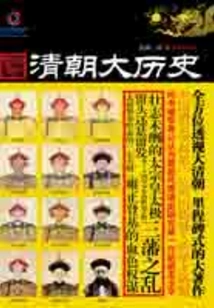
This book is the culmination of Mr. Meng Sen's research on Qing history. It is also a representative and foundational work on research on Qing history issues.
This book is the culmination of Mr. Meng Sen's research on Qing history. It is also a representative and foundational work on research on Qing history issues.
Qing History Lecture Notes
History清史讲义
Monson
This book was originally a lecture note given by Mr. Meng Sen when he was teaching at Peking University. It was originally a teaching material distributed internally to students at Peking University. It was later compiled and published by many publishing houses such as Zhonghua Book Company and has been used as a teaching material in various universities for a long time. The book is divided into two parts: the first part is a general introduction, which seems to be very short and talks in general terms, but it is the general guide of the whole article; the second part is divided into five parts: the founding of the country, consolidating the national foundation, prosperity, Jiandao Shouwen, and turning the crisis into peace. It provides a comprehensive review of the politics, economy, and culture of the Qing Dynasty for more than 200 years. The author uses the "Records of the Qing Dynasty" and "Manuscripts of the History of the Qing Dynasty" as the basis, as well as the Qing court archives and the "Records of the Korean Dynasty" and other rarely used historical materials to conduct research, reveal the original appearance of the Eight Banners system, and analyze many core issues in each period of the Qing Dynasty. The book is rich in content, clear in outline, and detailed in research. It has extremely high academic depth and has a profound influence in the field of Qing history research. It is one of the representative works of modern Qing history research.
This book was originally a lecture note given by Mr. Meng Sen when he was teaching at Peking University. It was originally a teaching material distributed internally to students at Peking University. It was later compiled and published by many publishing houses such as Zhonghua Book Company and has been used as a teaching material in various universities for a long time. The book is divided into two parts: the first part is a general introduction, which seems to be very short and talks in general terms, but it is the general guide of the whole article; the second part is divided into five parts: the founding of the country, consolidating the national foundation, prosperity, Jiandao Shouwen, and turning the crisis into peace. It provides a comprehensive review of the politics, economy, and culture of the Qing Dynasty for more than 200 years. The author uses the "Records of the Qing Dynasty" and "Manuscripts of the History of the Qing Dynasty" as the basis, as well as the Qing court archives and the "Records of the Korean Dynasty" and other rarely used historical materials to conduct research, reveal the original appearance of the Eight Banners system, and analyze many core issues in each period of the Qing Dynasty. The book is rich in content, clear in outline, and detailed in research. It has extremely high academic depth and has a profound influence in the field of Qing history research. It is one of the representative works of modern Qing history research.
Ming History Lecture Notes
History明史讲义
Monson
"Lecture Notes on the History of the Ming Dynasty" was originally a lecture notes given by Mr. Meng Sen when he was teaching at Peking University. It was originally a teaching material distributed internally by Peking University for academic use. It was later compiled and published by many book publishing houses such as Zhonghua Book Company, and has been used as a teaching material in various universities for a long time. The book is divided into two parts: the first part is a general introduction, which is an outline and explanatory text; the second part is divided into seven parts: the founding of the country, Jingnan, seizing the door, discussing rites, the desolation of Wanli, Jiongjian of the chaos and fall of Tianchong and the Southern Ming Dynasty, and the chaos of the Southern Ming Dynasty. It reviews the historical facts of each period of the Ming Dynasty. The author uses the official history "History of the Ming Dynasty" as the basis, and uses private history and unofficial history notes as references to clarify many questions in the "History of the Ming Dynasty". This book is rich in content, clear in outline, and detailed in research. It has extremely high academic depth and has a profound influence in the field of Ming history research. It is one of the representative works of modern Ming history research.
"Lecture Notes on the History of the Ming Dynasty" was originally a lecture notes given by Mr. Meng Sen when he was teaching at Peking University. It was originally a teaching material distributed internally by Peking University for academic use. It was later compiled and published by many book publishing houses such as Zhonghua Book Company, and has been used as a teaching material in various universities for a long time. The book is divided into two parts: the first part is a general introduction, which is an outline and explanatory text; the second part is divided into seven parts: the founding of the country, Jingnan, seizing the door, discussing rites, the desolation of Wanli, Jiongjian of the chaos and fall of Tianchong and the Southern Ming Dynasty, and the chaos of the Southern Ming Dynasty. It reviews the historical facts of each period of the Ming Dynasty. The author uses the official history "History of the Ming Dynasty" as the basis, and uses private history and unofficial history notes as references to clarify many questions in the "History of the Ming Dynasty". This book is rich in content, clear in outline, and detailed in research. It has extremely high academic depth and has a profound influence in the field of Ming history research. It is one of the representative works of modern Ming history research.