Library
Browse and search books
1 novel found
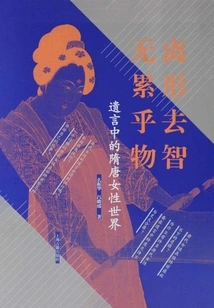
离形去智 无累乎物:遗言中的隋唐女性世界
Mo Zhenhua Lu Luyao
This book collects a total of 236 cases of women's last words in the Sui and Tang Dynasties. The research scope is very wide and the number is huge. They include women in boudoir, official women, bhikshuni, emperor's concubines, official prostitutes, officials' wives, common women, etc. Through the last words, it examines the thoughts, loves, hates, joys and pains of women before they died in the Sui and Tang Dynasties. It also pays attention to whether these last words were realized or not, that is, the attitude of the deceased's descendants or relatives and friends towards their last words or wills. From the hospice care of people in the Sui and Tang Dynasties, we can see the main content of women of different statuses before dying and the different types of views on life and death. It shows the rich and colorful ideological culture at that time, which helps to enhance our understanding of the society and women of the Sui and Tang Dynasties. "When a person is about to die, his words are also good." In most cases, last words are an expression of the true meaning and true emotions of relatives and friends. Even if they are vague, they are generally not false and false. To a large extent, they can be used as a key for the living to determine life and death. The last words reflect the deceased's life summary, social understanding, life perception, attitude towards life, and ideological wisdom. Therefore, we can interpret the ideological history of the deceased's view of death through the last words. The social status of women in the Sui and Tang Dynasties was relatively high in ancient Chinese society. From their last words, we can find the concerns of women of different statuses before their death, as well as different types of views on life and death and their mental states. With the help of their relatives' implementation of their last words, we can examine the society and the status of women in the Tang Dynasty from another perspective.
This book collects a total of 236 cases of women's last words in the Sui and Tang Dynasties. The research scope is very wide and the number is huge. They include women in boudoir, official women, bhikshuni, emperor's concubines, official prostitutes, officials' wives, common women, etc. Through the last words, it examines the thoughts, loves, hates, joys and pains of women before they died in the Sui and Tang Dynasties. It also pays attention to whether these last words were realized or not, that is, the attitude of the deceased's descendants or relatives and friends towards their last words or wills. From the hospice care of people in the Sui and Tang Dynasties, we can see the main content of women of different statuses before dying and the different types of views on life and death. It shows the rich and colorful ideological culture at that time, which helps to enhance our understanding of the society and women of the Sui and Tang Dynasties. "When a person is about to die, his words are also good." In most cases, last words are an expression of the true meaning and true emotions of relatives and friends. Even if they are vague, they are generally not false and false. To a large extent, they can be used as a key for the living to determine life and death. The last words reflect the deceased's life summary, social understanding, life perception, attitude towards life, and ideological wisdom. Therefore, we can interpret the ideological history of the deceased's view of death through the last words. The social status of women in the Sui and Tang Dynasties was relatively high in ancient Chinese society. From their last words, we can find the concerns of women of different statuses before their death, as well as different types of views on life and death and their mental states. With the help of their relatives' implementation of their last words, we can examine the society and the status of women in the Tang Dynasty from another perspective.