Library
Browse and search books
5 novels found
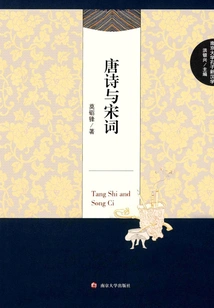
Tang Poetry and Song Lyrics
Literature唐诗与宋词
Mo Lifeng
"Tang Poems and Song Ci (Essence)" compiled by Mo Lizhen and Hong Yinxing selects poets Li Bai and Du Fu of the Tang Dynasty and poets Su Shi and Xin Qiji of the Song Dynasty for detailed introduction. Li Bai is known as "Tao Xian". His poems show his high-spirited attitude towards life and express his unremitting pursuit of free will. Du Fu is known as the "Sage of Poetry". His poems are poetic expressions of the Confucian spirit and express his sincere love for the country and the people. Su Shi was demoted to a remote place three times. He maintained a firm and optimistic life spirit in the face of adversity. His lyrics show his chic attitude in a stormy life. Xin Qiji is an outstanding military poet in ancient China. His lyrics are full of patriotism and heroic spirit. In addition, this book also explains the artistic origin, historical background, development process and influence of Tang poetry and Song lyrics, and introduces selected other important poets of the Tang Dynasty and Song Dynasty poets.
"Tang Poems and Song Ci (Essence)" compiled by Mo Lizhen and Hong Yinxing selects poets Li Bai and Du Fu of the Tang Dynasty and poets Su Shi and Xin Qiji of the Song Dynasty for detailed introduction. Li Bai is known as "Tao Xian". His poems show his high-spirited attitude towards life and express his unremitting pursuit of free will. Du Fu is known as the "Sage of Poetry". His poems are poetic expressions of the Confucian spirit and express his sincere love for the country and the people. Su Shi was demoted to a remote place three times. He maintained a firm and optimistic life spirit in the face of adversity. His lyrics show his chic attitude in a stormy life. Xin Qiji is an outstanding military poet in ancient China. His lyrics are full of patriotism and heroic spirit. In addition, this book also explains the artistic origin, historical background, development process and influence of Tang poetry and Song lyrics, and introduces selected other important poets of the Tang Dynasty and Song Dynasty poets.
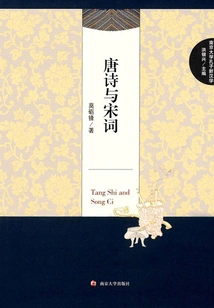
Tang Poetry and Song Lyrics
Literature唐诗与宋词
Mo Lifeng
This book selects classic poets and their works for discussion, and introduces Li Bai and Du Fu as outstanding representatives of Tang poetry, and Su Shi and Xin Qiji as poets with high achievements in Song Dynasty. On this basis, relevant explanations are also given to famous works by Wang Wei, Meng Haoran, Liu Yong, Zhou Bangyan and other famous writers. The writers discussed in the book are all famous, and their works are all classics. Readers may have known about them before. In "Tang Poems and Song Ci", the author is more concerned about their "surpassing the actual environment with their lofty pursuits, and their poems contain rich spiritual power." Inspired by this idea, readers will have a new reading experience of these classics.
This book selects classic poets and their works for discussion, and introduces Li Bai and Du Fu as outstanding representatives of Tang poetry, and Su Shi and Xin Qiji as poets with high achievements in Song Dynasty. On this basis, relevant explanations are also given to famous works by Wang Wei, Meng Haoran, Liu Yong, Zhou Bangyan and other famous writers. The writers discussed in the book are all famous, and their works are all classics. Readers may have known about them before. In "Tang Poems and Song Ci", the author is more concerned about their "surpassing the actual environment with their lofty pursuits, and their poems contain rich spiritual power." Inspired by this idea, readers will have a new reading experience of these classics.
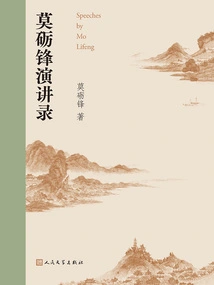
Mo Lifeng's Speech
Literature莫砺锋演讲录
Mo Lifeng
In addition to his in-depth academic research, Mr. Mo Lifeng is enthusiastic about writing popular books and giving public lectures to spread the excellent traditional Chinese culture. "Mo Lifeng's Speeches" contains more than thirty speeches given by Mr. Mo on different occasions. The main part is to explain Tang poetry and Song Ci to the public. The knowledge is accurate and rich, and the language is lively and lively. Famous articles such as "Modern Interpretation of Tang and Song Poetry", "Modern Significance of Tang and Song Poetry", "Who is the Greatest Poet in the Tang Dynasty", "A View of Dongpo Through the Ages", etc. Are deeply loved by readers. This book also includes speeches at the symposium on cultural inheritance and development, speeches on the 100th anniversary of the establishment of the School of Liberal Arts of Nanjing University, speeches at the press conference of several famous scholars' collections, etc. The content includes many aspects of inheriting traditional culture, and is meaningful, profound and elegant.
In addition to his in-depth academic research, Mr. Mo Lifeng is enthusiastic about writing popular books and giving public lectures to spread the excellent traditional Chinese culture. "Mo Lifeng's Speeches" contains more than thirty speeches given by Mr. Mo on different occasions. The main part is to explain Tang poetry and Song Ci to the public. The knowledge is accurate and rich, and the language is lively and lively. Famous articles such as "Modern Interpretation of Tang and Song Poetry", "Modern Significance of Tang and Song Poetry", "Who is the Greatest Poet in the Tang Dynasty", "A View of Dongpo Through the Ages", etc. Are deeply loved by readers. This book also includes speeches at the symposium on cultural inheritance and development, speeches on the 100th anniversary of the establishment of the School of Liberal Arts of Nanjing University, speeches at the press conference of several famous scholars' collections, etc. The content includes many aspects of inheriting traditional culture, and is meaningful, profound and elegant.
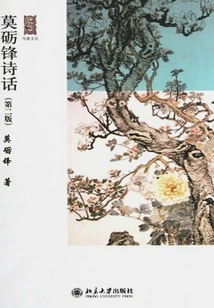
Mo Lizhen's Poems
Literature莫砺锋诗话
Mo Lifeng
"Mo Lifeng's Poetry Talk" is a reading note about classical poetry, and it is also a collection of the author's experience in studying classical poetry for many years. It is divided into forty topics and selects nearly 200 representative works of classical poetry (including lyrics and Sanqu) by category, interprets their texts, analyzes their artistic features, and reveals their charm. The article often combines the author's life experience, and uses easy-to-understand words to describe the author's special background in reading poetry, as well as the unique touch he received during the process of reading poetry, thereby enhancing the readability of the book and trying to find answers to the following questions: Why does classical poetry still have a large readership? The purpose of writing this book is to transform the author's experience in ancient literature research into popular readings, so that excellent Chinese classical poetry can enter the vision of a wider range of contemporary readers.
"Mo Lifeng's Poetry Talk" is a reading note about classical poetry, and it is also a collection of the author's experience in studying classical poetry for many years. It is divided into forty topics and selects nearly 200 representative works of classical poetry (including lyrics and Sanqu) by category, interprets their texts, analyzes their artistic features, and reveals their charm. The article often combines the author's life experience, and uses easy-to-understand words to describe the author's special background in reading poetry, as well as the unique touch he received during the process of reading poetry, thereby enhancing the readability of the book and trying to find answers to the following questions: Why does classical poetry still have a large readership? The purpose of writing this book is to transform the author's experience in ancient literature research into popular readings, so that excellent Chinese classical poetry can enter the vision of a wider range of contemporary readers.
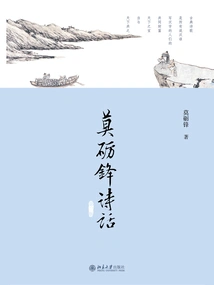
Mo Lizhen's Poems (third Edition)
Literature莫砺锋诗话(第三版)
Mo Lifeng
Time, four seasons, lovesickness, troubles, reading, drinking... This book is divided into forty topics and selects nearly two hundred representative works of classical poetry (including lyrics and Sanqu) by category, interpreting their texts, analyzing their artistic features, and revealing their charm. The article often combines the author's life experience, and uses easy-to-understand words to describe the author's special background in reading poetry, as well as the unique emotions he received during the process of reading poetry, thereby enhancing the readability of the book. The author of this book intends to transform his experience in ancient literature research into popular readings, so that excellent Chinese classical poetry can enter the vision of a wider range of contemporary readers.
Time, four seasons, lovesickness, troubles, reading, drinking... This book is divided into forty topics and selects nearly two hundred representative works of classical poetry (including lyrics and Sanqu) by category, interpreting their texts, analyzing their artistic features, and revealing their charm. The article often combines the author's life experience, and uses easy-to-understand words to describe the author's special background in reading poetry, as well as the unique emotions he received during the process of reading poetry, thereby enhancing the readability of the book. The author of this book intends to transform his experience in ancient literature research into popular readings, so that excellent Chinese classical poetry can enter the vision of a wider range of contemporary readers.