Library
Browse and search books
12 novels found
Sunday Morning Hike
General Fiction星期天早上的远足
Miao Wei
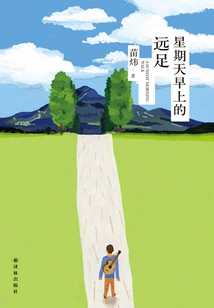
Most of Miao Wei's short stories are set in cities. In this collection of short stories, you will see how a middle-aged uncle who is obsessed with looking for aliens was defrauded by Internet scammers, how a single programmer planned to rob a bank in the style of Robert De Niro's movie, and how a middle school English teacher with hypnosis skills Carrying out psychological entrepreneurship projects, how a young woman obsessed with French romance pretends to travel around the world, and how middle school students born in the 1980s get to know themselves and the world for the first time... These people wandering around the city, with their own strength and cowardice, also reflect the common loneliness and growth of people. Miao Wei uses novels to restore the nuances of daily life, and also adds imaginative music to make the narrative full of unexpected turns. If you like Calvino and Wang Xiaobo, you should also enter the novel world created by Miao Wei and observe the spiritual landscape of modern Chinese people. "Sunday Morning Hiking" collects 7 short and medium-sized stories written by Miao Wei: "Nikko Airport", "Flowing Water", "Police and Aliens", "You Know Too Much", "Flying in the Dark", "Happiness Hotel" and "Sunday Morning Hiking". Miao Wei uses his strange imagination to depict the spiritual illustrations of urban men and women, staging dramas of loneliness, nightmares, hustle, arrogance, loss, and salvation... They have secret dreams in their hearts, roaming all over the city and outside.
Most of Miao Wei's short stories are set in cities. In this collection of short stories, you will see how a middle-aged uncle who is obsessed with looking for aliens was defrauded by Internet scammers, how a single programmer planned to rob a bank in the style of Robert De Niro's movie, and how a middle school English teacher with hypnosis skills Carrying out psychological entrepreneurship projects, how a young woman obsessed with French romance pretends to travel around the world, and how middle school students born in the 1980s get to know themselves and the world for the first time... These people wandering around the city, with their own strength and cowardice, also reflect the common loneliness and growth of people. Miao Wei uses novels to restore the nuances of daily life, and also adds imaginative music to make the narrative full of unexpected turns. If you like Calvino and Wang Xiaobo, you should also enter the novel world created by Miao Wei and observe the spiritual landscape of modern Chinese people. "Sunday Morning Hiking" collects 7 short and medium-sized stories written by Miao Wei: "Nikko Airport", "Flowing Water", "Police and Aliens", "You Know Too Much", "Flying in the Dark", "Happiness Hotel" and "Sunday Morning Hiking". Miao Wei uses his strange imagination to depict the spiritual illustrations of urban men and women, staging dramas of loneliness, nightmares, hustle, arrogance, loss, and salvation... They have secret dreams in their hearts, roaming all over the city and outside.
Master Miao's Literary Life Class
Literature苗师傅文学人生课
Miao Wei
Do people need to daydream more when they are awake? In this world, can anyone understand the weird people who don't fit in with the people around them? Is it because there is no better world, so we should cherish the present? ... You may find answers to the problems you encounter in life in books: about childhood, marriage, women's life, daily poetry, tobacco and alcohol, work and consumerism, the possibility of living away from the hustle and bustle... Taking "literary experience" as the guide, Master Miao started a sincere exchange between readers about reading experience. Through literature and film and television works, he still discusses life problems that have no definite answers: children, marriage and family life, consumerism, desires that "cannot be expressed in words", the ability of the five senses to perceive nature, the "salted fish" state of stillness in life, human malice and the good angels in human nature, etc. Talking about the works based on the theme, he jumps and connects between the hundreds of books and movies he has read. What he shares with you is not only his personal reading experience and a heart that is touched and shaken by good works, but also the common experiences of soberness and soul-warming in the world.
Do people need to daydream more when they are awake? In this world, can anyone understand the weird people who don't fit in with the people around them? Is it because there is no better world, so we should cherish the present? ... You may find answers to the problems you encounter in life in books: about childhood, marriage, women's life, daily poetry, tobacco and alcohol, work and consumerism, the possibility of living away from the hustle and bustle... Taking "literary experience" as the guide, Master Miao started a sincere exchange between readers about reading experience. Through literature and film and television works, he still discusses life problems that have no definite answers: children, marriage and family life, consumerism, desires that "cannot be expressed in words", the ability of the five senses to perceive nature, the "salted fish" state of stillness in life, human malice and the good angels in human nature, etc. Talking about the works based on the theme, he jumps and connects between the hundreds of books and movies he has read. What he shares with you is not only his personal reading experience and a heart that is touched and shaken by good works, but also the common experiences of soberness and soul-warming in the world.
Thirty Lectures on Literary Experience
Literature文学体验三十讲
Miao Wei
Afraid of death? Certainly. Feeling lonely? It's always been a bit lonely. A little crazy? Fine. What will the world look like in the future? Uncertain. Why do I think differently than others? Is there something I don't know about? Are there so many people in the world really related to me? What should I sympathize with and whom can I pity? Am I just a little pitiful? What is love? --"Thirty Lectures on Literary Experience". In "Thirty Lectures on Literary Experience", the novelist Miao Wei shared his reading experience of dozens of foreign literary classics over the years. He also talked about his thoughts on essential issues such as love, loneliness, and death, as well as his understanding of basic objects such as self, others, and the world: "Literary experience is actually about my feelings. These experiences greatly It is mostly related to some difficulties in life. I hope you can gain something, look at life from a literary perspective, and have a more delicate feeling and a richer soul. "A friend said it very powerfully. He said that he is behind the times in reading. "
Afraid of death? Certainly. Feeling lonely? It's always been a bit lonely. A little crazy? Fine. What will the world look like in the future? Uncertain. Why do I think differently than others? Is there something I don't know about? Are there so many people in the world really related to me? What should I sympathize with and whom can I pity? Am I just a little pitiful? What is love? --"Thirty Lectures on Literary Experience". In "Thirty Lectures on Literary Experience", the novelist Miao Wei shared his reading experience of dozens of foreign literary classics over the years. He also talked about his thoughts on essential issues such as love, loneliness, and death, as well as his understanding of basic objects such as self, others, and the world: "Literary experience is actually about my feelings. These experiences greatly It is mostly related to some difficulties in life. I hope you can gain something, look at life from a literary perspective, and have a more delicate feeling and a richer soul. "A friend said it very powerfully. He said that he is behind the times in reading. "
I Finally Finished Reading the Brothers Karamazov: Thirty Lectures on Literary Experience 3
Literature我终于读完了卡拉马佐夫兄弟:文学体验三十讲3
Miao Wei
In this book, Master Miao talks about empathy and second-hand emotions, and confesses her sympathy for the pain of female artists such as Frieda, Woolf, and Plath; talks about the impermanence of fate, and reviews the troubled lives of Benjamin, Eliot, and Proust; talks about how to work hard to read "difficult" masterpieces, such as reading "Ulysses" in Chinese and English, and finally finishing "Ulysses" in Chinese and English. "The Brothers Karamazov"; talks about those great writers who are "not close to you"; talks about the poetics of space, the sense of shelter that descriptive writers bring us; talks about poetic justice, trying to clarify what ordinary people should do when facing humanitarian disasters; and combines the original works to interpret modern movie classics, such as "The Shawshank Redemption", "In Cold Blood", "One Flew Over the Cuckoo's Nest"...
In this book, Master Miao talks about empathy and second-hand emotions, and confesses her sympathy for the pain of female artists such as Frieda, Woolf, and Plath; talks about the impermanence of fate, and reviews the troubled lives of Benjamin, Eliot, and Proust; talks about how to work hard to read "difficult" masterpieces, such as reading "Ulysses" in Chinese and English, and finally finishing "Ulysses" in Chinese and English. "The Brothers Karamazov"; talks about those great writers who are "not close to you"; talks about the poetics of space, the sense of shelter that descriptive writers bring us; talks about poetic justice, trying to clarify what ordinary people should do when facing humanitarian disasters; and combines the original works to interpret modern movie classics, such as "The Shawshank Redemption", "In Cold Blood", "One Flew Over the Cuckoo's Nest"...
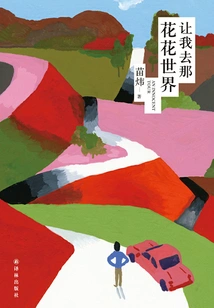
Let Me Go to That Colorful World
Literature让我去那花花世界
Miao Wei
"Let Me Go to the World of Flowers" collects Miao Wei's travel essays over the years. He visited famous cities and searched for historical and literary relics in Jerusalem, Paris, Tokyo, London, and Moscow; traveled through the Siberian wilderness and felt the turbulent past on the Russian land; tasted coffee, fine wine, and food, and traced traces of novels and poems. This world is endlessly beautiful and worth exploring with Master Miao. Miao Wei, with the soul of a novelist, journalist, football fan, and coffee and wine lover, entered the world where Shakespeare, Kafka, Hemingway, and Einstein walked, and felt its beauty and coldness. The places you go will eventually become part of your "self". This travel record is his listening and response to the colorful world.
"Let Me Go to the World of Flowers" collects Miao Wei's travel essays over the years. He visited famous cities and searched for historical and literary relics in Jerusalem, Paris, Tokyo, London, and Moscow; traveled through the Siberian wilderness and felt the turbulent past on the Russian land; tasted coffee, fine wine, and food, and traced traces of novels and poems. This world is endlessly beautiful and worth exploring with Master Miao. Miao Wei, with the soul of a novelist, journalist, football fan, and coffee and wine lover, entered the world where Shakespeare, Kafka, Hemingway, and Einstein walked, and felt its beauty and coldness. The places you go will eventually become part of your "self". This travel record is his listening and response to the colorful world.
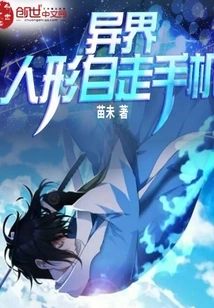
Alien Humanoid Self-propelled Mobile Phone
Light Novel异界人形自走手机
Miao Wei
The original "Don't Bully Crossing Poverty" has been renamed! The time traveler's sense of superiority? It doesn't exist, we are all time travellers. Combat power crushes everything? It doesn't exist, you are just a mobile phone that needs to be charged. Our goal is not to become stronger, our goal is to create the world among the stars and the sea. A weakling protagonist with no ideals comes from a fat house to this passionate world, how will he choose? Just follow the protagonist, travel through this fantasy world, and experience all kinds of ridiculous things with various characters. Tsundere, chuuni, loli, shota, good-for-nothing, poisonous tongue, idiot, novice, etc., Maybe there are some.
The original "Don't Bully Crossing Poverty" has been renamed! The time traveler's sense of superiority? It doesn't exist, we are all time travellers. Combat power crushes everything? It doesn't exist, you are just a mobile phone that needs to be charged. Our goal is not to become stronger, our goal is to create the world among the stars and the sea. A weakling protagonist with no ideals comes from a fat house to this passionate world, how will he choose? Just follow the protagonist, travel through this fantasy world, and experience all kinds of ridiculous things with various characters. Tsundere, chuuni, loli, shota, good-for-nothing, poisonous tongue, idiot, novice, etc., Maybe there are some.
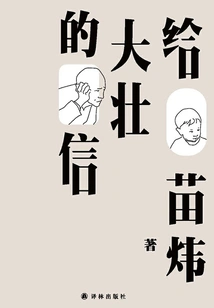
A Letter to Da Zhuang
Literature给大壮的信
Miao Wei
Thirty-eight letters are like a treasure chest that Dad has accumulated for many years, full of the middle-aged father's growth and human experience. They are centered around the four elements of a good life - intelligence, beauty, moral sense, and family, and are told in a story-telling way. In the collision with the uncertain and contradictory real life, as parents and children, how should we determine the basic principles and what kind of way of all things should we adhere to? The famous British anthropologist Alan MacFarlane said that "nothing is true unless it is experienced." It is almost impossible to imagine what love or hunger feels like without experiencing it firsthand. The significance of this book is that when this kind of experience comes, this book will prepare the child and let him understand that he is not alone. What is a good life? What would the best life imaginable be like? Miao Wei, a middle-aged writer who is a father, gives his answer in this book. After his son Da Zhuang was born, Miao Weilu wrote thirty-eight letters one after another, some long and some short, bit by bit, recalling his own growth and recording his experiences in certain fragments. He only hoped that one day, when his son encountered some troubles, he could know through these records that he was not alone. These long and short letters revolve around four theme words: intelligence, beauty, moral sense, and family. These are also the four elements that parents place on their children for a better life.
Thirty-eight letters are like a treasure chest that Dad has accumulated for many years, full of the middle-aged father's growth and human experience. They are centered around the four elements of a good life - intelligence, beauty, moral sense, and family, and are told in a story-telling way. In the collision with the uncertain and contradictory real life, as parents and children, how should we determine the basic principles and what kind of way of all things should we adhere to? The famous British anthropologist Alan MacFarlane said that "nothing is true unless it is experienced." It is almost impossible to imagine what love or hunger feels like without experiencing it firsthand. The significance of this book is that when this kind of experience comes, this book will prepare the child and let him understand that he is not alone. What is a good life? What would the best life imaginable be like? Miao Wei, a middle-aged writer who is a father, gives his answer in this book. After his son Da Zhuang was born, Miao Weilu wrote thirty-eight letters one after another, some long and some short, bit by bit, recalling his own growth and recording his experiences in certain fragments. He only hoped that one day, when his son encountered some troubles, he could know through these records that he was not alone. These long and short letters revolve around four theme words: intelligence, beauty, moral sense, and family. These are also the four elements that parents place on their children for a better life.
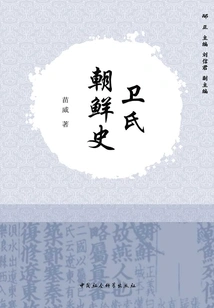
Wei's Korean History
History卫氏朝鲜史
Miao Wei
In the early years of the Western Han Dynasty, King Lu Wan of Yan rebelled. During the rebellion, Wei Man of the Yan people led his troops eastward, crossed the Great Wall, and came to the northwest of the Korean Peninsula on the southern bank of Qingchuan and Han Dynasties. He persuaded the (Ji family) Korea to live to the west. In 195 BC, the rule of the Ji family ended, and Korea entered the period of "Wei family" rule. Wei's North Korea was the "foreign minister" of the Western Han Dynasty and shouldered the obligation to vassal the Han Dynasty. In the past 90 years, North Korea relied on the support of the Han Dynasty to overwhelm the surrounding small countries such as Zhenfan and Lintun. At the same time, it led the peninsula's economy and culture and made great progress. However, due to the failure to fulfill the agreement with the foreign ministers, Emperor Wu of the Han Dynasty sent out land and sea armies to destroy Wei's Korea in 108 BC. He established four counties in his hometown, namely Lelang, Zhenfan, Lintun and Xuantu, thus starting the era of counties on the Korean peninsula.
In the early years of the Western Han Dynasty, King Lu Wan of Yan rebelled. During the rebellion, Wei Man of the Yan people led his troops eastward, crossed the Great Wall, and came to the northwest of the Korean Peninsula on the southern bank of Qingchuan and Han Dynasties. He persuaded the (Ji family) Korea to live to the west. In 195 BC, the rule of the Ji family ended, and Korea entered the period of "Wei family" rule. Wei's North Korea was the "foreign minister" of the Western Han Dynasty and shouldered the obligation to vassal the Han Dynasty. In the past 90 years, North Korea relied on the support of the Han Dynasty to overwhelm the surrounding small countries such as Zhenfan and Lintun. At the same time, it led the peninsula's economy and culture and made great progress. However, due to the failure to fulfill the agreement with the foreign ministers, Emperor Wu of the Han Dynasty sent out land and sea armies to destroy Wei's Korea in 108 BC. He established four counties in his hometown, namely Lelang, Zhenfan, Lintun and Xuantu, thus starting the era of counties on the Korean peninsula.
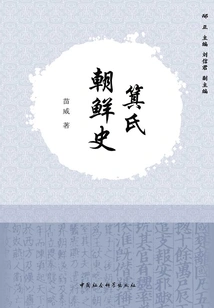
Jishi's Korean History
History箕氏朝鲜史
Miao Wei
Jizi is one of the "three benevolences" of the Yin Dynasty praised by Confucius. In the early years of the Western Zhou Dynasty, Jizi left the Central Plains and moved east to the Korean Peninsula. King Wu of Zhou made him a Marquis of Korea and implemented the "Eight Principles of Teaching" in the local area. The Ji family has been operating in the Korean Peninsula for more than 800 years and is a princely state of Zhou Dynasty. At the end of the 4th century BC, the Zongzhou rites collapsed, and the Marquis of Yan and others pretended to be kings, and the Marquis of Joseon subsequently called himself the King of Joseon. After the establishment of the Qin Dynasty, the Ji family belonged to Qin, and at the same time had contacts with surrounding forces such as Qi, Yan, and Donghu. In 195 BC, Wei Man of the Yan people replaced the Ji family and became the king of Korea, and Korea entered the era of "Wei family" rule. Jishi Korea played an important role in promoting the civilization, rituals, music, economic development and other historical processes of the Korean Peninsula.
Jizi is one of the "three benevolences" of the Yin Dynasty praised by Confucius. In the early years of the Western Zhou Dynasty, Jizi left the Central Plains and moved east to the Korean Peninsula. King Wu of Zhou made him a Marquis of Korea and implemented the "Eight Principles of Teaching" in the local area. The Ji family has been operating in the Korean Peninsula for more than 800 years and is a princely state of Zhou Dynasty. At the end of the 4th century BC, the Zongzhou rites collapsed, and the Marquis of Yan and others pretended to be kings, and the Marquis of Joseon subsequently called himself the King of Joseon. After the establishment of the Qin Dynasty, the Ji family belonged to Qin, and at the same time had contacts with surrounding forces such as Qi, Yan, and Donghu. In 195 BC, Wei Man of the Yan people replaced the Ji family and became the king of Korea, and Korea entered the era of "Wei family" rule. Jishi Korea played an important role in promoting the civilization, rituals, music, economic development and other historical processes of the Korean Peninsula.
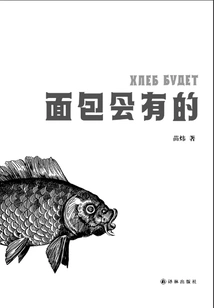
There Will Be Bread
General Fiction面包会有的
Miao Wei
"There will be bread": There will be bread, and everything will be there. This is a mantra for surviving difficult times, and it is also the result of David Yang's years of hard work. He stands at the top of the food chain with peace of mind and can eat the rarest and most delicacies on earth. During a food tour, he and Zhu Hailun completed a secret acquaintance between two foodies. Unexpectedly, David Yang suffered a serious illness and almost died. After the beauty left, the reborn David Yang also had to say goodbye to delicious food and rely only on simply cooked food. After eating simply, his desires also changed, and he missed the time when bread was not widely available. "Potatoes Are Cooked": Explorers Columbus and Magellan added new continents and oceans to the map, and philosophers Descartes and Newton changed the trajectory of the mind in the universe, but who initiated the revolutions in human taste buds?
"There will be bread": There will be bread, and everything will be there. This is a mantra for surviving difficult times, and it is also the result of David Yang's years of hard work. He stands at the top of the food chain with peace of mind and can eat the rarest and most delicacies on earth. During a food tour, he and Zhu Hailun completed a secret acquaintance between two foodies. Unexpectedly, David Yang suffered a serious illness and almost died. After the beauty left, the reborn David Yang also had to say goodbye to delicious food and rely only on simply cooked food. After eating simply, his desires also changed, and he missed the time when bread was not widely available. "Potatoes Are Cooked": Explorers Columbus and Magellan added new continents and oceans to the map, and philosophers Descartes and Newton changed the trajectory of the mind in the universe, but who initiated the revolutions in human taste buds?
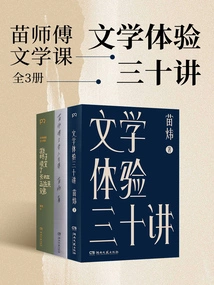
Master Miao's Literature Class: Thirty Lectures on Literary Experience (3 Volumes in Total)
Literature苗师傅文学课:文学体验三十讲(全3册)
Miao Wei
In "Thirty Lectures on Literary Experience", the novelist Miao Wei shared his reading experience of dozens of foreign literary classics over the years, and a literary reading guide that incorporated the collaborator's own life experience. He also talked about his thoughts on essential issues such as love, loneliness, and death, as well as his understanding of basic objects such as self, others, and the world: "Literary experience is actually about my feelings. Feelings, most of these experiences are related to some difficulties in life. I hope you gain something, look at life from a literary perspective, look at the human situation, feel a little more delicate, and have a richer soul. "Enter words, experience many possibilities and infinite life, understand the chaos and complexity of the human heart; feel with your heart, learn to get along with loss and pain, and finally be able to resist loneliness and gain comfort.
In "Thirty Lectures on Literary Experience", the novelist Miao Wei shared his reading experience of dozens of foreign literary classics over the years, and a literary reading guide that incorporated the collaborator's own life experience. He also talked about his thoughts on essential issues such as love, loneliness, and death, as well as his understanding of basic objects such as self, others, and the world: "Literary experience is actually about my feelings. Feelings, most of these experiences are related to some difficulties in life. I hope you gain something, look at life from a literary perspective, look at the human situation, feel a little more delicate, and have a richer soul. "Enter words, experience many possibilities and infinite life, understand the chaos and complexity of the human heart; feel with your heart, learn to get along with loss and pain, and finally be able to resist loneliness and gain comfort.
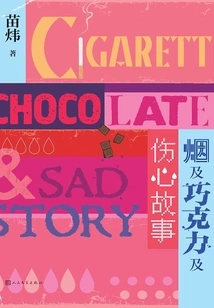
Smoke and Chocolate and Sad Stories
General Fiction烟及巧克力及伤心故事
Miao Wei
This is a series of sad stories behind the bustling life, and it is also a spiritual guide for contemporary urban men and women. In the era of consumption, the urban middle class's life and emotional state are eccentric: radio hosts, screenwriters, psychiatrists, university professors, company owners, law firm partners... Each protagonist has money, leisure, culture and taste, and a bright appearance. However, the restlessness and restlessness behind their souls, those mental illnesses or quirks, fragile bodies or lives, shaky emotional relationships, and identities and statuses that may instantly return to zero, seem to be their fate that is difficult to escape. The more you see through it, the more you become obsessed with it, the more lively it becomes, the more lonely you become, the more happy you become, the more boring it becomes. There is only one thought between the middle class and the urbanites.
This is a series of sad stories behind the bustling life, and it is also a spiritual guide for contemporary urban men and women. In the era of consumption, the urban middle class's life and emotional state are eccentric: radio hosts, screenwriters, psychiatrists, university professors, company owners, law firm partners... Each protagonist has money, leisure, culture and taste, and a bright appearance. However, the restlessness and restlessness behind their souls, those mental illnesses or quirks, fragile bodies or lives, shaky emotional relationships, and identities and statuses that may instantly return to zero, seem to be their fate that is difficult to escape. The more you see through it, the more you become obsessed with it, the more lively it becomes, the more lonely you become, the more happy you become, the more boring it becomes. There is only one thought between the middle class and the urbanites.