Library
Browse and search books
3 novels found
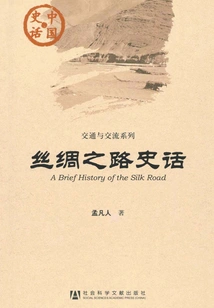
Silk Road History
History丝绸之路史话
Meng Fanren
Text on the back cover of Mortal's "History of the Silk Road" The Silk Road was the link connecting the ancient East and West and the nations along the route, and was the golden bridge built between them. Through it, Chinese silk, which was elegant, luxurious, highly practical and aesthetic, was exported to the West, causing a huge sensation and far-reaching influence. In the process of opening up and developing the Silk Road, the ancestors of the Han and Tang dynasties played a leading role and made indelible and outstanding contributions. Today in the 21st century, an Eurasian continental bridge, known as the new modern "Silk Road" but better than the ancient "Silk Road", is emerging and taking shape. Under this situation, when we study the "Silk Road", we must not only draw lessons from history and summarize the past; we must also connect it with the modern "Eurasian Continental Bridge" and conduct comparative studies to make the past serve the present.
Text on the back cover of Mortal's "History of the Silk Road" The Silk Road was the link connecting the ancient East and West and the nations along the route, and was the golden bridge built between them. Through it, Chinese silk, which was elegant, luxurious, highly practical and aesthetic, was exported to the West, causing a huge sensation and far-reaching influence. In the process of opening up and developing the Silk Road, the ancestors of the Han and Tang dynasties played a leading role and made indelible and outstanding contributions. Today in the 21st century, an Eurasian continental bridge, known as the new modern "Silk Road" but better than the ancient "Silk Road", is emerging and taking shape. Under this situation, when we study the "Silk Road", we must not only draw lessons from history and summarize the past; we must also connect it with the modern "Eurasian Continental Bridge" and conduct comparative studies to make the past serve the present.

尼雅遗址与于阗史研究
Meng Fanren
"Research on the Niya Ruins and the History of Khotan" respectively discusses the history, writing, political system and social composition of the Niya Ruins and Khotan. Meng Fan's discovery of the Niya ruins and his research on the history of Khotan have provided valuable information for studying the relationship between the Central Plains Dynasty and the ancient countries in the Western Regions, as well as studying the cultural exchanges between the East and the West and the Silk Road. It is an important result of the author's many years of academic research.
"Research on the Niya Ruins and the History of Khotan" respectively discusses the history, writing, political system and social composition of the Niya Ruins and Khotan. Meng Fan's discovery of the Niya ruins and his research on the history of Khotan have provided valuable information for studying the relationship between the Central Plains Dynasty and the ancient countries in the Western Regions, as well as studying the cultural exchanges between the East and the West and the Silk Road. It is an important result of the author's many years of academic research.
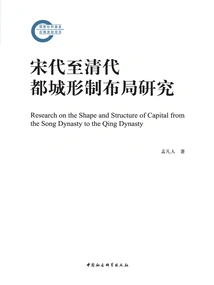
宋代至清代都城形制布局研究
Meng Fanren
The capital structure from the Song Dynasty to the Qing Dynasty was in an important period of change, transformation and finalization of the ancient Chinese capital structure. Mainly based on archaeological survey and excavation data, this book introduces and discusses the planning concepts and layout of formal capitals such as Kaifeng Prefecture in Tokyo in the Northern Song Dynasty, Lin'an Prefecture in the Southern Song Dynasty, Shangjing in the Liao Dynasty, Shangjing in the Jin Dynasty, Zhongdu in the Jin Dynasty, Shangdu in the Yuan Dynasty, Dadu in the Yuan Dynasty, Nanjing City in the Ming Dynasty, and Beijing City in the Ming Dynasty. This book believes that each capital is the materialized form of its planning concept. Therefore, this book presents the specific structure of each capital's layout in a relatively complete manner, making it a platform for comprehensive, in-depth, and connotative research on each capital. On this basis, it analyzes its characteristics and layout art, analyzes the inheritance and evolution relationship between the layouts of various capitals, summarizes the commonalities of the layout of the capitals in this period, and explores the development and change rules of the layout of the capitals in this period.
The capital structure from the Song Dynasty to the Qing Dynasty was in an important period of change, transformation and finalization of the ancient Chinese capital structure. Mainly based on archaeological survey and excavation data, this book introduces and discusses the planning concepts and layout of formal capitals such as Kaifeng Prefecture in Tokyo in the Northern Song Dynasty, Lin'an Prefecture in the Southern Song Dynasty, Shangjing in the Liao Dynasty, Shangjing in the Jin Dynasty, Zhongdu in the Jin Dynasty, Shangdu in the Yuan Dynasty, Dadu in the Yuan Dynasty, Nanjing City in the Ming Dynasty, and Beijing City in the Ming Dynasty. This book believes that each capital is the materialized form of its planning concept. Therefore, this book presents the specific structure of each capital's layout in a relatively complete manner, making it a platform for comprehensive, in-depth, and connotative research on each capital. On this basis, it analyzes its characteristics and layout art, analyzes the inheritance and evolution relationship between the layouts of various capitals, summarizes the commonalities of the layout of the capitals in this period, and explores the development and change rules of the layout of the capitals in this period.