Library
Browse and search books
1 novel found
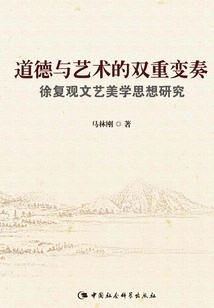
The Double Variation of Morality and Art: a Study of Xu Fuguan's Thoughts on Literary Aesthetics
Literature道德与艺术的双重变奏:徐复观文艺美学思想研究
Ma Linggang
As an important representative of modern New Confucianism, Xu Fuguan has always believed that "morality and art are the two pillars of Chinese culture." His literary and aesthetic thoughts are based on "benevolence". In his ideological system, "heart" is endowed with extremely profound and broad spiritual connotations. "Heart" means "situation" and "mind" is the basis, which reflects the distinctive feature that Chinese aesthetics and art theory originate from human moral psychology and spiritual structure; his literary aesthetic thoughts also present the beauty of art. He pioneered the art creation method of "pursuing experience" and "second nature". By mobilizing one's own experience, he connects with the spiritual experience of the research object, and in the process of restoring "second nature", he realizes the spiritual integration of ancient and modern people, authors and readers, researchers and research objects.
As an important representative of modern New Confucianism, Xu Fuguan has always believed that "morality and art are the two pillars of Chinese culture." His literary and aesthetic thoughts are based on "benevolence". In his ideological system, "heart" is endowed with extremely profound and broad spiritual connotations. "Heart" means "situation" and "mind" is the basis, which reflects the distinctive feature that Chinese aesthetics and art theory originate from human moral psychology and spiritual structure; his literary aesthetic thoughts also present the beauty of art. He pioneered the art creation method of "pursuing experience" and "second nature". By mobilizing one's own experience, he connects with the spiritual experience of the research object, and in the process of restoring "second nature", he realizes the spiritual integration of ancient and modern people, authors and readers, researchers and research objects.