Library
Browse and search books
10 novels found
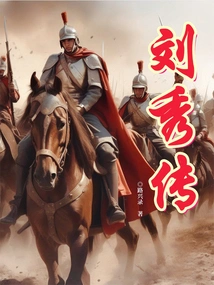
Liu Xiuchuan
General Fiction刘秀传
Lu Xinglu
During Liu Xiu's tour in Hebei, he used the strategy of "to calm the world first, and then the world will be at peace." He gathered talents and appeased the people, and his power continued to grow. Based on the 100 people who first left Hebei, it has developed into a huge army of nearly 200,000 people. With the concerted efforts of the generals, they traveled thousands of miles to quell the rebellion under the banner of "a wise king rules the world with law." In the chaotic situation where emperors were established in all directions, Wang Lang was destroyed, Bronze Horse was killed, Red Eyebrow was defeated, Chengdu was conquered and Gongsun Shu was killed. The rebel separatist forces in Xizhou and Xishu were pacified, and the rebel forces in the inner palace were eliminated. Finally unified the world, in 25 AD, Liu Xiu, who was only 30 years old, proclaimed himself emperor in Hacheng, Hebei Province and became the founder of the Eastern Han Dynasty, known as Emperor Guangwu in history.
During Liu Xiu's tour in Hebei, he used the strategy of "to calm the world first, and then the world will be at peace." He gathered talents and appeased the people, and his power continued to grow. Based on the 100 people who first left Hebei, it has developed into a huge army of nearly 200,000 people. With the concerted efforts of the generals, they traveled thousands of miles to quell the rebellion under the banner of "a wise king rules the world with law." In the chaotic situation where emperors were established in all directions, Wang Lang was destroyed, Bronze Horse was killed, Red Eyebrow was defeated, Chengdu was conquered and Gongsun Shu was killed. The rebel separatist forces in Xizhou and Xishu were pacified, and the rebel forces in the inner palace were eliminated. Finally unified the world, in 25 AD, Liu Xiu, who was only 30 years old, proclaimed himself emperor in Hacheng, Hebei Province and became the founder of the Eastern Han Dynasty, known as Emperor Guangwu in history.
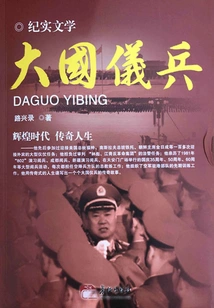
Great Nation's Military Honors
Literature大国仪兵
Lu Xinglu
Legendary life in the glorious era - he has participated in more than 100 large-scale ceremonial missions to welcome foreign guests such as President Ford of the United States, President Tito of Yugoslavia, and Chairman Kim Il-sung of North Korea; he has been responsible for the judicial police task of trying the "Lin Biao and Jiang Qing Counterrevolutionary Group"; he has personally experienced the events of 1981 He served as the chief coach of the airborne force at each of the "802" exercise parade, Chengdu military parade, Xinjiang exercise parade, and the 35th, 50th, and 60th anniversary of the National Day held in Tiananmen Square. He also organized the preliminary training of the Air Force garrison in Hong Kong. He used his legendary life to compose the legendary stories of the great national honor soldiers!
Legendary life in the glorious era - he has participated in more than 100 large-scale ceremonial missions to welcome foreign guests such as President Ford of the United States, President Tito of Yugoslavia, and Chairman Kim Il-sung of North Korea; he has been responsible for the judicial police task of trying the "Lin Biao and Jiang Qing Counterrevolutionary Group"; he has personally experienced the events of 1981 He served as the chief coach of the airborne force at each of the "802" exercise parade, Chengdu military parade, Xinjiang exercise parade, and the 35th, 50th, and 60th anniversary of the National Day held in Tiananmen Square. He also organized the preliminary training of the Air Force garrison in Hong Kong. He used his legendary life to compose the legendary stories of the great national honor soldiers!
Eastern Han Dynasty 1: Gathering in the Green Forest
General Fiction东汉王朝1:绿林聚义
Lu Xinglu
It mainly narrates the heroic story of the peasant rebels in Dahong Mountain (called Green Forest Mountain in the Western Han Dynasty).
It mainly narrates the heroic story of the peasant rebels in Dahong Mountain (called Green Forest Mountain in the Western Han Dynasty).
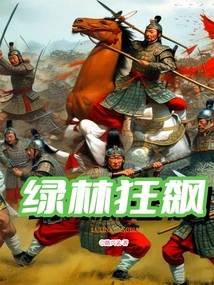
Green Forest Rush
General Fiction绿林狂飙
Lu Xinglu
In the 17th year of the AD, during Wang Mang's new reign, most parts of the country were plagued by floods, droughts and locusts for many years. The people lacked food and clothing, and mourned everywhere. In addition, there were many government corvees and excessive levies. The people in the Green Forest Mountain area were even more miserable. Wang Kuang, Wang Feng, and Wang Chang from Jingshan New City raised the banner of rebellion. In a few months, the number grew to 7,000 to 8,000 people, and they were known as the "Green Forest Army" in history. In January 23 AD, the Green Forest Army advanced westward and approached Wancheng, a military town ruled by Wang Mang. At this time, the Green Forest Army had grown to more than 100,000 people. In order to prevent the Liu brothers from usurping the fruits of victory, the Green Forest Rebel Army insisted on February 1, 23 AD. On the first day of February in the Qingshui (now Baihe), an altar was set up on the sandbank in Qingshui (now Baihe) to support Liu Xuan, a weak and incompetent member of the Liu family, as emperor. They were named "Gengshi" and the Green Forest Army was also renamed "Han Army".
In the 17th year of the AD, during Wang Mang's new reign, most parts of the country were plagued by floods, droughts and locusts for many years. The people lacked food and clothing, and mourned everywhere. In addition, there were many government corvees and excessive levies. The people in the Green Forest Mountain area were even more miserable. Wang Kuang, Wang Feng, and Wang Chang from Jingshan New City raised the banner of rebellion. In a few months, the number grew to 7,000 to 8,000 people, and they were known as the "Green Forest Army" in history. In January 23 AD, the Green Forest Army advanced westward and approached Wancheng, a military town ruled by Wang Mang. At this time, the Green Forest Army had grown to more than 100,000 people. In order to prevent the Liu brothers from usurping the fruits of victory, the Green Forest Rebel Army insisted on February 1, 23 AD. On the first day of February in the Qingshui (now Baihe), an altar was set up on the sandbank in Qingshui (now Baihe) to support Liu Xuan, a weak and incompetent member of the Liu family, as emperor. They were named "Gengshi" and the Green Forest Army was also renamed "Han Army".
Wang Mang Usurped Power
General Fiction王莽篡政
Lu Xinglu
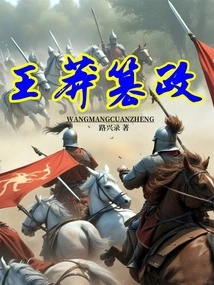
On Wuwu Day in June of the second year of Yuan Shou, the declining Western Han Dynasty royal family was on the verge of collapse. The 26-year-old Emperor Ai gave up and left. Wang Mang, the Marquis of Xindu, who was sent back to the feudal country, took advantage of the sorrow and chaos in the palace to coerce the Empress Dowager and defraud the emperor's seal and jade seal, seize the Han Dynasty, and establish himself as the emperor to tyrannize the world. The sky was angry and people were resentful, and the people were in dire straits. They rose up one after another and overthrew the stupid and unscrupulous emperor.
On Wuwu Day in June of the second year of Yuan Shou, the declining Western Han Dynasty royal family was on the verge of collapse. The 26-year-old Emperor Ai gave up and left. Wang Mang, the Marquis of Xindu, who was sent back to the feudal country, took advantage of the sorrow and chaos in the palace to coerce the Empress Dowager and defraud the emperor's seal and jade seal, seize the Han Dynasty, and establish himself as the emperor to tyrannize the world. The sky was angry and people were resentful, and the people were in dire straits. They rose up one after another and overthrew the stupid and unscrupulous emperor.
Liuguan Beacon Fire
General Fiction柳关烽火
Lu Xinglu
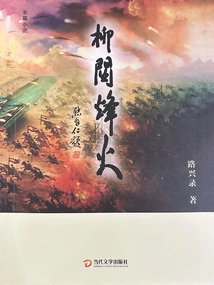
"The Beacon Fire at Liuguan" is a novel compiled by Lu Xinglu based on the red history of Liuguan. At Red Liuguan, more than 12,000 unknown martyrs, revolutionary martyrs and national heroes, each have their own legendary stories. In order to eliminate the reactionary forces of the Kuomintang, they carried out armed riots, attacked the local tyrants to divide their land, suppressed bandits and rebelled against hegemony. They worked together with the Red Army guerrillas to attack the reactionary forces of the Kuomintang. The plot was moving and heartfelt. Especially the twenty-three and a half martyrs who fought to the death against the enemy, and Zhang Caixia's heroic and unyielding heroic sacrifice in the face of the enemy's butcher's knife. Heroes from all walks of life on the red battlefield of Liuguan Fenghuo interpreted a truth with their blood and lives: only the red "fortress" condensed with the hearts of the people is the real "iron-blooded fortress." Prosperous age - loyal soul.
"The Beacon Fire at Liuguan" is a novel compiled by Lu Xinglu based on the red history of Liuguan. At Red Liuguan, more than 12,000 unknown martyrs, revolutionary martyrs and national heroes, each have their own legendary stories. In order to eliminate the reactionary forces of the Kuomintang, they carried out armed riots, attacked the local tyrants to divide their land, suppressed bandits and rebelled against hegemony. They worked together with the Red Army guerrillas to attack the reactionary forces of the Kuomintang. The plot was moving and heartfelt. Especially the twenty-three and a half martyrs who fought to the death against the enemy, and Zhang Caixia's heroic and unyielding heroic sacrifice in the face of the enemy's butcher's knife. Heroes from all walks of life on the red battlefield of Liuguan Fenghuo interpreted a truth with their blood and lives: only the red "fortress" condensed with the hearts of the people is the real "iron-blooded fortress." Prosperous age - loyal soul.
Maternal Love
General Fiction母爱
Lu Xinglu
This book records the ups and downs of principal Li Yuying's hard work in establishing an elite civil and military school. The contents include: rescuing a weak girl will lead to death; being caught and destroying the Ding family; and breaking Yingcheng Shaohua's meritorious service.
This book records the ups and downs of principal Li Yuying's hard work in establishing an elite civil and military school. The contents include: rescuing a weak girl will lead to death; being caught and destroying the Ding family; and breaking Yingcheng Shaohua's meritorious service.
东汉王朝3:鄗邑称尊
Lu Xinglu
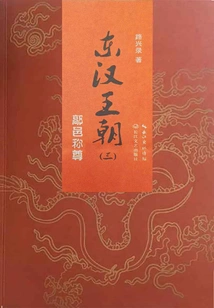
In early October of the first year of Gengshi, Liu Xiu left Luoyang and crossed the Yellow River to go north. Heroes came one after another, willing to follow and work together for a great cause. With the concerted efforts of a group of people with lofty ideals, he fought the rebellion thousands of miles under the banner of "a wise king rules the world with law"; in the chaos of establishing an emperor from all directions Under the situation, he destroyed Wang Lang, killed Bronze Horse, pacified Hebei, and became famous all over the world. Under the strong persuasion of his subordinates, Liu Xiu decided to honor Hebei in order to realize Chung Ling's long-cherished wish of raising troops to "restore the cause of the great ancestor and determine the fate of all things." On the sixth day of June in AD 25, Liu Xiu, who was only 30 years old, became the founder of the Eastern Han Dynasty and was known as Emperor Guangwu in history.
In early October of the first year of Gengshi, Liu Xiu left Luoyang and crossed the Yellow River to go north. Heroes came one after another, willing to follow and work together for a great cause. With the concerted efforts of a group of people with lofty ideals, he fought the rebellion thousands of miles under the banner of "a wise king rules the world with law"; in the chaos of establishing an emperor from all directions Under the situation, he destroyed Wang Lang, killed Bronze Horse, pacified Hebei, and became famous all over the world. Under the strong persuasion of his subordinates, Liu Xiu decided to honor Hebei in order to realize Chung Ling's long-cherished wish of raising troops to "restore the cause of the great ancestor and determine the fate of all things." On the sixth day of June in AD 25, Liu Xiu, who was only 30 years old, became the founder of the Eastern Han Dynasty and was known as Emperor Guangwu in history.
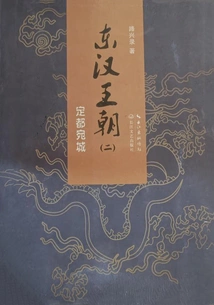
东汉王朝2:定都宛城
Lu Xinglu
On May 28 of the first year of Gengshi, after Liu Xuan led the Han army to attack Wancheng, Liu Xuan, who had just secured his throne, in order to prevent the Liu brothers from stealing the power of the peasant rebels, only made the Liu Yan, the most accomplished Liu brother, a Han minister. Not only did Liu Xiu not be granted the title, he was also included in the list of dissidents to be eliminated. In June of the same year, Liu Yan was beheaded in a trap set by Liu Xuanjun and his ministers. Although Liu Xiu had the sworn hatred of killing his brother, in order to save his life from being executed, he took the initiative to go back to the Golden Palace in the capital to plead guilty and endured the humiliation. Although Liu Xiu's painful heart was bleeding, he still thanked Liu Xuan with tears of gratitude for not punishing him for his crime of consecutive sittings. He enthusiastically practiced etiquette for the restoration of the Han Dynasty and built a lot of construction for the reform of moving the capital to Luoyang. Finally, he won the emperor's trust and appointed Liu Xiu as the general of Polu. He was responsible for the affairs of the general, and was responsible for crossing the Yellow River to pacify Hebei.
On May 28 of the first year of Gengshi, after Liu Xuan led the Han army to attack Wancheng, Liu Xuan, who had just secured his throne, in order to prevent the Liu brothers from stealing the power of the peasant rebels, only made the Liu Yan, the most accomplished Liu brother, a Han minister. Not only did Liu Xiu not be granted the title, he was also included in the list of dissidents to be eliminated. In June of the same year, Liu Yan was beheaded in a trap set by Liu Xuanjun and his ministers. Although Liu Xiu had the sworn hatred of killing his brother, in order to save his life from being executed, he took the initiative to go back to the Golden Palace in the capital to plead guilty and endured the humiliation. Although Liu Xiu's painful heart was bleeding, he still thanked Liu Xuan with tears of gratitude for not punishing him for his crime of consecutive sittings. He enthusiastically practiced etiquette for the restoration of the Han Dynasty and built a lot of construction for the reform of moving the capital to Luoyang. Finally, he won the emperor's trust and appointed Liu Xiu as the general of Polu. He was responsible for the affairs of the general, and was responsible for crossing the Yellow River to pacify Hebei.
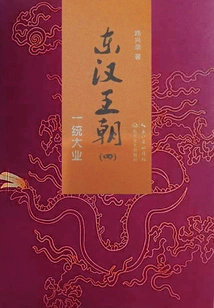
东汉王朝4:一统大业
Lu Xinglu
After Liu Xiu destroyed Wang Lang and proclaimed himself emperor by surrendering his bronze horse to Haocheng in Hebei Province, he continued to lead his troops back south. He defeated Chimei successively, regained the generals and cities of Gengshi, and went on two personal expeditions to pacify the rebel separatist forces in Xizhou and Xishu. He conquered Chengdu and killed Gongsun Shu, and eliminated the rebel forces in the inner palace. He finally unified the world and became the founder of the Eastern Han Dynasty, known as Emperor Guangwu in history. It is said that one who can bring glory to Shaoxing's previous achievements and can overcome disasters and chaos should be named Emperor Guangwu. He is well-deserved. Guangwu will be revived and history will be remembered as a hero. Emperor Guangwu Liu Xiu advocated etiquette and righteousness in disputes, followed Taoism in troubled times, and cultivated civilized and martial arts, so that the Han Zuo clan was revived after a break, which was known as the "Guangwu Zhongxing" in history. Throughout Liu Xiu's life, he took advantage of the situation in troubled times. Although he was caught in the cracks of a group of people, he was able to endure humiliation, use both civil and military skills, and always insisted on treating others with tolerance, governing the country with judo, and creating a new generation.
After Liu Xiu destroyed Wang Lang and proclaimed himself emperor by surrendering his bronze horse to Haocheng in Hebei Province, he continued to lead his troops back south. He defeated Chimei successively, regained the generals and cities of Gengshi, and went on two personal expeditions to pacify the rebel separatist forces in Xizhou and Xishu. He conquered Chengdu and killed Gongsun Shu, and eliminated the rebel forces in the inner palace. He finally unified the world and became the founder of the Eastern Han Dynasty, known as Emperor Guangwu in history. It is said that one who can bring glory to Shaoxing's previous achievements and can overcome disasters and chaos should be named Emperor Guangwu. He is well-deserved. Guangwu will be revived and history will be remembered as a hero. Emperor Guangwu Liu Xiu advocated etiquette and righteousness in disputes, followed Taoism in troubled times, and cultivated civilized and martial arts, so that the Han Zuo clan was revived after a break, which was known as the "Guangwu Zhongxing" in history. Throughout Liu Xiu's life, he took advantage of the situation in troubled times. Although he was caught in the cracks of a group of people, he was able to endure humiliation, use both civil and military skills, and always insisted on treating others with tolerance, governing the country with judo, and creating a new generation.