Library
Browse and search books
3 novels found
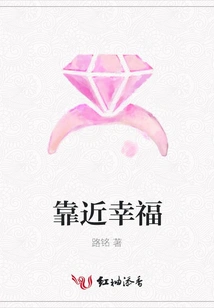
Close to Happiness
Modern Romance靠近幸福
Lu Ming
Why fear love? Why are you afraid of marriage? How to love the one you love? How to protect and cherish your lover? Your loved ones? Between happiness and pain, who is closest to whom? Is it some secret arrangement or do you have to fight for it yourself? Turn around, get closer to happiness, get closer to happiness.
Why fear love? Why are you afraid of marriage? How to love the one you love? How to protect and cherish your lover? Your loved ones? Between happiness and pain, who is closest to whom? Is it some secret arrangement or do you have to fight for it yourself? Turn around, get closer to happiness, get closer to happiness.
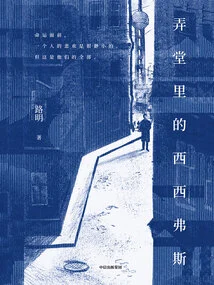
Sisyphus in the Alley
General Fiction弄堂里的西西弗斯
Lu Ming
For a long time, "Made in Shanghai" was synonymous with high-quality fashion. Regarding the misunderstandings about Shanghainese, one is that they are stingy, and the other is that they are elegant. Lao Kele or Lao Jinzhi Laoyuye, wearing straight clothes, close-fitting cheongsam, eating coffee and dancing are all individual phenomena. After the Spring Festival, some people went north to study, some went south to Shenzhen and Haikou, some went to Japan to work illegally, some moved to Australia, and the rest were scattered with the demolition of old houses to various suburban counties in Shanghai, creating a tragic and comic series. The streets of Shanghai are full of laid-off workers and low-income households worth millions. Those who want to be able to wear it, sell their houses, sign up for the Sunset Red Tour Group, and come back to live in a nursing home. Those who want to be able to wear it, still look diligently at it, guarding these bricks and trees, and leaving them to their children and grandchildren in the future. This book records several ordinary Shanghainese people and their ordinary pride and dignity.
For a long time, "Made in Shanghai" was synonymous with high-quality fashion. Regarding the misunderstandings about Shanghainese, one is that they are stingy, and the other is that they are elegant. Lao Kele or Lao Jinzhi Laoyuye, wearing straight clothes, close-fitting cheongsam, eating coffee and dancing are all individual phenomena. After the Spring Festival, some people went north to study, some went south to Shenzhen and Haikou, some went to Japan to work illegally, some moved to Australia, and the rest were scattered with the demolition of old houses to various suburban counties in Shanghai, creating a tragic and comic series. The streets of Shanghai are full of laid-off workers and low-income households worth millions. Those who want to be able to wear it, sell their houses, sign up for the Sunset Red Tour Group, and come back to live in a nursing home. Those who want to be able to wear it, still look diligently at it, guarding these bricks and trees, and leaving them to their children and grandchildren in the future. This book records several ordinary Shanghainese people and their ordinary pride and dignity.
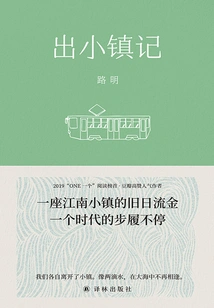
Leaving a Small Town
Literature出小镇记
Lu Ming
A story about growth and change through the eyes of a child. In the 1980s and 1990s, in a peaceful small town in the south of the Yangtze River, there came a group of Shanghainese who were trapped by the times, as well as the children of educated youth and children of factories and mines who migrated with their parents. The young man rushed between the small town and Shanghai, like repeated practice. One day, they left the town and went to their own destiny. Looking back many years later, the Xia Jia Bridge, Dragon King Temple, pastry shop, arcade machine room, National Second Factory, and group portraits of generations apart in the small town have been rebuilt in a backwards way. A period of history and several generations of life are all answered in the years.
A story about growth and change through the eyes of a child. In the 1980s and 1990s, in a peaceful small town in the south of the Yangtze River, there came a group of Shanghainese who were trapped by the times, as well as the children of educated youth and children of factories and mines who migrated with their parents. The young man rushed between the small town and Shanghai, like repeated practice. One day, they left the town and went to their own destiny. Looking back many years later, the Xia Jia Bridge, Dragon King Temple, pastry shop, arcade machine room, National Second Factory, and group portraits of generations apart in the small town have been rebuilt in a backwards way. A period of history and several generations of life are all answered in the years.