Library
Browse and search books
1 novel found
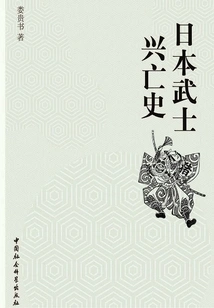
日本武士兴亡史
Lou Guishu
During the Heian period, samurai were private armed forces and rebels against the emperor's regime; during the shogunate period, samurai were the ruling class and national role models who took orders from the emperor; during the Meiji, Taisho, and early Showa eras, samurai were the helmsmen of the bourgeois regime, which not only shaped Japan's world-renowned modernization achievements, but also made Japan sink deeper and deeper into the quagmire of militarism. This book takes samurai as the main line and discusses "the rise and fall of samurai", "the military rule of samurai", and "the war spirit and ideal value of samurai". Elucidate the historical process of how samurai developed from a private armed group to a feudal ruling class and national model that exercised political authority, and then evolved into the protagonists of Japan's modernization, reproducing the true and complete picture of samurai. Elucidate how the military rule of samurai changed the historical direction and social system of Japan, leading Japan to embark on the path of militarism that emphasized military force over civility, and the impact of the political legacy of samurai governance on modern Japan. Elucidate how bushido developed from the moral norms and code of conduct of private violent groups to the ideal values and ruling ideas of the shogunate era, and then became the ideal values and ruling ideas of modern society. How it interpenetrated and nourished each other with Japanese national culture, and became the core content of the Japanese national spirit.
During the Heian period, samurai were private armed forces and rebels against the emperor's regime; during the shogunate period, samurai were the ruling class and national role models who took orders from the emperor; during the Meiji, Taisho, and early Showa eras, samurai were the helmsmen of the bourgeois regime, which not only shaped Japan's world-renowned modernization achievements, but also made Japan sink deeper and deeper into the quagmire of militarism. This book takes samurai as the main line and discusses "the rise and fall of samurai", "the military rule of samurai", and "the war spirit and ideal value of samurai". Elucidate the historical process of how samurai developed from a private armed group to a feudal ruling class and national model that exercised political authority, and then evolved into the protagonists of Japan's modernization, reproducing the true and complete picture of samurai. Elucidate how the military rule of samurai changed the historical direction and social system of Japan, leading Japan to embark on the path of militarism that emphasized military force over civility, and the impact of the political legacy of samurai governance on modern Japan. Elucidate how bushido developed from the moral norms and code of conduct of private violent groups to the ideal values and ruling ideas of the shogunate era, and then became the ideal values and ruling ideas of modern society. How it interpenetrated and nourished each other with Japanese national culture, and became the core content of the Japanese national spirit.