Library
Browse and search books
4 novels found
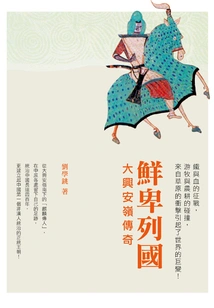
鲜卑列国:大兴安岭传奇
Liu Xuechao
The Xianbei people, who are spread all over China, accelerated the pace of ethnic integration under the Sinicization policy of Emperor Xiaowen of the Northern Wei Dynasty, managed the Western Regions, spread Buddhist ideas, and carved many giant Buddhas in the Dunhuang and Yungang Grottoes; the Fubing created in the Northern Zhou Dynasty system, laying the foundation for the prosperous times of the Sui and Tang Dynasties; Xianbei Li Daoyuan wrote "Shui Jing Zhu", Jia Sixie wrote the agricultural book "Qi Min Yao Shu", Yang Xianzhi truthfully recorded "Luoyang Jialan Ji", together with the popular "Mulan Poetry", etc.
The Xianbei people, who are spread all over China, accelerated the pace of ethnic integration under the Sinicization policy of Emperor Xiaowen of the Northern Wei Dynasty, managed the Western Regions, spread Buddhist ideas, and carved many giant Buddhas in the Dunhuang and Yungang Grottoes; the Fubing created in the Northern Zhou Dynasty system, laying the foundation for the prosperous times of the Sui and Tang Dynasties; Xianbei Li Daoyuan wrote "Shui Jing Zhu", Jia Sixie wrote the agricultural book "Qi Min Yao Shu", Yang Xianzhi truthfully recorded "Luoyang Jialan Ji", together with the popular "Mulan Poetry", etc.
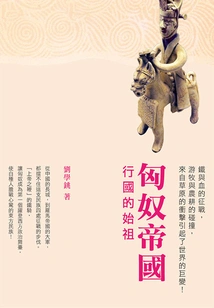
匈奴帝国:行国的始祖
Liu Xuechao
The battle of iron and blood, the collision of nomadism and farming, and the impact from the grassland have caused great changes in the world! From the Great Wall of China to the armies of the Roman Empire, nothing could stop this nation from conquering everywhere. The iron cavalry of "God's whip" made the Xiongnu the first oriental nation to leap onto the Western political stage and make white people tremble with fear! The nomadic people who moved around established many kingdoms in world history, and the Xiongnu can be said to be the "ancestor of the kingdoms." The Xiongnu's spirit of going south to herd horses allowed King Wuling of Zhao in the Warring States Period to initiate the "Hufu riding and shooting" reform, which transformed the Chinese army from infantry to the cavalry stage; the Xiongnu achieved the ambitious hegemony established by Emperor Wu of the Han Dynasty, and made Li Guang, Wei Qing, and Huo Qu Bing, Su Wu and other generals' unparalleled achievements; it was also the Xiongnu who prompted Zhang Qian to open the Silk Road, Wang Zhaojun to marry a foreign country, and Ban Chao to join the army to conquer the Far Western Region; it was also the Xiongnu who set off the prelude to the great national integration after the Wei, Jin, Southern and Northern Dynasties. In the early years of the Eastern Han Dynasty, the Huns split. The Southern Huns who gradually integrated into China destroyed the Western Jin Dynasty during the Yongjia Rebellion and began the era of the barbarian states; while the Northern Huns traveled to Central Asia after Dou Xian's "Yanran Leshi". Later, under the leadership of Attila, they drove away the Germans and created the prototype of today's Western Europe. To this day, they still have a mysterious and intriguing relationship with the Central European country Hungary.
The battle of iron and blood, the collision of nomadism and farming, and the impact from the grassland have caused great changes in the world! From the Great Wall of China to the armies of the Roman Empire, nothing could stop this nation from conquering everywhere. The iron cavalry of "God's whip" made the Xiongnu the first oriental nation to leap onto the Western political stage and make white people tremble with fear! The nomadic people who moved around established many kingdoms in world history, and the Xiongnu can be said to be the "ancestor of the kingdoms." The Xiongnu's spirit of going south to herd horses allowed King Wuling of Zhao in the Warring States Period to initiate the "Hufu riding and shooting" reform, which transformed the Chinese army from infantry to the cavalry stage; the Xiongnu achieved the ambitious hegemony established by Emperor Wu of the Han Dynasty, and made Li Guang, Wei Qing, and Huo Qu Bing, Su Wu and other generals' unparalleled achievements; it was also the Xiongnu who prompted Zhang Qian to open the Silk Road, Wang Zhaojun to marry a foreign country, and Ban Chao to join the army to conquer the Far Western Region; it was also the Xiongnu who set off the prelude to the great national integration after the Wei, Jin, Southern and Northern Dynasties. In the early years of the Eastern Han Dynasty, the Huns split. The Southern Huns who gradually integrated into China destroyed the Western Jin Dynasty during the Yongjia Rebellion and began the era of the barbarian states; while the Northern Huns traveled to Central Asia after Dou Xian's "Yanran Leshi". Later, under the leadership of Attila, they drove away the Germans and created the prototype of today's Western Europe. To this day, they still have a mysterious and intriguing relationship with the Central European country Hungary.
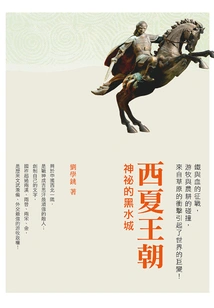
西夏王朝:神秘的黑水城
Liu Xuechao
The Xixia royal tombs are known as the Eastern Pyramids, and the mysterious Blackwater City holds coveted treasures; without its complete history in the "official history", is the Xixia Dynasty a "legend" or an "unattainable existence"? The Western Xia Dynasty, with the Dangxiang ethnic group as the main body, followed by the Liao Dynasty of the Khitans, the Northern Song Dynasty of the Han people, the Jin Dynasty of the Jurchen people, and the Southern Song Dynasty of the Han people, twice forming a situation of three kingdoms. The prosperity of Xixia fully demonstrates the strong resilience and adaptability of Party people. Xixia once created Xixia characters with special shapes. Many ethnic minorities have established political power in history, but most of them did not have their own national script, which shows the important status of Xixia script. In recent years, Buddhist scriptures translated from Xixia have been unearthed one after another. This study of the changes in Chinese phonetics is of high academic value. The Xixia Dynasty lasted for 190 years from the time when Yuan Hao officially proclaimed himself emperor in the fifth year of Jingyou, Renzong of the Northern Song Dynasty, to the 22nd year of Emperor Taizu of the Yuan Dynasty, which lasted for 190 years. It was considered a long-lived dynasty in Chinese history. If we count from the time when Tuoba Sigong, the ancestor of Yuan Hao, was awarded the envoys of Xia, Sui and Yinjie and the title of Dingnan Army for his contribution in pacifying Huangchao, it would have been a long-lasting regime for 346 years.
The Xixia royal tombs are known as the Eastern Pyramids, and the mysterious Blackwater City holds coveted treasures; without its complete history in the "official history", is the Xixia Dynasty a "legend" or an "unattainable existence"? The Western Xia Dynasty, with the Dangxiang ethnic group as the main body, followed by the Liao Dynasty of the Khitans, the Northern Song Dynasty of the Han people, the Jin Dynasty of the Jurchen people, and the Southern Song Dynasty of the Han people, twice forming a situation of three kingdoms. The prosperity of Xixia fully demonstrates the strong resilience and adaptability of Party people. Xixia once created Xixia characters with special shapes. Many ethnic minorities have established political power in history, but most of them did not have their own national script, which shows the important status of Xixia script. In recent years, Buddhist scriptures translated from Xixia have been unearthed one after another. This study of the changes in Chinese phonetics is of high academic value. The Xixia Dynasty lasted for 190 years from the time when Yuan Hao officially proclaimed himself emperor in the fifth year of Jingyou, Renzong of the Northern Song Dynasty, to the 22nd year of Emperor Taizu of the Yuan Dynasty, which lasted for 190 years. It was considered a long-lived dynasty in Chinese history. If we count from the time when Tuoba Sigong, the ancestor of Yuan Hao, was awarded the envoys of Xia, Sui and Yinjie and the title of Dingnan Army for his contribution in pacifying Huangchao, it would have been a long-lasting regime for 346 years.
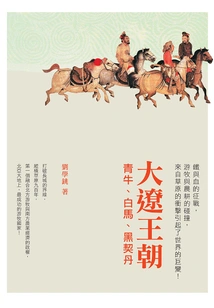
大辽王朝:青牛、白马、黑契丹
Liu Xuechao
His iron hoof once trampled on the Central Plains, and the Central Asian countries regard him as their co-leader. "Black Khitan" is a god, the name of a nation, and an immortal legend. Following the footsteps of ancient myths, the Khitan people believed that they had the sacred blood of the green bull and the white horse. They believed that they were destined to be leaders and to dominate the Central Plains. At the end of the Tang Dynasty, the Central Plains was severely segregated by vassal towns, and Chinese history entered the chaotic Five Dynasties and Ten Kingdoms period. The Khitan, a northern nation, took advantage of the situation and cleverly exploited the conflicts between vassals and towns to expand its power step by step. It destroyed the Bohai Kingdom in the northeast and established the "Liao" regime that stood firmly in the north, forcing Shi Jingtang to willingly cede territory and call himself father. After the founding of the Northern Song Dynasty, they still had headaches with this neighbor lying in the north. The loyal Yang family generals and the Song Zhenzong who personally led the army could not stop the powerful Khitan under the leadership of Queen Mother Xiao who was pressing hard. This nomadic nation, which almost caused the Northern Song Dynasty to lose its lofty ideals, was not only a fierce hero on horseback capable of conquering battles, but also became famous for its creation of unique writing. It also used a dual-track system to manage the complex ethnic groups within the territory, setting a template for future generations to learn from when dealing with ethnic minority affairs. After the rise of the Jurchens, the Liao Dynasty perished, but the "Kara Khitan" Yelu Dashi traveling westward made great achievements...
His iron hoof once trampled on the Central Plains, and the Central Asian countries regard him as their co-leader. "Black Khitan" is a god, the name of a nation, and an immortal legend. Following the footsteps of ancient myths, the Khitan people believed that they had the sacred blood of the green bull and the white horse. They believed that they were destined to be leaders and to dominate the Central Plains. At the end of the Tang Dynasty, the Central Plains was severely segregated by vassal towns, and Chinese history entered the chaotic Five Dynasties and Ten Kingdoms period. The Khitan, a northern nation, took advantage of the situation and cleverly exploited the conflicts between vassals and towns to expand its power step by step. It destroyed the Bohai Kingdom in the northeast and established the "Liao" regime that stood firmly in the north, forcing Shi Jingtang to willingly cede territory and call himself father. After the founding of the Northern Song Dynasty, they still had headaches with this neighbor lying in the north. The loyal Yang family generals and the Song Zhenzong who personally led the army could not stop the powerful Khitan under the leadership of Queen Mother Xiao who was pressing hard. This nomadic nation, which almost caused the Northern Song Dynasty to lose its lofty ideals, was not only a fierce hero on horseback capable of conquering battles, but also became famous for its creation of unique writing. It also used a dual-track system to manage the complex ethnic groups within the territory, setting a template for future generations to learn from when dealing with ethnic minority affairs. After the rise of the Jurchens, the Liao Dynasty perished, but the "Kara Khitan" Yelu Dashi traveling westward made great achievements...