Library
Browse and search books
1 novel found
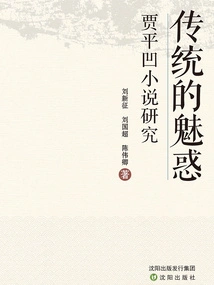
传统的魅惑:贾平凹小说研究
Liu Xinzheng Liu Guochao Chen Weiqing
This manuscript is a specialized research work on Jia Pingwa's literature. It mainly explores the connection between Jia Pingwa's creation and traditional Chinese culture from the following aspects: First, it explores the reflection of the traditional Confucian culture's active participation in the world in his creation, caring about the national economy and people's livelihood, and being full of worries. Second, the content of Jia Pingwa's works often contains ideological connotations such as compassion, optimism, and detachment. The ethereal and quiet aesthetic taste reveals the influence of Buddhist and Taoist thoughts. The third is to study the combination of realism and image construction, the dependence of virtuality and reality, and the inheritance of the artistic technique of using reality to depict virtuality. The fourth is to explore the reference and inheritance of the narrative art and stylistic aesthetics of his novels from ancient notes, legends, storybooks, and novels of the Ming and Qing Dynasties. The fifth is to explore the traditional origins of language art in his works. His language has gone from being fresh and beautiful in the early days to being quaint and concise, then to imitating the language of Ming and Qing novels starting from "The Wasted Capital", and then to pursuing the style of the Han Dynasty in the "With Lamp" period, always paying attention to exploring the expressive charm of ancient literary language, and pursuing new Chinese writing between tradition and modernity."
This manuscript is a specialized research work on Jia Pingwa's literature. It mainly explores the connection between Jia Pingwa's creation and traditional Chinese culture from the following aspects: First, it explores the reflection of the traditional Confucian culture's active participation in the world in his creation, caring about the national economy and people's livelihood, and being full of worries. Second, the content of Jia Pingwa's works often contains ideological connotations such as compassion, optimism, and detachment. The ethereal and quiet aesthetic taste reveals the influence of Buddhist and Taoist thoughts. The third is to study the combination of realism and image construction, the dependence of virtuality and reality, and the inheritance of the artistic technique of using reality to depict virtuality. The fourth is to explore the reference and inheritance of the narrative art and stylistic aesthetics of his novels from ancient notes, legends, storybooks, and novels of the Ming and Qing Dynasties. The fifth is to explore the traditional origins of language art in his works. His language has gone from being fresh and beautiful in the early days to being quaint and concise, then to imitating the language of Ming and Qing novels starting from "The Wasted Capital", and then to pursuing the style of the Han Dynasty in the "With Lamp" period, always paying attention to exploring the expressive charm of ancient literary language, and pursuing new Chinese writing between tradition and modernity."