Library
Browse and search books
3 novels found

Mr. Lu is Not a Strict Wife
Modern Romance陆先生不是妻管严
Liu Xiaomeng
She went on a blind date and was entrusted by someone; he went to a cocktail party and was plotted by someone; when we met again, he said, you must be responsible for me!
She went on a blind date and was entrusted by someone; he went to a cocktail party and was plotted by someone; when we met again, he said, you must be responsible for me!
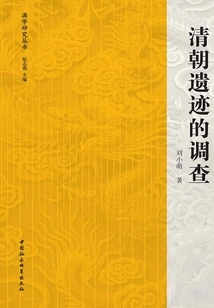
清朝遗迹的调查
Liu Xiaomeng
The author has been engaged in research on Qing history and Manchu history for a long time, and has always attached great importance to the combination of documentary research and field investigation. In the twenty years from 2001 to 2019, he conducted more than 80 investigations of historical sites of the Qing Dynasty. This book contains 15 investigation reports, which are the first batch of results. The content includes the Eight Banner garrison relics in various places, the present and past of the local Manchus, the historical sites of the "San Francisco", the border ethnic culture, as well as the inspection of battlefields, passes, government offices, guild halls, temples, ancient towns, and inns. The report pays attention to collecting information such as inscriptions, historical records, family trees, photos and oral materials, and attaches great importance to recording the historical memories and expressions of ethnic identity and ethnic relations of the interviewees. It aims to advance relevant research while providing a new window for understanding the history, nation, region, and culture of the Qing Dynasty.
The author has been engaged in research on Qing history and Manchu history for a long time, and has always attached great importance to the combination of documentary research and field investigation. In the twenty years from 2001 to 2019, he conducted more than 80 investigations of historical sites of the Qing Dynasty. This book contains 15 investigation reports, which are the first batch of results. The content includes the Eight Banner garrison relics in various places, the present and past of the local Manchus, the historical sites of the "San Francisco", the border ethnic culture, as well as the inspection of battlefields, passes, government offices, guild halls, temples, ancient towns, and inns. The report pays attention to collecting information such as inscriptions, historical records, family trees, photos and oral materials, and attaches great importance to recording the historical memories and expressions of ethnic identity and ethnic relations of the interviewees. It aims to advance relevant research while providing a new window for understanding the history, nation, region, and culture of the Qing Dynasty.
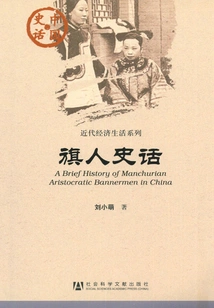
Banner People's History
History旗人史话
Liu Xiaomeng
There was a saying in Beijing in the old days: "We don't distinguish between Manchus and Han people, but we ask the banner people." In the Qing Dynasty, banner people and common people were the basic divisions between social members. Minren are people who belong to the provinces, prefectures and counties, while bannermen are people who are incorporated into the Eight Banners organization. Banner people are also called "people under banners" and "those under banners." They are different from the common people in terms of administrative affiliation, political status, rights and obligations, economic resources, lifestyle, and even cultural customs, and they became a very unique group in Qing Dynasty society. This book captures these characteristics of the banner people, and selects several aspects about the banner people's culture, political life, etc., And describes them in more detail, aiming to show readers the general outline of the rise and fall of the banner people's honor and disgrace in the Qing Dynasty.
There was a saying in Beijing in the old days: "We don't distinguish between Manchus and Han people, but we ask the banner people." In the Qing Dynasty, banner people and common people were the basic divisions between social members. Minren are people who belong to the provinces, prefectures and counties, while bannermen are people who are incorporated into the Eight Banners organization. Banner people are also called "people under banners" and "those under banners." They are different from the common people in terms of administrative affiliation, political status, rights and obligations, economic resources, lifestyle, and even cultural customs, and they became a very unique group in Qing Dynasty society. This book captures these characteristics of the banner people, and selects several aspects about the banner people's culture, political life, etc., And describes them in more detail, aiming to show readers the general outline of the rise and fall of the banner people's honor and disgrace in the Qing Dynasty.