Library
Browse and search books
9 novels found
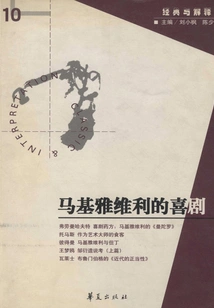
马基雅维利的喜剧(“经典与解释”第10期)
Liu Xiaofeng Chen Shaoming
Machiavelli was an Italian Renaissance political thinker, historian, and playwright. One of the founders of historical philosophy and the founder of modern Western political science. What makes Machiavelli extraordinary is that he is both a talented playwright and an outstanding thinker. Serious readers who are amused by his works will definitely ask: How are these comedies related to his political writings? This book analyzes and studies Machiavelli's literary works. What makes Machiavelli extraordinary is that he is both a talented playwright and an outstanding thinker. Serious readers who are amused by his works will definitely ask: How are these comedies related to his political writings?
Machiavelli was an Italian Renaissance political thinker, historian, and playwright. One of the founders of historical philosophy and the founder of modern Western political science. What makes Machiavelli extraordinary is that he is both a talented playwright and an outstanding thinker. Serious readers who are amused by his works will definitely ask: How are these comedies related to his political writings? This book analyzes and studies Machiavelli's literary works. What makes Machiavelli extraordinary is that he is both a talented playwright and an outstanding thinker. Serious readers who are amused by his works will definitely ask: How are these comedies related to his political writings?
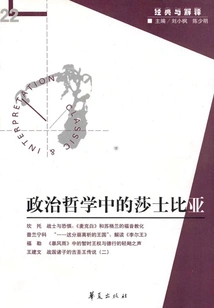
政治哲学中的莎士比亚(“经典与解释”第22期)
Liu Xiaofeng Chen Shaoming
Theme of this issue: Shakespeare in political philosophy. Shakespeare serves as an educational resource, providing essential lessons concerning human virtue and the earnest desire for a noble life. But it is not enough to possess his works; those works must be read and interpreted appropriately. Shakespeare presents the fate of tyrants, the qualities of a good ruler, the relationship between friends, the responsibilities of citizens, etc. Most vividly and extensively. People see a richer and more colorful world through Shakespeare's eyes. One focus of the articles in this collection is the role of political philosophy in Shakespeare criticism. For example: What does Shakespeare think of good government and good rulers? What kind of king will Hamlet become? Is the tragedy of "Macbeth" based on the tension between heroic warrior ethics and gospel law? Perhaps if Macbeth could find a way to turn his hope for a kingdom of heaven on earth into a political project, into what we call an ideology, Macbeth might become the prototype of the modern tyrant. And can "The Tempest" be regarded as Shakespeare's best effort to give a certain philosophical expression to an idea - an idea hidden in his teachings on moral and political life?
Theme of this issue: Shakespeare in political philosophy. Shakespeare serves as an educational resource, providing essential lessons concerning human virtue and the earnest desire for a noble life. But it is not enough to possess his works; those works must be read and interpreted appropriately. Shakespeare presents the fate of tyrants, the qualities of a good ruler, the relationship between friends, the responsibilities of citizens, etc. Most vividly and extensively. People see a richer and more colorful world through Shakespeare's eyes. One focus of the articles in this collection is the role of political philosophy in Shakespeare criticism. For example: What does Shakespeare think of good government and good rulers? What kind of king will Hamlet become? Is the tragedy of "Macbeth" based on the tension between heroic warrior ethics and gospel law? Perhaps if Macbeth could find a way to turn his hope for a kingdom of heaven on earth into a political project, into what we call an ideology, Macbeth might become the prototype of the modern tyrant. And can "The Tempest" be regarded as Shakespeare's best effort to give a certain philosophical expression to an idea - an idea hidden in his teachings on moral and political life?
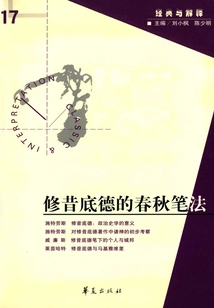
修昔底德的春秋笔法(“经典与解释”第17期)
Liu Xiaofeng Chen Shaoming
Thucydides (ca. 471-Ca. 400), Ancient Greek historian. The treatises included in this book provide in-depth explanations and discussions on the historical significance of Thucydides' works, the gods in his works, and his writing style.
Thucydides (ca. 471-Ca. 400), Ancient Greek historian. The treatises included in this book provide in-depth explanations and discussions on the historical significance of Thucydides' works, the gods in his works, and his writing style.
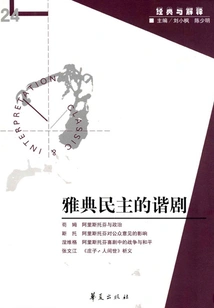
雅典民主的谐剧(“经典与解释”第24期)
Liu Xiaofeng Chen Shaoming
Aristophanes was an outstanding dramatist in ancient Greece and is known as the "Father of Comedy". His works touched on all major political and social issues at that time, reflecting the social life during the crisis period of Athens' slave-owning democracy. It is precisely because Aristophanes' works are closely related to the social reality of the time that for thousands of years, many scholars have regarded him not as an artist, but as a politician and social dramatist. The articles by Goum, Stowe, and Nievig included in this volume, from an objective perspective, start from the script analysis, and sort out the relationship between Aristophanes' works and the social and political realities of the time, which is quite valuable.
Aristophanes was an outstanding dramatist in ancient Greece and is known as the "Father of Comedy". His works touched on all major political and social issues at that time, reflecting the social life during the crisis period of Athens' slave-owning democracy. It is precisely because Aristophanes' works are closely related to the social reality of the time that for thousands of years, many scholars have regarded him not as an artist, but as a politician and social dramatist. The articles by Goum, Stowe, and Nievig included in this volume, from an objective perspective, start from the script analysis, and sort out the relationship between Aristophanes' works and the social and political realities of the time, which is quite valuable.
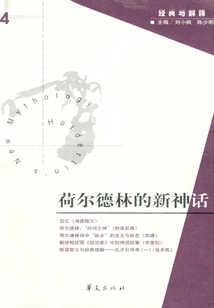
荷尔德林的新神话(“经典与解释”第4期)
Liu Xiaofeng Chen Shaoming
Regardless of the memories of travelers or lovers, the original nature of memories has become clear for the first time. Memory is actually about fixing something, that is, focusing on something solid. But the word "soul" still contains another kind of comfort. When the day comes that we no longer think about people from an anthropological point of view, we will hear this call for comfort again. The mind is the source and place of this thing, its structure and voice, which throws us into intimacy that takes on various forms, such as calmness and poverty, gentleness and nobility, grace and selflessness, tolerance and forbearance.
Regardless of the memories of travelers or lovers, the original nature of memories has become clear for the first time. Memory is actually about fixing something, that is, focusing on something solid. But the word "soul" still contains another kind of comfort. When the day comes that we no longer think about people from an anthropological point of view, we will hear this call for comfort again. The mind is the source and place of this thing, its structure and voice, which throws us into intimacy that takes on various forms, such as calmness and poverty, gentleness and nobility, grace and selflessness, tolerance and forbearance.
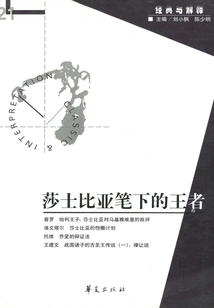
莎士比亚笔下的王者(“经典与解释”第21期)
Liu Xiaofeng Chen Shaoming
The period in English history in which Shakespeare wrote is indicative of his interests. From 1399 when Richard II exiled the quarreling Earls of Hereford and Maubury to 1485 when Earl of Richmond defeated Richard III at the Battle of Fortsworth and established the Tudor dynasty as Henry VII, there was a long period of dynasty change. These dynastic changes were written by Shakespeare into his so-called two sets of tetralogy. The first tetralogy includes "Richard II", "Henry IV" (Part 1 and 2) and "Henry V". The second tetralogy includes "Henry VI" (Parts 1, 2 and 2) and "Richard III". These eight plays illustrate England's bloodiest century: the Civil War years.
The period in English history in which Shakespeare wrote is indicative of his interests. From 1399 when Richard II exiled the quarreling Earls of Hereford and Maubury to 1485 when Earl of Richmond defeated Richard III at the Battle of Fortsworth and established the Tudor dynasty as Henry VII, there was a long period of dynasty change. These dynastic changes were written by Shakespeare into his so-called two sets of tetralogy. The first tetralogy includes "Richard II", "Henry IV" (Part 1 and 2) and "Henry V". The second tetralogy includes "Henry VI" (Parts 1, 2 and 2) and "Richard III". These eight plays illustrate England's bloodiest century: the Civil War years.
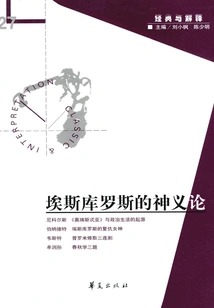
埃斯库罗斯的神义论(“经典与解释”第27期)
Liu Xiaofeng Chen Shaoming
Aeschylus, an ancient Greek tragic poet, is known as the greatest tragedian writer in ancient Greece along with Sophocles and Euripides, and is known as the father of tragedy. This volume focuses on Aeschylus's three plays, "The Oresteia" and "Prometheus Bound." "The Oresteia" is both a poetic and a political event. It tells how a community gradually gathers its gaze to witness the completion of justice. At the same time, this series attempts to reconstruct a new and more pure image of the father of tragedy by analyzing the "Prometheus Bound" trilogy.
Aeschylus, an ancient Greek tragic poet, is known as the greatest tragedian writer in ancient Greece along with Sophocles and Euripides, and is known as the father of tragedy. This volume focuses on Aeschylus's three plays, "The Oresteia" and "Prometheus Bound." "The Oresteia" is both a poetic and a political event. It tells how a community gradually gathers its gaze to witness the completion of justice. At the same time, this series attempts to reconstruct a new and more pure image of the father of tragedy by analyzing the "Prometheus Bound" trilogy.
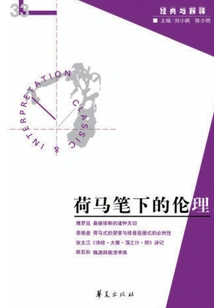
荷马笔下的伦理(“经典与解释”第33期)
Liu Xiaofeng Chen Shaoming
This collection is titled "Ethics in Homer's Writings". It contains many articles that reveal three-dimensional moral portraits of characters (such as Odysseus). In view of the traditional organic unity of Homer criticism, it takes a new approach and discovers the juxtaposition characteristics of Homer's epics, highlighting the colloquial characteristics of Homer's poetry and the influence of the audience on poetry creation and ethics; the other two articles pay special attention to the approach of etymological analysis. These articles have played a role in re-clarifying the foundation of the old issue of Homer research.
This collection is titled "Ethics in Homer's Writings". It contains many articles that reveal three-dimensional moral portraits of characters (such as Odysseus). In view of the traditional organic unity of Homer criticism, it takes a new approach and discovers the juxtaposition characteristics of Homer's epics, highlighting the colloquial characteristics of Homer's poetry and the influence of the audience on poetry creation and ethics; the other two articles pay special attention to the approach of etymological analysis. These articles have played a role in re-clarifying the foundation of the old issue of Homer research.
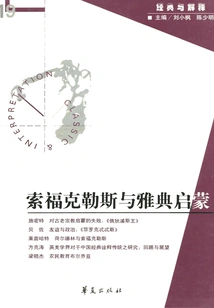
索福克勒斯与雅典启蒙(“经典与解释”第19期)
Liu Xiaofeng Chen Shaoming
This book mainly discusses the impact of Sophocles' works on the society, culture and politics of Athens at that time. Sophocles, one of the three greatest tragedians in ancient Greece, wrote more than 120 plays in his lifetime.
This book mainly discusses the impact of Sophocles' works on the society, culture and politics of Athens at that time. Sophocles, one of the three greatest tragedians in ancient Greece, wrote more than 120 plays in his lifetime.