Library
Browse and search books
3 novels found

I am Liu Xiaodong
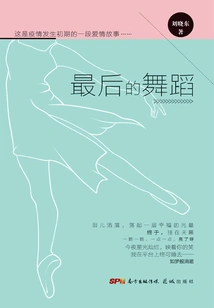
Last Dance
General Fiction最后的舞蹈
Liu Xiaodong
This is a love novel. The novel tells the story of Lan Feng and Xiao Yong, a pair of lovers who were unfortunately infected with the virus and fought against the disease and cherished their lives. It is a love story in the early stages of the epidemic. The whole novel captures the focus of reality. Everywhere the brushstrokes are made, the context is clear, thick and thin. Many details present the characters' fight against disease, cherishing life, and the warmth and encouragement between people. It is gripping and tear-jerking. It is a realistic work that can give readers beautiful and upward power.
This is a love novel. The novel tells the story of Lan Feng and Xiao Yong, a pair of lovers who were unfortunately infected with the virus and fought against the disease and cherished their lives. It is a love story in the early stages of the epidemic. The whole novel captures the focus of reality. Everywhere the brushstrokes are made, the context is clear, thick and thin. Many details present the characters' fight against disease, cherishing life, and the warmth and encouragement between people. It is gripping and tear-jerking. It is a realistic work that can give readers beautiful and upward power.
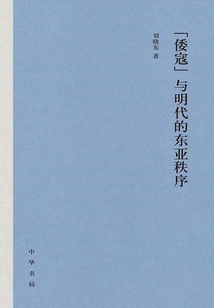
“倭寇”与明代的东亚秩序
Liu Xiaodong
Mainly from the perspective of East Asian regional society, this book draws on previous research results, and through comparison and identification of relevant historical materials from China, Japan, and South Korea, attempts to more objectively restore the ins and outs of the "Japanese pirates" issue around the 16th century, and its potential impact on the East Asian regional order in modern times. It further expands the research field of the "Japanese pirates" issue, and puts forward the Wanli turning theory of the Ming-Japanese relationship.
Mainly from the perspective of East Asian regional society, this book draws on previous research results, and through comparison and identification of relevant historical materials from China, Japan, and South Korea, attempts to more objectively restore the ins and outs of the "Japanese pirates" issue around the 16th century, and its potential impact on the East Asian regional order in modern times. It further expands the research field of the "Japanese pirates" issue, and puts forward the Wanli turning theory of the Ming-Japanese relationship.