Library
Browse and search books
1 novel found
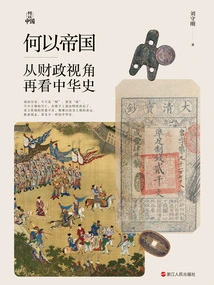
Why the Empire: Looking at the History of China from a Financial Perspective (why the China Series)
History何以帝国:从财政视角再看中华史(何以中国丛书)
Liu Shougang
Uncover the hidden financial logic behind three thousand years of Chinese history. The history of money is not only "finance", but also "politics". The demise of many dynasties was fundamentally determined by finances. The fate of the dynasty could not be changed even by the wise and foolish emperors and generals. Follow the money and see a different Chinese history. In any time and space, the game of wealth can tear a hole in history. From this section, readers can see the competition between forces of all parties and understand the true driving force for the forward development of history. For the Chinese Empire, the history of money is not only "finance", but also "politics". This book has a total of thirty chapters, starting from the early taxation in the pre-Qin Dynasty to the tax branch in the late Qing Dynasty. By answering historical questions one by one, it uses financial clues to reorganize the growth process of ancient China and explains many historical phenomena from the perspective of money. Each lecture in the book revolves around three clues: the changing trajectories of the three elements of the fiscal system, revenue, expenditure, and management, in historical time and space; looking at the continuous growth of the Chinese country from the perspective of changes in the fiscal system; and the historical process of the coercive power in the fiscal field gradually realizing publicization from the private power of the monarch. Follow the money and see a different Chinese history.
Uncover the hidden financial logic behind three thousand years of Chinese history. The history of money is not only "finance", but also "politics". The demise of many dynasties was fundamentally determined by finances. The fate of the dynasty could not be changed even by the wise and foolish emperors and generals. Follow the money and see a different Chinese history. In any time and space, the game of wealth can tear a hole in history. From this section, readers can see the competition between forces of all parties and understand the true driving force for the forward development of history. For the Chinese Empire, the history of money is not only "finance", but also "politics". This book has a total of thirty chapters, starting from the early taxation in the pre-Qin Dynasty to the tax branch in the late Qing Dynasty. By answering historical questions one by one, it uses financial clues to reorganize the growth process of ancient China and explains many historical phenomena from the perspective of money. Each lecture in the book revolves around three clues: the changing trajectories of the three elements of the fiscal system, revenue, expenditure, and management, in historical time and space; looking at the continuous growth of the Chinese country from the perspective of changes in the fiscal system; and the historical process of the coercive power in the fiscal field gradually realizing publicization from the private power of the monarch. Follow the money and see a different Chinese history.