Library
Browse and search books
1 novel found
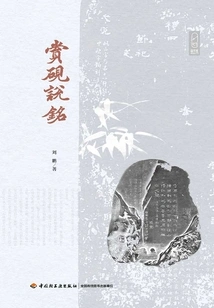
赏砚说铭
Liu Peng
The book is divided into six chapters. From the origin, content, and stylistic characteristics of inscriptions, inscriptions on different carriers such as bells, tripods, mirrors, and stele are introduced to explain the concepts and formal characteristics of inscriptions in different historical periods of the Pre-Qin and Han Dynasties, as well as their influence on later generations. In this context, the origin of inkstone inscriptions is explored based on ancient documents, literary works and archaeological excavations. Focusing on the performance content, influence of calligraphy and painting, and craft characteristics of ancient inkstone inscriptions, it details the inkstone inscription orientation and artistic characteristics of different classes of inkstone inscribers. The chapters involved highlight the classic works of literati inscriptions, taking into account the work of craftsmen, and analyze them from the aspects of calligraphy, painting, seal cutting, literature, history, etc. It is hoped that through a large number of appreciation examples and a comprehensive analysis perspective, the author's understanding of traditional inkstones will be presented.
The book is divided into six chapters. From the origin, content, and stylistic characteristics of inscriptions, inscriptions on different carriers such as bells, tripods, mirrors, and stele are introduced to explain the concepts and formal characteristics of inscriptions in different historical periods of the Pre-Qin and Han Dynasties, as well as their influence on later generations. In this context, the origin of inkstone inscriptions is explored based on ancient documents, literary works and archaeological excavations. Focusing on the performance content, influence of calligraphy and painting, and craft characteristics of ancient inkstone inscriptions, it details the inkstone inscription orientation and artistic characteristics of different classes of inkstone inscribers. The chapters involved highlight the classic works of literati inscriptions, taking into account the work of craftsmen, and analyze them from the aspects of calligraphy, painting, seal cutting, literature, history, etc. It is hoped that through a large number of appreciation examples and a comprehensive analysis perspective, the author's understanding of traditional inkstones will be presented.