Library
Browse and search books
1 novel found
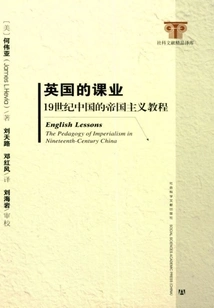
英国的课业:19世纪中国的帝国主义教程
Liu Haiyan (usa) James L. Hevia
This book is one of the series compiled by the National Qing History Compilation Committee. The author, He Weiya, is the director of the Center for International Studies at the University of Chicago. He has published various monographs and papers on the history of my country's Qing Dynasty. This book "British Lessons" embeds China in the history of colonialism in the 19th century, pointing out that imperialism and colonialism are not just guns, commodities and various acts of aggression, but also a cultural process, a "hegemonic project" that needs to be voluntarily accepted by the conquered people. In order to achieve this goal, imperialism used force and political oppression in the 19th century to "discipline" the Qing government and the Chinese people. "Educate" them on how to regulate their behavior in a world dominated by imperialism. In this work, the author uses the theories and methods of postcolonial studies to give a new interpretation of modern Western relations with China from the Opium War to the Boxer Uprising, turning it from a well-known history into a new and novel history.
This book is one of the series compiled by the National Qing History Compilation Committee. The author, He Weiya, is the director of the Center for International Studies at the University of Chicago. He has published various monographs and papers on the history of my country's Qing Dynasty. This book "British Lessons" embeds China in the history of colonialism in the 19th century, pointing out that imperialism and colonialism are not just guns, commodities and various acts of aggression, but also a cultural process, a "hegemonic project" that needs to be voluntarily accepted by the conquered people. In order to achieve this goal, imperialism used force and political oppression in the 19th century to "discipline" the Qing government and the Chinese people. "Educate" them on how to regulate their behavior in a world dominated by imperialism. In this work, the author uses the theories and methods of postcolonial studies to give a new interpretation of modern Western relations with China from the Opium War to the Boxer Uprising, turning it from a well-known history into a new and novel history.