Library
Browse and search books
1 novel found
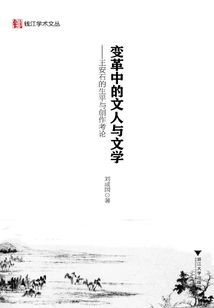
变革中的文人与文学:王安石的生平与创作考论
Liu Chengguo
It is generally believed that "Jinggong style" refers to Wang Anshi's later poetry style. Its poetry carrier is mainly based on quatrains, and its artistic style is both tragic and leisurely, elegant and exquisite, free from vulgarity, refined and refined, etc. In recent years, some scholars have also traced the reasons for the formation of "Jing Gong style" from aspects such as Wang Anshi's poetic development, political career, mentality in his later years, ideological changes, etc. Some popular literary history books have also accepted their assertions. For example, "History of Chinese Literature" in the "Course for the 21st Century" series, Volume 3, Chapter 3, Section 4, "Wang Anshi's Poems" says: "The most representative works of Wang Anshi's poems in the later period are the lyrical quatrains describing scenes. It was these poems that made Wang Anshi famous in the poetry world at that time.
It is generally believed that "Jinggong style" refers to Wang Anshi's later poetry style. Its poetry carrier is mainly based on quatrains, and its artistic style is both tragic and leisurely, elegant and exquisite, free from vulgarity, refined and refined, etc. In recent years, some scholars have also traced the reasons for the formation of "Jing Gong style" from aspects such as Wang Anshi's poetic development, political career, mentality in his later years, ideological changes, etc. Some popular literary history books have also accepted their assertions. For example, "History of Chinese Literature" in the "Course for the 21st Century" series, Volume 3, Chapter 3, Section 4, "Wang Anshi's Poems" says: "The most representative works of Wang Anshi's poems in the later period are the lyrical quatrains describing scenes. It was these poems that made Wang Anshi famous in the poetry world at that time.