Library
Browse and search books
1 novel found
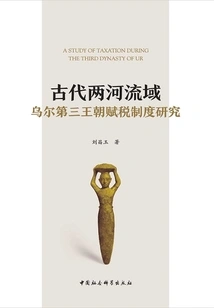
Research on the Taxation System of the Third Dynasty of Ur in the Mesopotamia in Ancient Times
History古代两河流域乌尔第三王朝赋税制度研究
Liu Changyu
Taxation is an important pillar of national finance, and the operation of the state machine of the ancient Mesopotamia civilization is also inseparable from taxation. The ancient Mesopotamian civilization (approximately 3200 BC - 330 BC) is one of the earliest civilizations in human history. During its historical development that lasted for three thousand years, it went through several periods and dynasties. The tax system of the Third Dynasty of Ur (2112 BC - 2004 BC) The research is of great theoretical significance for us to understand and understand the political system, economic system, military and diplomatic system of the ancient Mesopotamia, and even the historical development of ancient West Asian civilization. It also has certain practical significance for the tax system reform carried out in our country today. This book is divided into seven chapters. The first chapter introduces the general situation of the Third Dynasty of Ur. Chapter 2 discusses the bala tax in core provinces. Chapter 3 analyzes the gun2ma-da tax in peripheral provinces. Chapter 4 studies the gun2 tax of dependent countries. Chapter 5 studies the royal ma2-da-ri-a tax. Chapter 6 discusses temple tithes (zag-u). Chapter 7 explores the close relationship between tax reform and the governance of the Third Dynasty of Ur, and analyzes the development and decline of the politics, economy and civilization of the Third Dynasty of Ur through the tax reform measures carried out during the reigns of the three kings Shulgi, Amalsin and Shusin. In the conclusion part, we summarize and summarize the characteristics and historical significance of the tax system of the Third Dynasty of Ur, as well as the relationship between the tax system and the political, economic and cultural development of the Third Dynasty of Ur.
Taxation is an important pillar of national finance, and the operation of the state machine of the ancient Mesopotamia civilization is also inseparable from taxation. The ancient Mesopotamian civilization (approximately 3200 BC - 330 BC) is one of the earliest civilizations in human history. During its historical development that lasted for three thousand years, it went through several periods and dynasties. The tax system of the Third Dynasty of Ur (2112 BC - 2004 BC) The research is of great theoretical significance for us to understand and understand the political system, economic system, military and diplomatic system of the ancient Mesopotamia, and even the historical development of ancient West Asian civilization. It also has certain practical significance for the tax system reform carried out in our country today. This book is divided into seven chapters. The first chapter introduces the general situation of the Third Dynasty of Ur. Chapter 2 discusses the bala tax in core provinces. Chapter 3 analyzes the gun2ma-da tax in peripheral provinces. Chapter 4 studies the gun2 tax of dependent countries. Chapter 5 studies the royal ma2-da-ri-a tax. Chapter 6 discusses temple tithes (zag-u). Chapter 7 explores the close relationship between tax reform and the governance of the Third Dynasty of Ur, and analyzes the development and decline of the politics, economy and civilization of the Third Dynasty of Ur through the tax reform measures carried out during the reigns of the three kings Shulgi, Amalsin and Shusin. In the conclusion part, we summarize and summarize the characteristics and historical significance of the tax system of the Third Dynasty of Ur, as well as the relationship between the tax system and the political, economic and cultural development of the Third Dynasty of Ur.